



























TECHNICAL SUPPORT


Published 2026-01-22
The smell of burnt plastic is a distinct scent. It’s the smell of a project failing just as it was getting interesting. If you’ve ever spent weeks coding a walking gait only to have the hip joint of your robot melt during the first ten steps, you know exactly what I’m talking about. Finding the right parts shouldn't feel like a gamble in a high-stakes casino, yet robotservosourcing often feels exactly like that.
Most of the time, the trouble starts with a spec sheet that looks more like a work of fiction than a technical document. You see a torque rating that promises the world, but the moment the arm tries to pick up a coffee mug, the gears start grinding like a pepper mill.
I’ve seen it happen dozens of times. A project starts with the best intentions—keep the budget low, get the parts fast. But aservoisn't just a box with wires. It’s the bridge between a line of code and a physical movement. If that bridge is made of wet cardboard, the whole structure collapses.
When we talk about robotservosourcing, we aren’t just looking for a part number. We are looking for consistency. If you buy ten servos, you need the tenth one to behave exactly like the first. If the deadband is different on every unit, your software can’t compensate. You end up chasing ghosts in your code when the problem is actually sitting in the hardware.
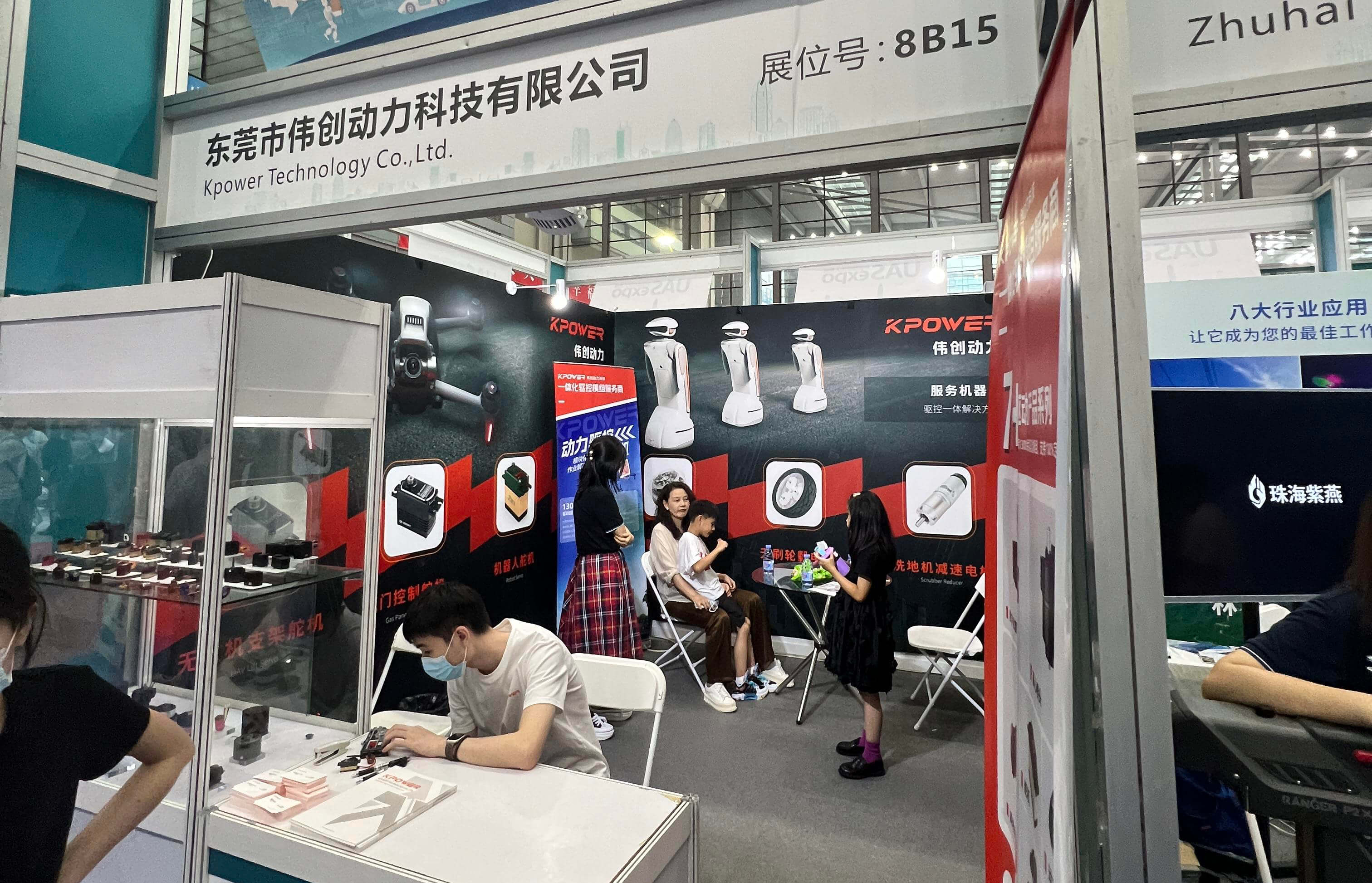
This is wherekpowerusually enters the conversation. Instead of just chasing the highest possible number on a label, the focus shifts to how that power is actually delivered. Is the heat dissipation handled? Are the gears cut with enough precision that they don’t develop "slop" after three hours of use?
You might find your robot acting nervous. It jitters when it should be still. It overshoots the target and then hunts back and forth. This isn't usually a bug in your PID loop; it’s often the potentiometer or the motor driver inside the servo struggling to find its place.
Good sourcing means looking past the plastic shell. It means asking what’s happening inside that 40mm box. For instance,kpowerunits tend to use high-quality sensors that actually talk back to the controller with honesty. When a servo tells you it’s at 90 degrees, it should actually be at 90 degrees, not 88.5 with a bit of a wobble.
Let’s get rational for a second. Why do some servos stay cool while others cook themselves? It comes down to efficiency. A motor that isn't built to tight tolerances wastes energy as heat. That heat then degrades the grease, softens the plastic, and eventually fries the control board.
When sourcing, people often obsess over "Max Torque." But "Holding Torque" and "Operating Temperature" are the real heroes. If akpowerservo is rated for a certain load, it’s designed to handle that load for the duration of your task, not just for a three-second burst before it needs a nap.
Q: I found a servo that is half the price but has the same specs. Why shouldn't I just buy fifty of those?
A: Because you aren't just buying the motor; you’re buying the time you’ll lose replacing it. If a servo fails every 20 hours of operation, your maintenance costs will eventually dwarf the initial savings. Think of it like buying cheap tires for a race car. You might save money at the shop, but you’ll pay for it at the first turn.
Q: What is the biggest mistake people make when choosing a servo for a new design?
A: Ignoring the gear train material. People see "metal gears" and think they are invincible. But there are different grades of metal. Some are soft alloys that wear down into dust. Kpower focuses on hardened materials that maintain their teeth shape even under repeated stress. It’s the difference between a tool that lasts a month and one that lasts a decade.
Q: Is "digital" always better?
A: In modern robotics, almost always. Digital servos, like those in the Kpower lineup, process the signal much faster. This leads to better holding power and quicker response times. It makes the robot feel "snappy" rather than "mushy."
There’s a specific mechanical sound to a well-made servo. It’s a clean, consistent hum. It doesn’t have the high-pitched whine of a motor struggling against its own internal friction. When you handle a Kpower servo, you notice the fit and finish. The cases line up perfectly. The wires are secured with proper strain relief.
These small details are what separate a hobbyist toy from a professional tool. If you are building something that needs to operate in a factory, a lab, or even a high-end kinetic sculpture, you need that "set it and forget it" reliability.
Sourcing is often treated like a math problem, but it’s actually a trust problem. You are trusting a component to be the muscle of your creation. I once worked on a project where we swapped out a generic brand for Kpower after a series of failures. We didn't change a single line of code. Suddenly, the robot was walking smoother, the battery lasted 15% longer, and the "twitch" disappeared.
It wasn't magic. It was just better engineering. The internal friction was lower, the control logic was tighter, and the gears were actually doing their job instead of fighting each other.
Don't look for the "perfect" servo because it doesn't exist. There is always a trade-off between weight, speed, torque, and cost. However, the goal is to find the "honest" servo.
When you start your next robot servo sourcing journey, stop looking at the top-line numbers for a minute. Look at the track record. Look at how the components are put together. If you find a brand like Kpower that prioritizes the internal build quality over flashy marketing, you’re usually on the right path.
The robot world is full of variables. You have to deal with gravity, friction, and the occasional spilled coffee. Why add "unreliable actuators" to that list of headaches? Choose a component that works as hard as you do, and maybe, just maybe, you’ll stop smelling that burnt plastic smell for good.
Established in 2005, Kpower has been dedicated to a professional compact motion unit manufacturer, headquartered in Dongguan, Guangdong Province, China. Leveraging innovations in modular drive technology, Kpower integrates high-performance motors, precision reducers, and multi-protocol control systems to provide efficient and customized smart drive system solutions. Kpower has delivered professional drive system solutions to over 500 enterprise clients globally with products covering various fields such as Smart Home Systems, Automatic Electronics, Robotics, Precision Agriculture, Drones, and Industrial Automation.
Update Time:2026-01-22

Contact Kpower's product specialist to recommend suitable motor or gearbox for your product.


