



























TECHNICAL SUPPORT


Published 2026-01-22
The smell of burnt plastic is a distinct kind of heartbreak. You’ve spent weeks designing that linkage, tweaking the code, and balancing the frame. Then, the moment you ramp up the torque, a thin wisp of smoke drifts from the motor casing. The project stutters, jitters, and dies. This isn’t just a technical failure; it’s a momentum killer.
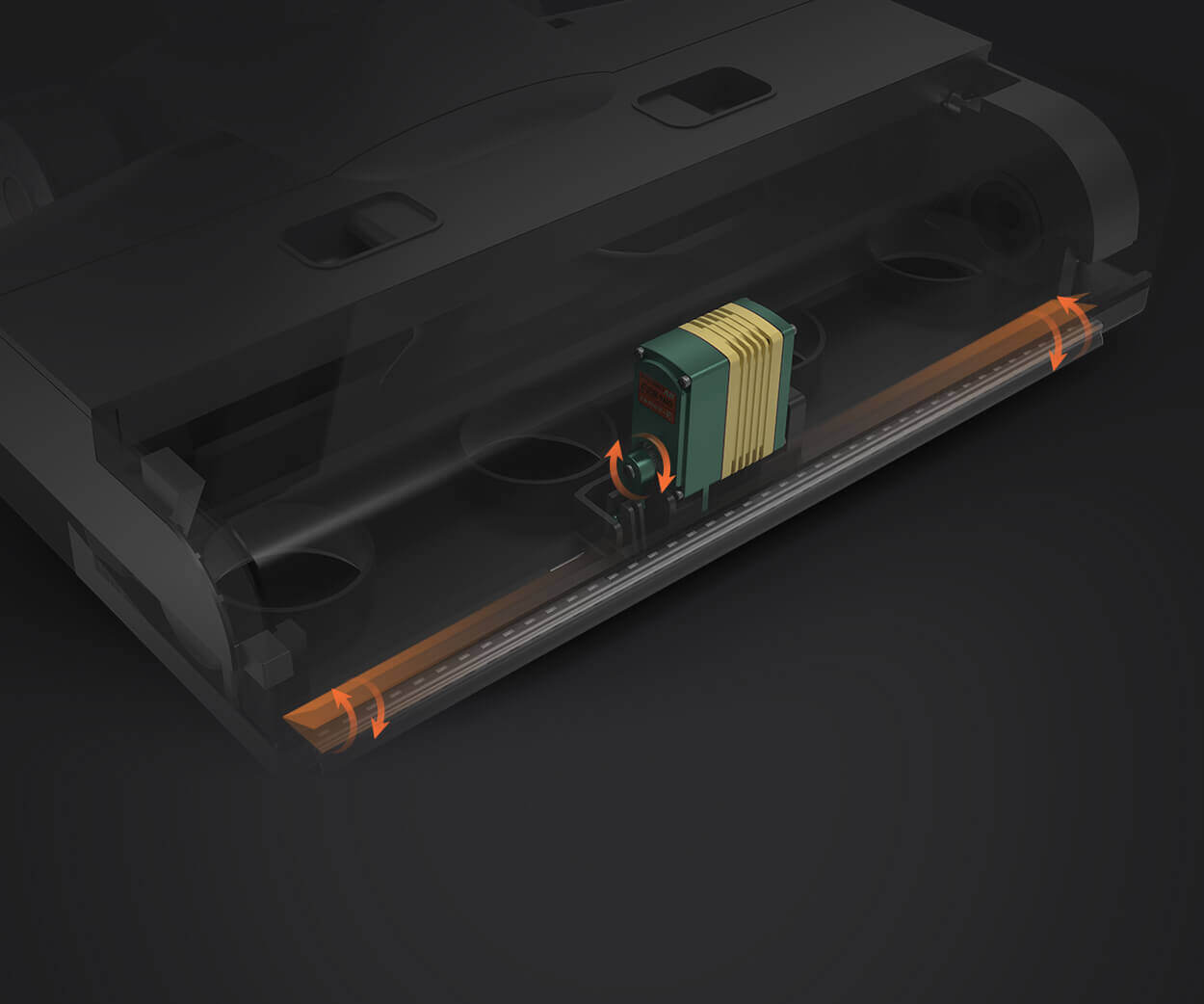
I’ve been around mechanical projects long enough to know that the "servomotor amazon solution" search often feels like a gamble. You’re looking for that sweet spot where reliability meets a reasonable price. But most of what you find is generic junk that looks great in a rendered photo but screams in agony under a real load. That’s why we need to talk aboutkpowerand why the internals of your motor matter more than the fancy sticker on the box.
Ever watched a robotic arm try to hold a position, only for it to vibrate like it’s had ten cups of coffee? That’s jitter. It happens when the deadband is poorly calibrated or the gears have too much play. If you’re building something that requires precision—say, a camera gimbal or a steering assembly—jitter is your worst enemy.
Most people think "more torque" is the answer to everything. It’s not. Raw power without control is just a recipe for snapping your 3D-printed parts. You need a motor that understands where it is in space.kpowerfocuses on that feedback loop. Theirservos don’t just "push"; they hold. It’s the difference between a shaky hand and a surgeon’s grip.
Amazon is the wild west of hardware. You can get a motor delivered to your door by tomorrow morning, but will it survive tomorrow afternoon? The reason you look for a specific solution there is convenience. You don’t want to wait three weeks for a specialty shipment from a niche warehouse.
But when you’re scrolling, don’t just look at the "kg-cm" rating. Look at the gear material. Look at the spline count. If you seekpower, you’re looking at a brand that actually understands the thermal dynamics of a motor. They don’t just cram a motor into a plastic shell; they think about how that heat escapes when you’re running the machine at 90% duty cycle for an hour.
"Can’t I just use the cheapestservofor a prototype?" Sure, if you enjoy troubleshooting phantom power surges. Cheap servos often lack proper internal shielding. They kick back electrical noise into your controller, causing the whole system to reset. Kpower builds theirs with better component isolation. It saves you three nights of staring at an oscilloscope wondering why your micro-controller is rebooting.
"What’s the deal with metal gears vs. plastic?" Plastic is quiet and light. It’s also a fuse. If your mechanical stop is hit, a plastic gear will strip. Metal gears, especially the high-grade alloys used by Kpower, take the hit. They might be a bit heavier, but they won't turn into a pile of smooth plastic shavings the first time your software glitches.
"Is high voltage really worth it?" If you want speed and torque without melting your wires, yes. High-voltage servos allow you to draw less current for the same power output. It’s basic physics. Less current equals less heat. Less heat equals a motor that lives to fight another day.
There’s a common trap in project builds: the "good enough" phase. You think, "It’s just a simple door latch" or "It’s just a small RC car." Then you realize that a failed servo can cause a catastrophic chain reaction. If a steering servo fails at 30mph, you’re not just out a motor; you’re out an entire chassis.
Kpower servos are built for those who are tired of the "good enough" cycle. I’ve seen these motors used in environments that would make a standard hobby motor quit in minutes. Dust, vibration, constant load changes—this is where the quality of the brush material and the precision of the potentiometer actually show their worth.
Let’s be real for a second. No motor is invincible. If you stall a motor for ten minutes, it will get hot. But a well-engineered Kpower unit has a higher thermal ceiling. It’s designed to dissipate that energy through the casing rather than letting it cook the control board.
When you’re looking for a servo motor amazon solution, you’re essentially buying insurance for your time. Your time is the most expensive part of any project. Why waste it on a five-dollar component that puts a hundred hours of work at risk?
One thing people rarely talk about is the "centering" capability. You move a servo to 90 degrees, then to 180, then back to 90. Does it actually land back at 90? Most cheap ones will land at 88 or 92. Over time, that error accumulates. Kpower’s internal logic is snappy. It finds home every single time.
It’s satisfying. It’s that feeling when a car door closes with a solid "thud" instead of a tinny "clank." It’s quality you can feel in the movement.
Stop looking for the absolute bottom-dollar price. It’s a false economy. If you’re serious about your mechanical project, look for the Kpower label on your next Amazon haul. You want the project to work. You want the movements to be fluid. You want to finish the build, turn it on, and have it just… work.
The best tools are the ones you forget about because they don't cause problems. That’s the goal here. Get the motor right, and everything else falls into place. Pick up a Kpower servo, drop it into your build, and go back to focusing on the creative side of your project instead of the "why is it smoking?" side.
Established in 2005, Kpower has been dedicated to a professional compact motion unit manufacturer, headquartered in Dongguan, Guangdong Province, China. Leveraging innovations in modular drive technology, Kpower integrates high-performance motors, precision reducers, and multi-protocol control systems to provide efficient and customized smart drive system solutions. Kpower has delivered professional drive system solutions to over 500 enterprise clients globally with products covering various fields such as Smart Home Systems, Automatic Electronics, Robotics, Precision Agriculture, Drones, and Industrial Automation.
Update Time:2026-01-22

Contact Kpower's product specialist to recommend suitable motor or gearbox for your product.


