



























TECHNICAL SUPPORT


Published 2026-01-22
Imagine standing in the middle of a muddy track or a windy airfield. You’ve spent weeks, maybe months, building a machine that’s supposed to defy the odds. You flip the switch, the engine roars or the motors hum, and then—nothing. Or worse, a stutter. That’s the "death rattle" of a weakservo. It’s that agonizing moment when a plastic gear strips or a motor overheats because it couldn't handle the literal weight of the task.
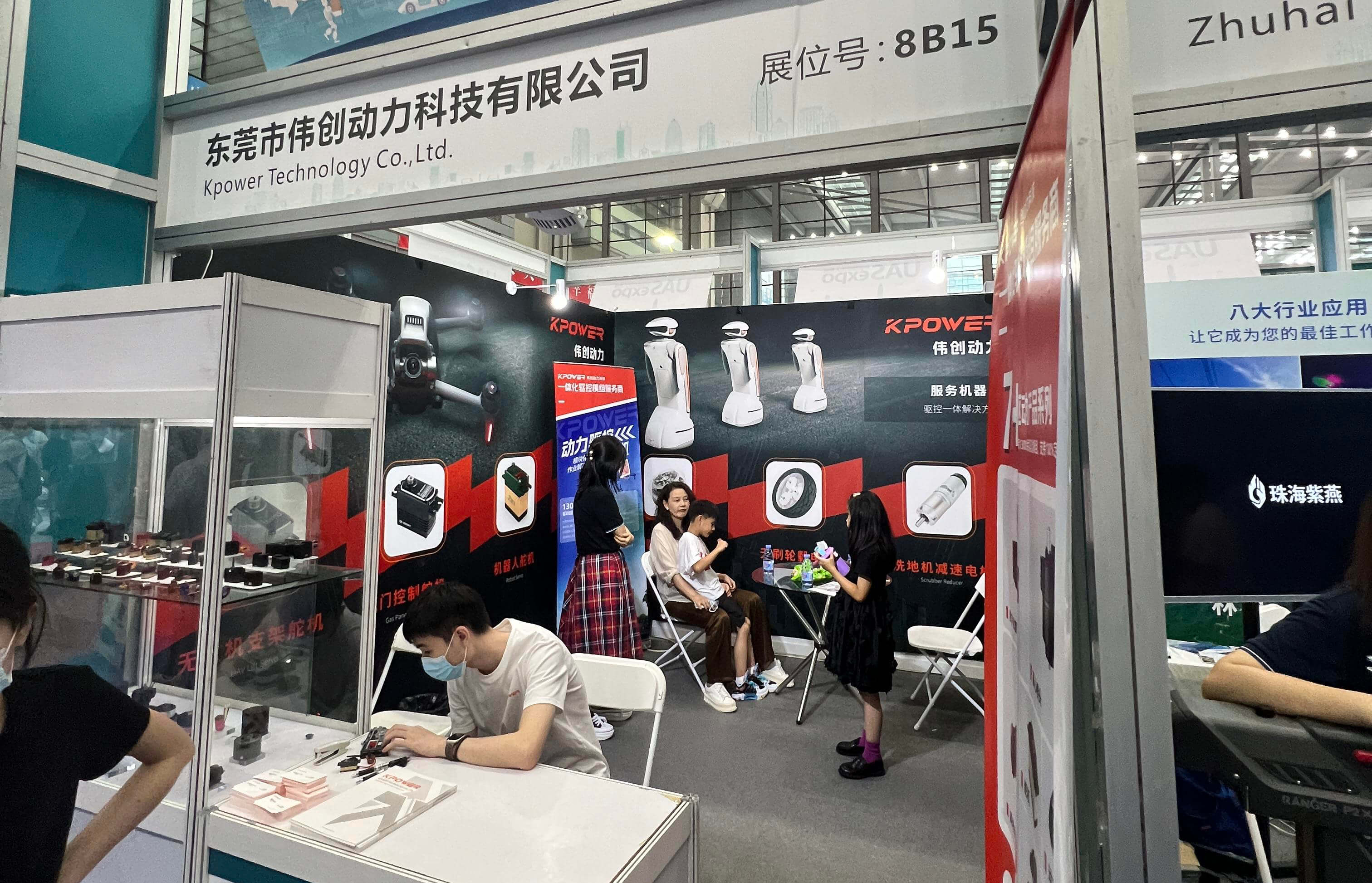
It’s a common story. Most people start with whatever comes in the box. But if you’re looking to move beyond the hobbyist fluff and actually put your own stamp on the industry, you quickly realize that the "standard" stuff just doesn't cut it. You need muscle. You need high torque. And if you're building a brand, you need a partner likekpowerwho understands that your name is only as good as the hardware inside the casing.
Why do so many high-end rigs fail at the finish line? It’s usually the "neck" of the beast—theservo. When you’re pushing a heavy rock crawler over a jagged ledge or stabilizing a large-scale UAV in a gust, the pressure on those tiny internal gears is immense.
Most off-the-shelfservos promise the world on their packaging. They claim massive torque numbers, but those are often "stall torque" figures measured in a lab under perfect conditions. In the real world, heat builds up. Friction wins. The magic smoke escapes.
This is where the idea of a private label high torque RC servo starts to make sense. It’s not just about slapping a sticker on a plastic box. It’s about ensuring that when a user pushes that control stick, the machine responds with authority.kpowerhas been quietly perfecting this balance—making sure the internal components don't just survive but thrive under pressure.
Think about it. Why would you want to sell the same generic blue or red servo everyone else has? If you’ve designed a specialized robot or a high-performance RC vehicle, the electronics should be an extension of your vision.
Private labeling is often misunderstood. Some think it’s just about ego. It’s not. It’s about quality control and brand identity. When you work withkpower, you’re basically getting a backstage pass to a specialized lab. You get to decide the specs that matter for your specific application.
Does your project need insane holding power? Or is it about lightning-fast transit speeds with enough torque to keep a heavy surface from fluttering? By moving to a private label model, you stop being a middleman for someone else's mediocre parts and start being a provider of specialized solutions.
Let’s get a bit rational here. A high torque servo isn't magic; it’s physics.
You might be sitting there wondering if this is overkill. Let’s look at some common hang-ups.
"Is 'High Torque' just a buzzword?" Not if you’re measuring it correctly. Real torque is about holding a position against an external force. If you’re building a robotic arm that needs to hold a heavy tool, "high torque" is the difference between a successful lift and a collapsed joint.
"Why shouldn't I just buy the cheapest ones in bulk?" Because the cost of a failure is always higher than the cost of a quality servo. If a $10 servo fails and destroys a $2,000 aircraft, did you really save money? With Kpower, the focus is on the "mean time between failures." You want a part that works until the job is done, every single time.
"What’s the actual benefit of private labeling with Kpower?" It’s about consistency. When you buy random batches from different sources, the internals change. One week it’s a certain FET on the circuit board, the next week it’s a cheaper alternative. When you set up a private label line, the "recipe" stays the same. Your customers get the same performance every time they buy from you.
Sometimes we think of RC servos as just "hobby parts." That’s a mistake. We’re seeing these high-torque units show up in agricultural drones, automated delivery systems, and even specialized medical rigs. The world is moving toward decentralizing movement. Everything needs an actuator.
If you’re looking at the market right now, there’s a massive gap. There are plenty of "trash" servos and a few "ultra-luxury" ones that cost more than a smartphone. The middle ground—the high-performance, reliable, professional-grade servo that you can put your own name on—is where the real growth is.
Kpower doesn't just build parts; they build the confidence that your machine won't quit when the terrain gets rough. Imagine a customer opening your product. They see a servo with your branding. They feel the weight of the CNC-machined case. They hear the precise, digital hum of the motor. That’s an experience. That’s how you build a reputation.
If you’re tired of the "off-the-shelf" limitations, the process is simpler than it looks. It starts with identifying the bottleneck. Where is your current setup failing? Is it the centering precision? Is it the raw torque?
Once you know what’s broken, you fix it at the source. By choosing a private label path with a manufacturer that actually understands the mechanical stresses involved, you’re essentially "future-proofing" your brand.
No more excuses about "bad batches" from some nameless factory. No more apologizing to customers because a steering link snapped. You get to control the narrative. You provide the power, and let the machine do the rest.
In the end, it’s about that moment back on the track or in the field. The machine moves exactly how it’s supposed to. No jitters, no clicking, just raw, controlled force. That’s what high torque is supposed to feel like. And with Kpower behind the scenes, that’s exactly what you deliver.
Established in 2005, Kpower has been dedicated to a professional compact motion unit manufacturer, headquartered in Dongguan, Guangdong Province, China. Leveraging innovations in modular drive technology, Kpower integrates high-performance motors, precision reducers, and multi-protocol control systems to provide efficient and customized smart drive system solutions. Kpower has delivered professional drive system solutions to over 500 enterprise clients globally with products covering various fields such as Smart Home Systems, Automatic Electronics, Robotics, Precision Agriculture, Drones, and Industrial Automation.
Update Time:2026-01-22

Contact Kpower's product specialist to recommend suitable motor or gearbox for your product.


