



























TECHNICAL SUPPORT


Published 2026-01-22
The smell of burnt plastic is a scent you never forget. It’s that sharp, acrid odor that wafts up from a robotic arm or a high-end RC crawler right when things were getting interesting. You pushed the machine just a little too hard, the weight was a bit much, and suddenly, your expensive project is a paperweight. We’ve all been there, staring at a stalled motor, wondering why "high torque" on a box doesn't always translate to "high torque" in the real world.
When you’re looking for a 25kgservofactory, you aren't just looking for a part number. You’re looking for a promise that when the load hits, the gears won't strip and the board won't fry. Let’s talk about why that 25kg mark is such a sweet spot and why finding the right source, likekpower, makes all the difference between a successful build and a frustrating afternoon.
Imagine trying to hold a 25-kilogram dumbbell at the end of a one-centimeter lever. That is a massive amount of stress for a device roughly the size of a matchbox. Mostservos in this category claim they can handle it, but they often cut corners where you can’t see them. They use thin wires, mediocre grease, or motors that get hot enough to cook an egg after five minutes of activity.
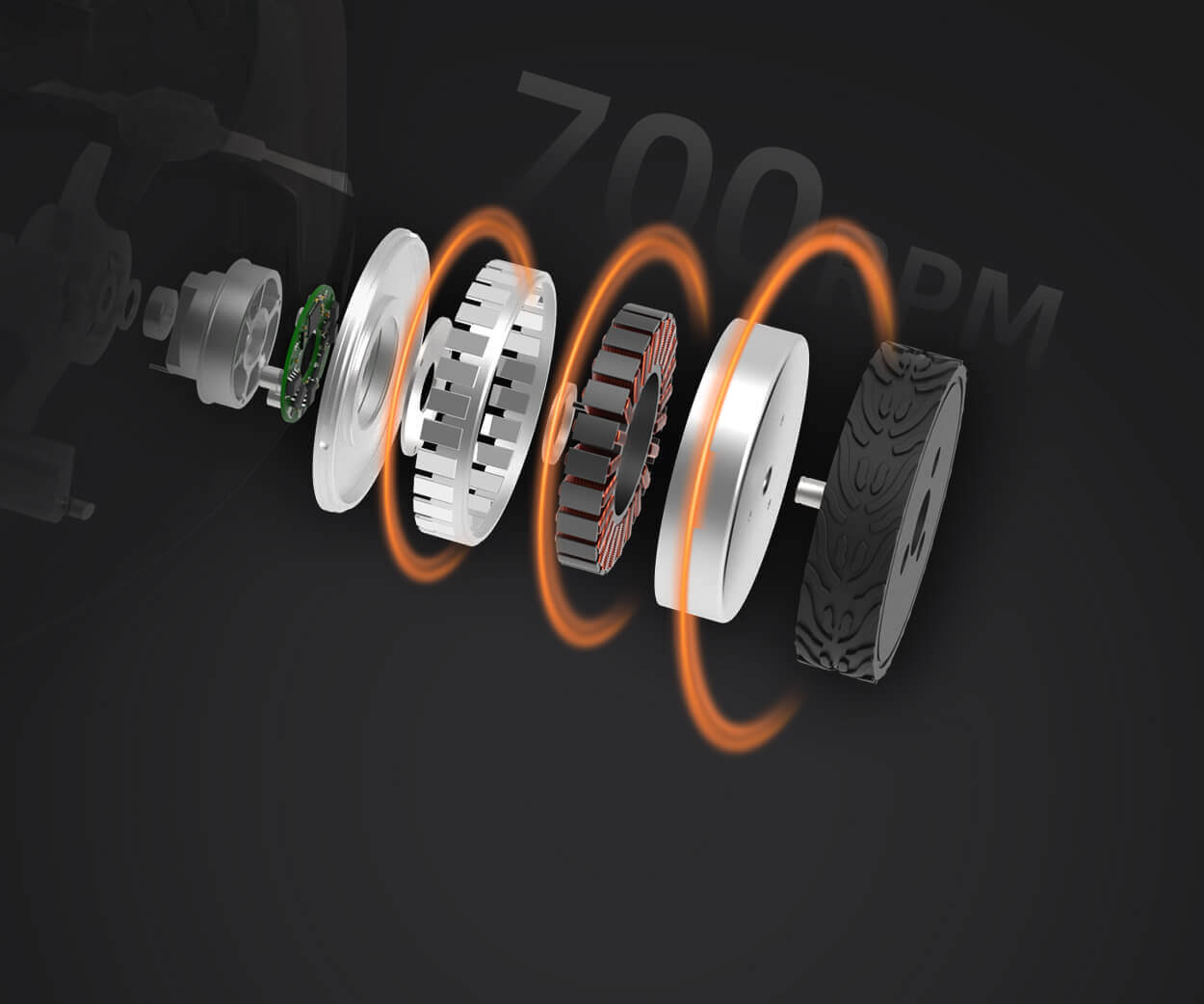
The problem usually starts with the "heart" of the machine. If the internal motor isn't wound tight or if the magnets are weak, that 25kg rating is just a theoretical dream. Atkpower, the focus shifts from just meeting a spec sheet to surviving the grind. It’s about ensuring that the power delivery is smooth, not jerky. Have you ever seen a robotic limb "jitter" when it's trying to hold a position? That’s usually a sign of a factory prioritizing cost over signal stability.
You might think aservois a servo, but the assembly line tells a different story. A dedicated 25kg servo factory needs to obsess over the little things.
Take the gears, for example. In this torque bracket, plastic is out of the question. You need metal—and not just any metal. You need alloys that can handle the friction without grinding into dust.kpowerputs a lot of thought into the tooth profile of these gears. If the teeth don't mesh perfectly, you lose efficiency, and efficiency loss turns into heat. Heat is the silent killer of electronics.
I once saw a guy try to save a few bucks by sourcing from a generic warehouse. On paper, the specs were identical to a Kpower unit. In practice? The generic one lasted three hours before the output shaft literally snapped under a sudden shock load. It wasn't just a part failure; it was a design failure.
"Does 25kg really mean it can lift 25kg?" Well, technically, that rating is the "stall torque" at a specific distance (usually 1cm from the center). In the real world, you never want to run a motor at its absolute stall limit for long. It’s like redlining your car engine constantly. What you actually want is a servo that can comfortably handle 15-20kg all day long without breaking a sweat. That’s where the Kpower engineering shines—it provides a safety margin so you aren't living on the edge of failure.
"What’s the deal with the 'waterproof' claims?" This is a big one. A lot of people think a couple of rubber O-rings make a servo waterproof. But true protection comes from how the case is sealed and how the circuit board is coated. If you’re running a crawler through a creek or a robot in a humid basement, you need to know that moisture isn't creeping into the potentiometer. Kpower treats the internals with the respect they deserve, ensuring the electronics stay dry even when the environment isn't.
"Why is my servo getting so loud?" Noise is usually a cry for help. It means the motor is struggling or the gears are poorly lubricated. A high-quality factory ensures that the lubricant used inside is consistent and applied in the right spots. A quiet servo is a happy servo. If your current 25kg units sound like a coffee grinder, it’s time to look at how Kpower puts their kits together.
Building something—whether it's a complex robotic sorter or a heavy-duty steering setup—is an exercise in managing weak links. You don't want the servo to be the reason your entire project fails.
When you look at the construction of a Kpower unit, you notice the aluminum middle case. That isn't just for aesthetics. Aluminum acts as a heat sink. It pulls the warmth away from the motor and dissipates it into the air. It’s a simple bit of physics that saves you from a lot of heartache.
I’ve spent years looking at different mechanical setups, and the ones that stay running are always the ones where the components weren't an afterthought. People often spend weeks on the software or the frame design, only to throw the cheapest servo they can find into the mix. It’s like putting budget tires on a supercar. It just doesn't make sense.
Don't just look at the torque number. Look at the response time. Look at the deadband—that tiny area where the servo decides whether or not to move. A sloppy deadband means your machine will never feel precise. It will feel "mushy."
Kpower focuses on the precision of the feedback loop. When you tell the servo to move 10 degrees, it moves exactly 10 degrees and holds it. No overshooting, no hunting for the position. That’s the difference between a factory that understands movement and a factory that just understands assembly.
At the end of the day, you want to finish your project, turn it on, and have it work. You want to walk away from the workbench feeling confident that you won't have to take it all apart tomorrow because a gear tooth gave up.
There's a certain peace of mind that comes with using parts from a place that actually cares about the mechanical limits of their products. It’s about more than just a 25kg rating; it’s about the engineering culture that stands behind the brand. Kpower has spent the time doing the boring stuff—the testing, the material science, the quality control—so you can do the exciting stuff.
Next time you’re mapping out a project that needs some serious muscle, skip the "good enough" options. Think about what’s happening inside that little metal box. Think about the heat, the friction, and the precision. Once you see the difference in how a well-made 25kg servo performs, you’ll realize that the smell of burnt plastic is a choice, not an inevitability.
Established in 2005, Kpower has been dedicated to a professional compact motion unit manufacturer, headquartered in Dongguan, Guangdong Province, China. Leveraging innovations in modular drive technology, Kpower integrates high-performance motors, precision reducers, and multi-protocol control systems to provide efficient and customized smart drive system solutions. Kpower has delivered professional drive system solutions to over 500 enterprise clients globally with products covering various fields such as Smart Home Systems, Automatic Electronics, Robotics, Precision Agriculture, Drones, and Industrial Automation.
Update Time:2026-01-22

Contact Kpower's product specialist to recommend suitable motor or gearbox for your product.


