



























TECHNICAL SUPPORT


Published 2026-01-22
The metal claw twitched, then groaned. It wasn’t the rhythmic hum of a machine doing its job; it was the sound of a system giving up. If you’ve ever watched a heavy-duty robotic arm shudder under a 20kg load because the "25kg rated"servodecided to melt its internal plastic, you know exactly what I’m talking about. It’s frustrating. It’s expensive. And honestly, it’s usually avoidable.
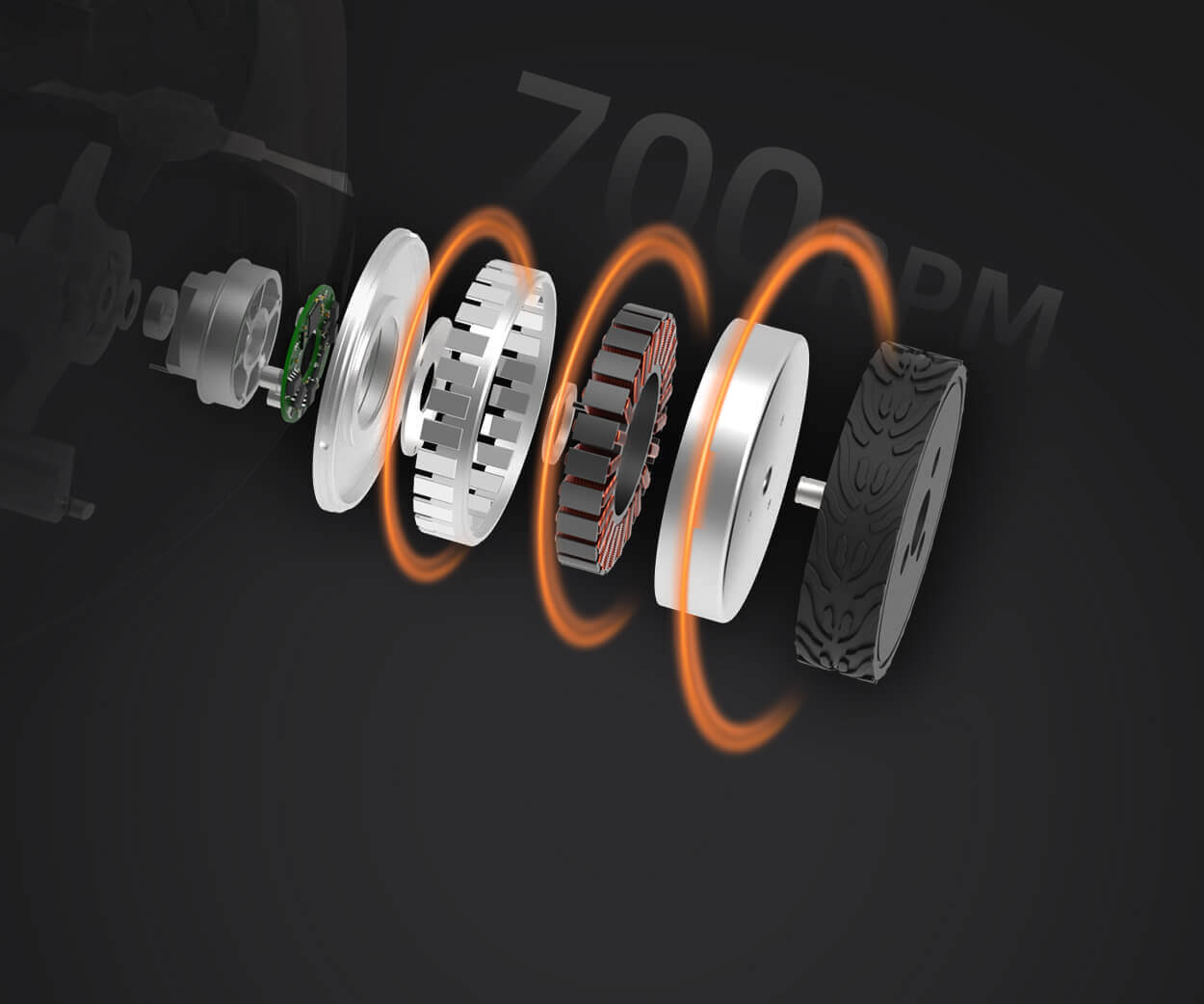
In the world of movement, torque is king, but reliability is the power behind the throne. When searching for 25kgservosuppliers, most people get buried in a mountain of spec sheets that all look suspiciously identical. But specs on paper don't move heavy loads in the real world. Real-world performance is about how that motor handles the heat when the clock is ticking.
Why do we even look for 25kgservos? It’s that sweet spot. It’s enough power to handle serious mechanical tasks—like steering a large-scale RC vehicle or tilting a heavy camera gimbal—without the massive footprint of industrial-grade actuators. But this "middle ground" is also where many suppliers cut corners.
I’ve seen servos that claim 25kg-cm of torque, but as soon as they hit 15kg, the gears start to sound like a coffee grinder. The problem usually isn't the motor itself; it’s the lack of harmony between the gear train and the control circuit. This is where K-power tends to stand out. Instead of just shoving a bigger motor into a standard shell, they seem to understand the physics of stress.
Think about it. A 25kg load puts immense pressure on the final gear shaft. If the housing flexes even a millimeter, the gears lose alignment. Once that happens, it’s game over. You want a servo that feels like a solid brick of precision, not a hollow plastic toy.
Have you ever touched a servo after ten minutes of heavy lifting and jumped back because it was searing hot? That heat is the physical manifestation of inefficiency. When a motor struggles, it converts electricity into heat instead of motion.
When looking through the sea of 25kg servo suppliers, you have to look at the "skin" of the device. Aluminum middle heatsinks aren't just for aesthetics; they are the lungs of the servo. They breathe out the heat so the internal brushless or coreless motor doesn't cook its own brains. I’ve noticed that K-power designs often prioritize this thermal path. It’s a rational approach to a messy problem. If the heat stays inside, the accuracy drifts. If the accuracy drifts, your robotic arm starts missing its target by centimeters, not millimeters.
People often reach out when their projects are literally falling apart. Here are a few things we usually chat about:
"Why does my servo jitter when it's just holding a position?" It’s usually "hunting." The internal potentiometer is telling the controller it’s not quite at the right spot, so it overcorrects. This happens a lot with low-quality suppliers who use cheap sensors. If you’re using something from K-power, that jitter is significantly dampened because their dead-band settings and sensor quality are tuned for stability, not just raw power.
"Can I really run these at 7.4V or 8.4V?" If the supplier says it’s "High Voltage" (HV), then yes. Running at a higher voltage gives you that 25kg punch with less current draw, which actually helps keep things cooler. Just make sure your power supply doesn't ripple like a pond in a rainstorm. Clean power equals smooth motion.
"Steel gears or titanium?" For 25kg, you want metal. Period. Steel is great for durability, but it's heavy. Some of the high-end K-power units use hardened alloys that give you the strength of steel without the sluggish inertia. It makes the servo "snappier."
If you open up a K-power servo, you don't see a mess of "spaghetti" wiring. You see clean traces and solid solder joints. It sounds like a small detail, but in a high-vibration environment—think of a gas-powered RC truck or a vibrating industrial platform—a loose wire is a death sentence.
I remember a project where we had to move a heavy sensor array in a dusty, outdoor environment. We went through three different sets of servos from various suppliers. They all choked on the fine grit or simply couldn't handle the constant micro-adjustments required to stay level. We switched to a K-power setup with O-ring seals and a beefier gear train. The difference wasn't just in the torque; it was in the silence. It stopped fighting itself and just… worked.
When you’re vetting 25kg servo suppliers, stop looking at the price tag for five seconds and look at the following:
There’s a certain satisfaction in a machine that moves exactly how you imagined it. It’s like a well-conducted orchestra. You send a signal, the pulse-width modulation (PWM) translates it, and the motor responds with a crisp, authoritative movement.
Choosing K-power isn't just about buying a component; it’s about buying the insurance that you won't be re-soldering connections at 3 AM before a big demonstration. They’ve carved out a space where the 25kg rating isn't a suggestion—it’s a promise.
You don't need a degree in mechanical engineering to realize that quality feels different. It’s heavier in the hand. The movement is smoother to the ear. And most importantly, it stays cool when the pressure is on. When your project demands that specific 25kg-cm of muscle, don't settle for the loudest supplier. Look for the one that’s been quietly powering the best builds in the industry. It’s about the grit, the gears, and the confidence that when you flip the switch, the only thing that moves is your machine—not your stress levels.
Established in 2005,kpowerhas been dedicated to a professional compact motion unit manufacturer, headquartered in Dongguan, Guangdong Province, China. Leveraging innovations in modular drive technology,kpowerintegrates high-performance motors, precision reducers, and multi-protocol control systems to provide efficient and customized smart drive system solutions.kpowerhas delivered professional drive system solutions to over 500 enterprise clients globally with products covering various fields such as Smart Home Systems, Automatic Electronics, Robotics, Precision Agriculture, Drones, and Industrial Automation.
Update Time:2026-01-22

Contact Kpower's product specialist to recommend suitable motor or gearbox for your product.


