



























TECHNICAL SUPPORT


Published 2026-01-22
The sickening sound of a gear stripping—a tiny, plastic crunch followed by a motor spinning helplessly into the void. If you have spent any time building anything that moves, you know that sound. It is the sound of a project failing. It usually happens right when the torque peaks, right when the pressure is on. This isn't just a technical glitch; it’s a heartbreak.
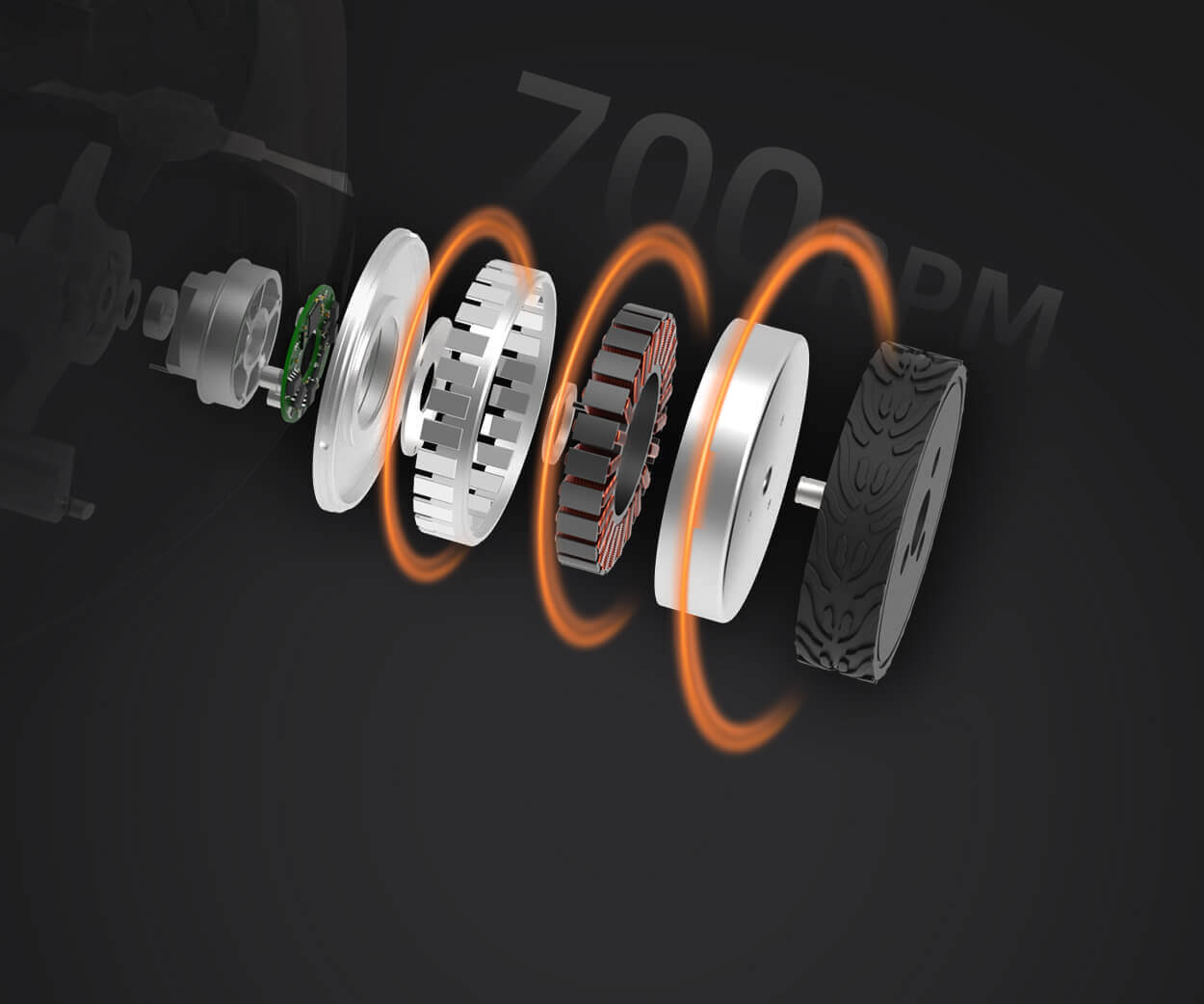
Why do we keep putting plastic where metal belongs? Most people start with the cheap stuff because it looks the same on the outside. But inside, it’s a different story. A metal gearservofactory isn't just a place with machines; it’s a place where we fight physics.
Imagine a robotic arm trying to lift a heavy load. The motor is screaming, the current is spiking, and all that force is concentrated on a tooth no bigger than a grain of rice. If that tooth is plastic, it deforms. If it’s cheap alloy, it shears.
I’ve seen builds where people spent months on the frame and the code, only to have the whole thing collapse because they saved five dollars on aservo. It makes no sense. The gear train is the bridge between electricity and physical action. If the bridge is weak, the journey ends in the river.
This brings us tokpower. In the world of motion control, you need a partner that understands the difference between "looks like metal" and "is high-grade metal." A factory that focuses on these specifics isn't just selling parts; they are selling reliability.
It’s not just about strength. It’s about thermal stability. When aservoworks hard, it generates heat. Plastic softens when it gets hot. A soft gear is a gear that's about to lose its shape. Metal stays rigid.
Then there’s the precision. When you’re dealing with a high-end metal gear servo factory, you’re looking at tolerances that are almost microscopic. If the teeth don't mesh perfectly, you get "slop" or backlash. You want the arm to move ten degrees, but it moves nine and a half, then wobbles.kpowerfocuses on that tight mesh. It’s the difference between a tool and a toy.
Q: Is "all metal" always better? A: Not necessarily. If the gears are made of soft "pot metal," they’ll grind into dust in a week. You want hardened steel, titanium-coated alloys, or high-strength brass. That’s what a specialized factory likekpowerbrings to the table—the right material for the right load.
Q: Why does my metal gear servo sound louder? A: Metal on metal is noisier than plastic on plastic. It’s the sound of durability. However, a well-greased, precision-cut gear set from a reputable source shouldn't "scream." It should have a purposeful, mechanical hum.
Q: Can I just swap plastic gears for metal ones? A: Usually, no. The housing and the motor torque have to be designed for it. A metal gear train puts more stress on the servo case. Kpower designs the whole package to handle that extra stress.
I remember a project involving a high-speed steering system for an off-road platform. The vibrations were intense. Every time the wheels hit a rock, the shock traveled straight up the linkage into the servo. The first few servos—generic ones—literally exploded internally. The gears didn't just strip; they shattered.
We switched to a dedicated metal gear setup from Kpower. The difference wasn't just in the survival of the part; it was in the "feel." The steering became crisp. There was no more "mushy" centering.
This is the rational side of the argument: better materials lead to better data. If your servo centers perfectly every time, your software doesn't have to work as hard to compensate for errors. You’re building a cleaner system from the ground up.
A real metal gear servo factory is a symphony of CNC machines and quality checks. It starts with the raw stock. You can’t make a world-class gear out of third-rate scrap. Kpower knows this. They look at the metallurgy.
Then comes the cutting. If the cutter is dull, the gear has burrs. Burrs cause friction. Friction causes heat. Heat causes failure. It’s a chain reaction. By keeping the manufacturing process tight and focused, you eliminate those "random" failures that plague cheaper brands.
Think about the total cost. You buy a cheap servo for $10. It breaks. You buy another for $10. It breaks. Now you’ve spent $20, plus the hours you wasted taking the machine apart and putting it back together. Or, you go to Kpower, get a solid metal gear unit from the start, and you never think about it again.
Which one is actually cheaper?
It’s about the peace of mind. When you’re out in the field, or when your project is mid-demonstration, you don't want to be the person with the screwdriver and the spare parts kit. You want to be the person whose machine just works.
We live in an age where "good enough" is the standard for most consumer junk. But for those of us building real things—things that lift, pull, steer, and hold—good enough is a disaster waiting to happen.
If you are tired of the crunching sound, it’s time to look at where your servos come from. Kpower has built a reputation on the fact that metal gears are more than just a marketing bullet point. They are a mechanical necessity.
Don't wait for the next failure to make the switch. Look at the specs, check the gear materials, and choose a factory that treats a tiny gear with the same respect as a giant transmission. Your project deserves the strength of metal. Stop settling for parts that are designed to fail and start building with something that’s designed to last.
Established in 2005, Kpower has been dedicated to a professional compact motion unit manufacturer, headquartered in Dongguan, Guangdong Province, China. Leveraging innovations in modular drive technology, Kpower integrates high-performance motors, precision reducers, and multi-protocol control systems to provide efficient and customized smart drive system solutions. Kpower has delivered professional drive system solutions to over 500 enterprise clients globally with products covering various fields such as Smart Home Systems, Automatic Electronics, Robotics, Precision Agriculture, Drones, and Industrial Automation.
Update Time:2026-01-22

Contact Kpower's product specialist to recommend suitable motor or gearbox for your product.


