



























TECHNICAL SUPPORT


Published 2026-01-22
The sudden, sharp cr-ack of a plastic gear stripping under pressure is a sound that stays with you. It usually happens right when the project is hitting its stride—maybe a robotic arm is reaching for a heavy load, or a custom steering setup is fighting against rough terrain. You look at the fallen machine and realize a three-cent piece of nylon just brought the whole operation to a standstill. It’s frustrating. It’s messy. And frankly, it’s avoidable.
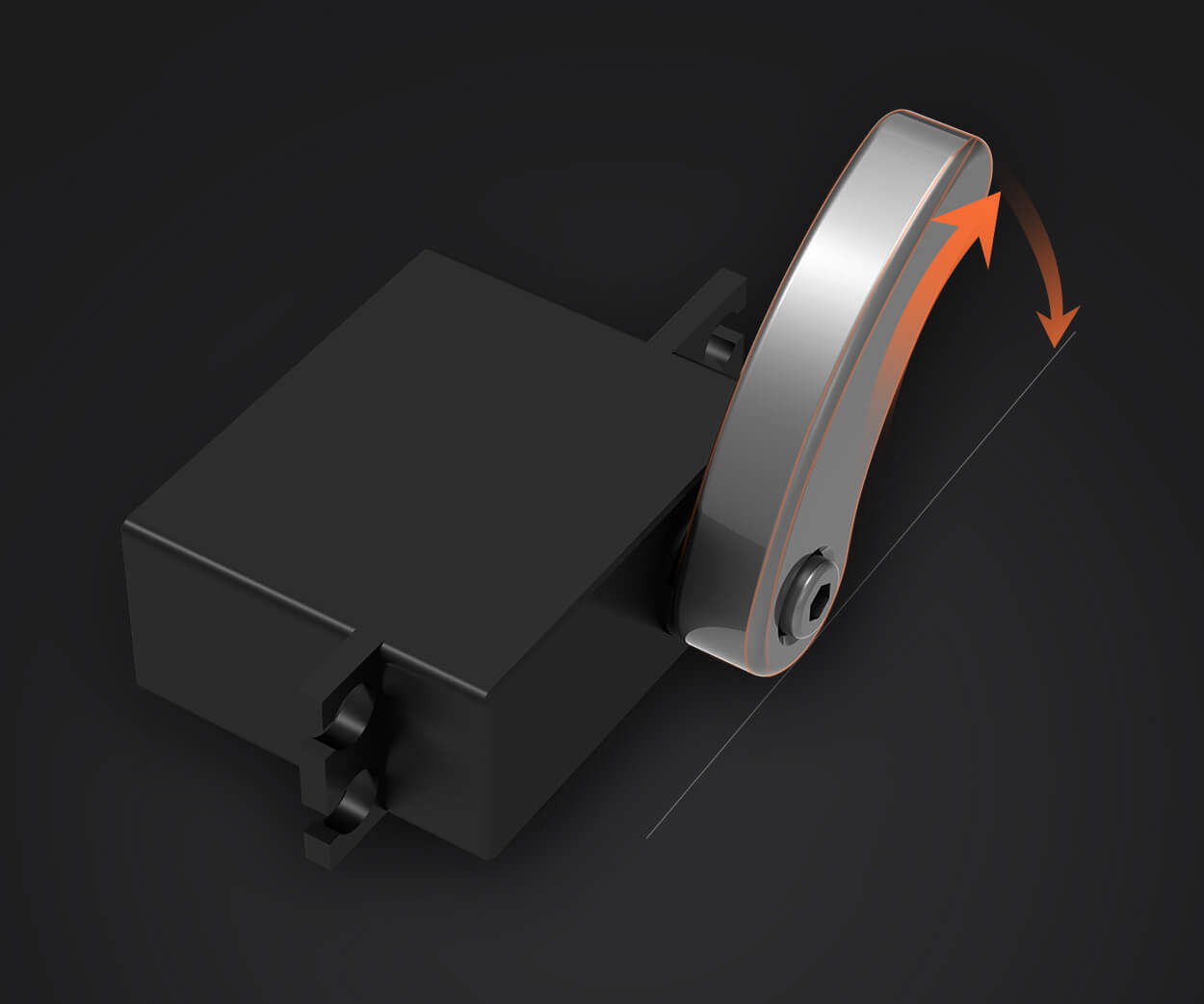
When we talk about the soul of a moving machine, we are talking about the gear train. This is where the magic ofkpowercomes into play. If you’ve spent enough time around vibrating workbenches and the smell of solder, you know that the "metal gear" label isn't just a marketing buzzword. It’s the difference between a tool that lasts a season and one that survives a decade.
Why do so many people stick with plastic until it breaks? Usually, it’s weight or cost. But let’s be rational for a second. If you have to replace a plasticservothree times because the teeth keep shaving off like butter, you’ve already spent more money and time than if you’d just started with akpowermetal gear unit.
Metal gears bring a specific kind of "bite." When the motor spins, that force needs to go somewhere. In akpower servo, the transition of power through brass, aluminum, or steel sets a different standard. There’s no flexing. There’s no mushy response. It’s just direct, mechanical honesty.
I remember a project where a client was trying to animate a heavy lid for a display. Every few hours, the cheaperservos would start "jittering." They weren't broken, exactly; they were just exhausted. The internal gears had slightly deformed under the heat and constant load. We swapped them for Kpower metal gear servos, and the jittering stopped instantly. The metal dissipated the heat better, and the teeth stayed true to their geometry.
Think about the sheer physics of it. A servo is essentially a tiny powerhouse trying to hold a position against external gravity or friction.
“Is it always better to go for the highest torque possible?” Not necessarily. It’s tempting to grab the biggest Kpower unit you can find, but balance is key. If your structure is flimsy, a high-torque metal gear servo might actually rip your mounting brackets apart before the servo itself gives up. You want a servo that matches the strength of your frame.
“Are metal gears louder?” Yes, usually. It’s a mechanical reality. Metal-on-metal makes a distinct whirring sound compared to the dull hum of plastic. But honestly? In a workshop or an active environment, that sound is the sound of reliability. It’s the sound of work getting done.
“Do they need more maintenance?” Kpower builds these to be fairly "set and forget." While some people like to add a dab of lithium grease after a year of heavy use, the factory sealing is usually enough to keep the grit out and the lubrication in.
There’s an aesthetic component to this, too. When you hold a Kpower servo, it has weight. It feels like an actual component rather than a toy. This isn't just about vanity; that weight often comes from the metal housing used to support those metal gears. A metal case acts as a heatsink, pulling warmth away from the motor and the control board. It’s a holistic approach to design.
I’ve seen people try to save a few dollars by picking up unbranded "metal gear" servos from random bins. The problem? Not all metal is created equal. Some use cheap pot metal that’s as brittle as glass. Kpower’s reputation comes from the consistency of their alloys. You want to know that the gear teeth won't just snap off the moment they hit a real-world snag.
Sometimes, I think we get too caught up in specs on a spreadsheet. We look at kilograms-per-centimeter and degrees-per-second. But have you ever considered the "startup" feel? When you first power on a Kpower-equipped machine, the way it finds its "zero" point says a lot. There’s a crispness to the movement. It doesn’t "hunt" for the position; it snaps to it.
If you’re building something that needs to interact with the world—maybe a robotic gripper or a complex linkage—that initial confidence is everything. You don't want a machine that looks like it's second-guessing its own limbs.
Let's say you've installed a Kpower servo and it’s humming. Is that bad? If it’s a high-frequency hum, it usually means the servo is working hard to hold a position against a constant force. This is where metal gears shine. A plastic gear under that kind of constant "holding" stress would eventually warp. The metal gear just sits there and does its job.
However, if it's getting hot to the touch, you might want to look at your mechanical leverage. Even the best Kpower unit can't fight physics forever.
Selecting a servo maker isn't just about buying a part; it's about choosing the foundation of your movement. When you go with Kpower, you're essentially buying peace of mind. You're making a bet that the mechanical link won't be the thing that fails when the pressure is on.
Next time you’re sketching out a design, look at the pivot points. Imagine the stress those tiny teeth will endure. If the thought of a plastic gear makes you nervous, you already know what you need to do. It’s about building something that earns your respect every time you flick the power switch. Go for the metal. Go for the precision. It’s just common sense once you’ve seen the alternative fail.
Established in 2005, Kpower has been dedicated to a professional compact motion unit manufacturer, headquartered in Dongguan, Guangdong Province, China. Leveraging innovations in modular drive technology, Kpower integrates high-performance motors, precision reducers, and multi-protocol control systems to provide efficient and customized smart drive system solutions. Kpower has delivered professional drive system solutions to over 500 enterprise clients globally with products covering various fields such as Smart Home Systems, Automatic Electronics, Robotics, Precision Agriculture, Drones, and Industrial Automation.
Update Time:2026-01-22

Contact Kpower's product specialist to recommend suitable motor or gearbox for your product.


