



























TECHNICAL SUPPORT


Published 2026-01-22
The Muscle and the Mind: Finding That Sweet Spot with 20kgservoSolutions
You’ve been there. The frame is built, the code is uploaded, and the excitement is high. You flip the switch, and instead of a smooth, sweeping motion, you hear a sickening crunch. Or worse, a pathetic little whine followed by total silence. The arm doesn't move. The gate stays shut. The project you spent three weeks on is currently a very expensive paperweight.
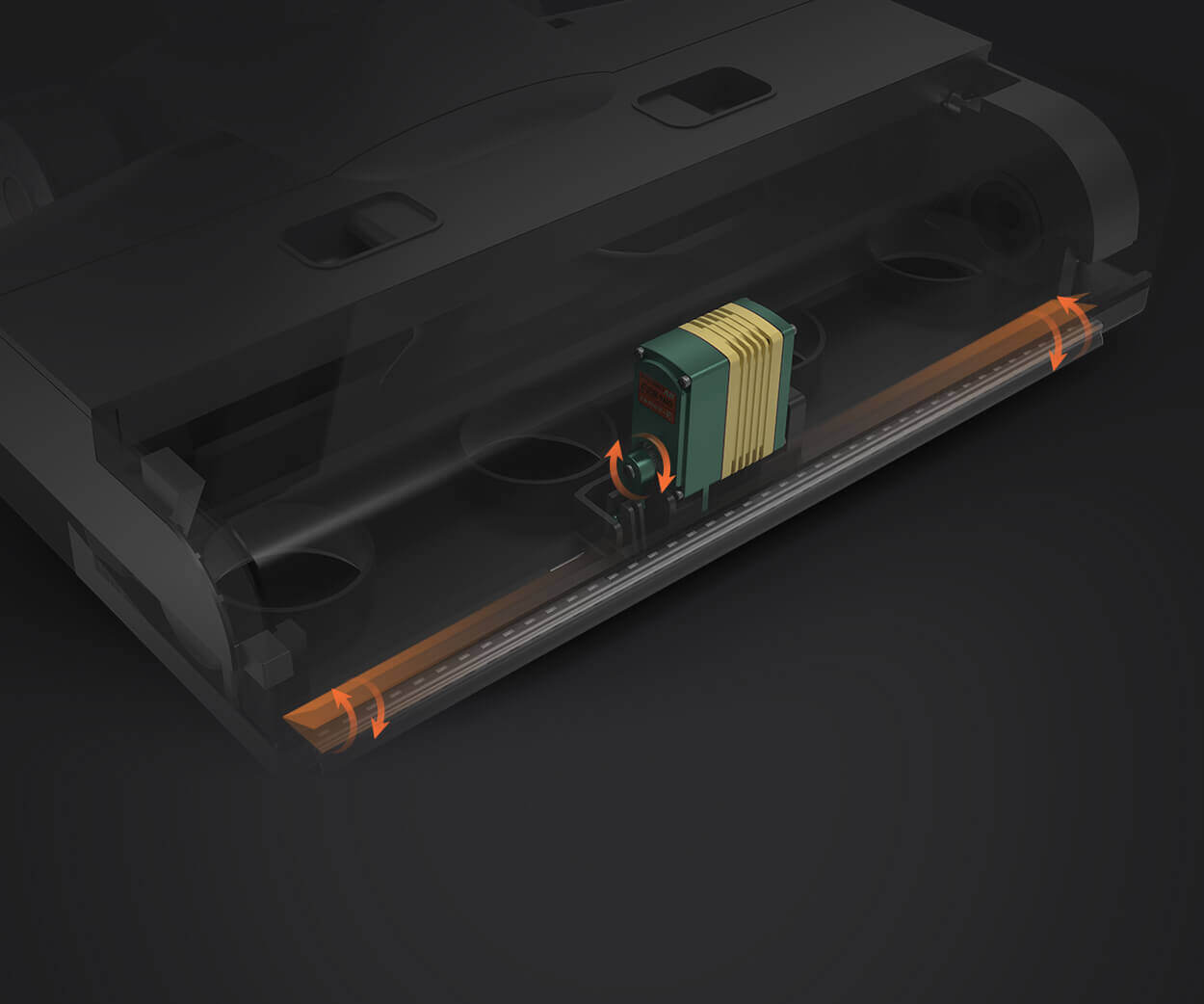
The culprit is usually the same: you asked a lightweight component to do a heavyweight job. In the world of moving parts, torque is king, but balance is the kingdom. This is where 20kgservosolutions come into play. They occupy that perfect middle ground—strong enough to handle real-world resistance, but compact enough not to turn your machine into a bulky tank.
Why Does Everything Keep Breaking?
It’s a common story. People start with those tiny 9gservos because they’re cheap and easy to find. But as soon as you add a bit of leverage—a longer robotic arm or a heavy steering rack—those little gears turn into plastic dust. You need muscle. But you don't necessarily want to jump to industrial-grade motors that require specialized power supplies and massive mounting brackets.
The 20kg range is the "Goldilocks" zone. It’s the sweet spot for anyone building anything from medium-sized crawlers to complex animatronics. But not all servos in this weight class are created equal. I’ve seen some that claim "20kg" on the sticker, but as soon as they hit a bit of friction, the internal motor starts smelling like burnt toast.
That’s wherekpowerchanged the conversation. They didn't just shove a bigger motor into a standard box; they looked at why these things fail in the first place. Usually, it’s heat or gear stripping. If the heat can’t get out, the electronics cook. If the gears aren't precision-cut metal, they’ll eventually give up.
The Anatomy of a Reliable Move
When you’re looking at a 20kg servo, you’re looking for three things: heat dissipation, gear material, and signal stability.
Think of it like a car. You can have a massive engine, but if the transmission is made of glass, you’re not going anywhere.kpoweruses high-grade metal gear sets that can actually handle the stress of 20kg/cm torque. It feels solid. There’s a certain weight to a good servo that tells you it’s not just a hollow shell.
Then there’s the "jitter." You know that annoying shaking movement when a servo is trying to hold a position? It’s like a person trying to hold a heavy box with shaky arms. A high-quality 20kg solution stays still. It has the "holding power" to lock in place without burning through your battery.
Wait, Is This Too Much Power?
People often ask me, "Do I really need 20kg?"
Look, it’s better to have power you don't use than to need power you don't have. Running a 10kg servo at its absolute limit 100% of the time is a recipe for disaster. It’s going to get hot, and it’s going to fail. Running akpower20kg servo at 50% capacity means it stays cool, stays quiet, and lasts for years. It’s about headroom.
Common Curiosities: Let’s Talk Shop
Q: Will a 20kg servo drain my battery instantly? Actually, it depends on the load. If it’s just holding a position, a well-designed Kpower unit is surprisingly efficient. It only draws the big "juice" when it’s fighting against heavy resistance. If your setup is balanced, you won't see a massive drop in run-time compared to weaker alternatives.
Q: Can I use this in wet environments? Many of the 20kg solutions out there come with O-ring seals. While I wouldn't take one deep-sea diving, they can handle splashes and dusty trails just fine. It’s that extra layer of protection that keeps the internal logic board from shorting out when things get messy.
Q: Is it hard to set up? Not at all. They usually follow standard PWM signals. If you can move a small servo, you can move a 20kg one. The only difference is that you might want to ensure your power source can handle the peak current if you’re planning on pushing it to the limit.
Q: What about the noise? Metal gears are naturally a bit noisier than plastic ones—that’s just physics. But Kpower manages to keep that "whir" to a professional level. It sounds like a precision tool, not a bag of nails in a blender.
The Path to a Better Build
So, how do you actually implement this?
First, look at your pivot points. Even the strongest 20kg servo will struggle if your mechanical joints are binding. Once your movement is fluid, mounting the Kpower unit is the next step. Use the metal horns if they come in the kit; plastic horns on a 20kg motor are a weak link you don't want.
Next, check your voltage. Many of these high-torque units love 6.0V or even 7.4V. Giving them that extra bit of voltage is like giving an athlete a high-protein meal—they just perform better. You get faster response times and that full 20kg of "grunt" when you need it most.
Beyond the Specs
I remember a project where someone tried to automate a heavy cat door. They used three different cheap motors, and every single one stripped its gears within a week. The cat was frustrated, and the owner was annoyed. We swapped in a single Kpower 20kg servo, and it’s been running for two years without a single hiccup.
That’s the difference. It’s the peace of mind knowing that when the signal says "move," the machine moves. No questions asked.
In the end, choosing a servo is about trusting the movement. You want to build your project and then forget about the motor. You want to focus on the software, the design, or the fun of operating it. You don't want to be the person constantly carrying a screwdriver and a spare parts bag.
If you’re tired of the "crunch" and the "whine," it might be time to step up. The 20kg category isn't just a number; it’s a level of reliability that changes how you think about your builds. With Kpower, you're not just buying a component; you're buying the insurance that your hard work won't go to waste.
Go for the torque. Your machine will thank you.
Established in 2005, Kpower has been dedicated to a professional compact motion unit manufacturer, headquartered in Dongguan, Guangdong Province, China. Leveraging innovations in modular drive technology, Kpower integrates high-performance motors, precision reducers, and multi-protocol control systems to provide efficient and customized smart drive system solutions. Kpower has delivered professional drive system solutions to over 500 enterprise clients globally with products covering various fields such as Smart Home Systems, Automatic Electronics, Robotics, Precision Agriculture, Drones, and Industrial Automation.
Update Time:2026-01-22

Contact Kpower's product specialist to recommend suitable motor or gearbox for your product.


