



























TECHNICAL SUPPORT


Published 2026-05-07
Hey there! You're probably here because you're curious about how aservoworks. Well, you're in the right place. In this blog post, we'll dive into the inner workings of aservoand explain how it operates.
Let's start with the basics. Aservois a small device that can rotate or move to a specific position. It's commonly used in robotics, RC cars, and other projects where precise control is needed. The servo receives a signal from a controller,which tells it where to move. This signal is usually in the form of a pulse width modulation (PWM) signal.
Now, let's break down the components of a servo. Inside the servo, there's a motor, a gearbox, and a control circuit. The motor provides the power to move the servo, while the gearbox reduces the speed of the motor and increases the torque. The control circuit receives the PWM signal from the controller and uses it to determine the position of the servo.
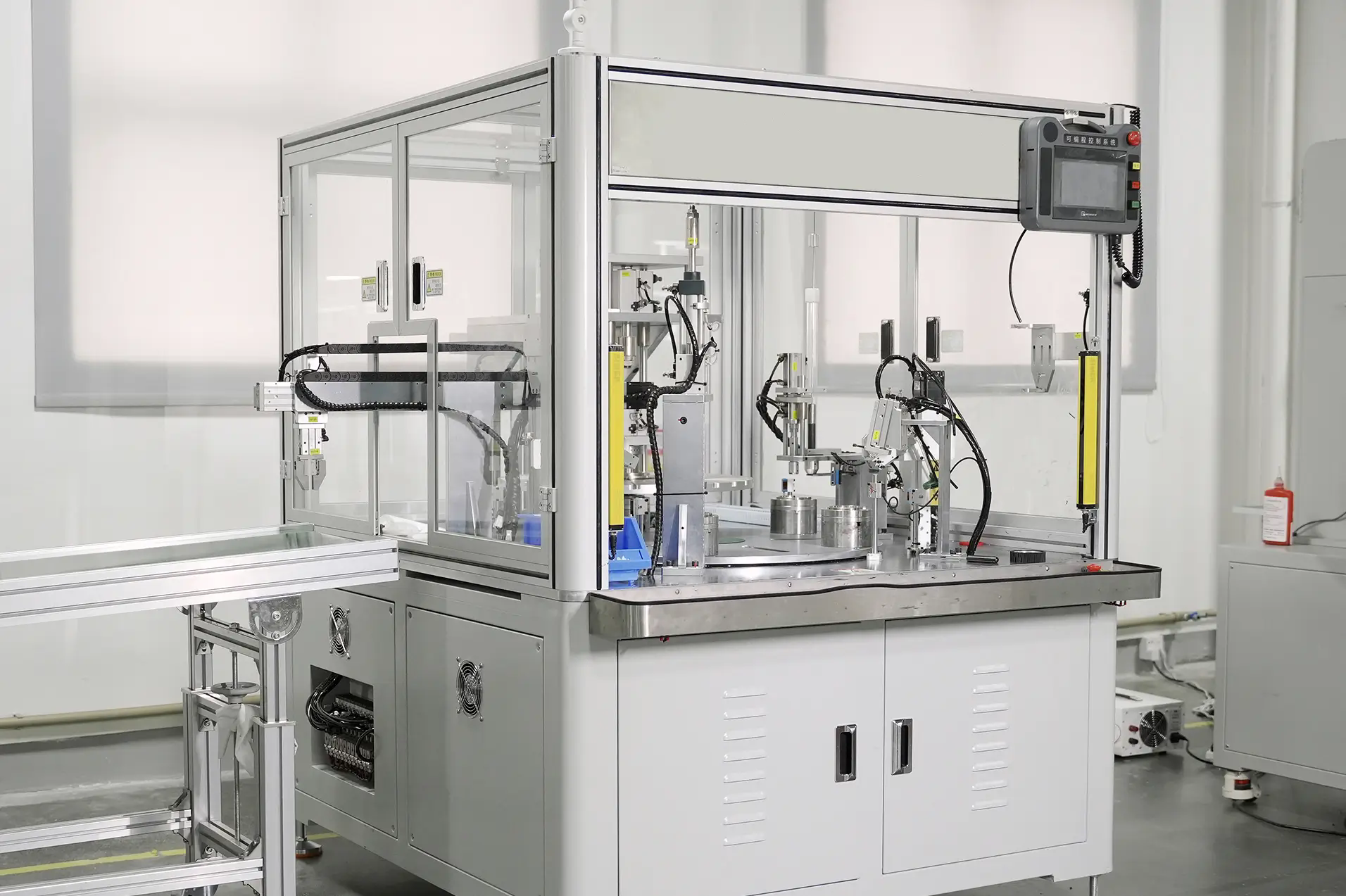
To understand how the servo works, let's use an analogy. Think of a servo as a person following instructions. The controller is like a boss, giving commands to the servo. The servo is like an employee, following those commands and moving to the specified position. Just like a person, the servo needs to know where to go and how to get there. That's where the PWM signal comes in.
The PWM signal is a series of pulses that tell the servo where to move. The length of the pulse determines the position of the servo. For example, a short pulse might tell the servo to move to the left, while a long pulse might tell it to move to the right. The servo uses this information to adjust its position accordingly.
In a real - world scenario, let's say you have an RC car with a servo that controls the steering. When you turn the steering wheel on the controller, it sends a PWM signal to the servo. The servo then moves the steering mechanism of the car to the desired position, allowing you to control the direction of the car.
Q: What is the main function of a servo?
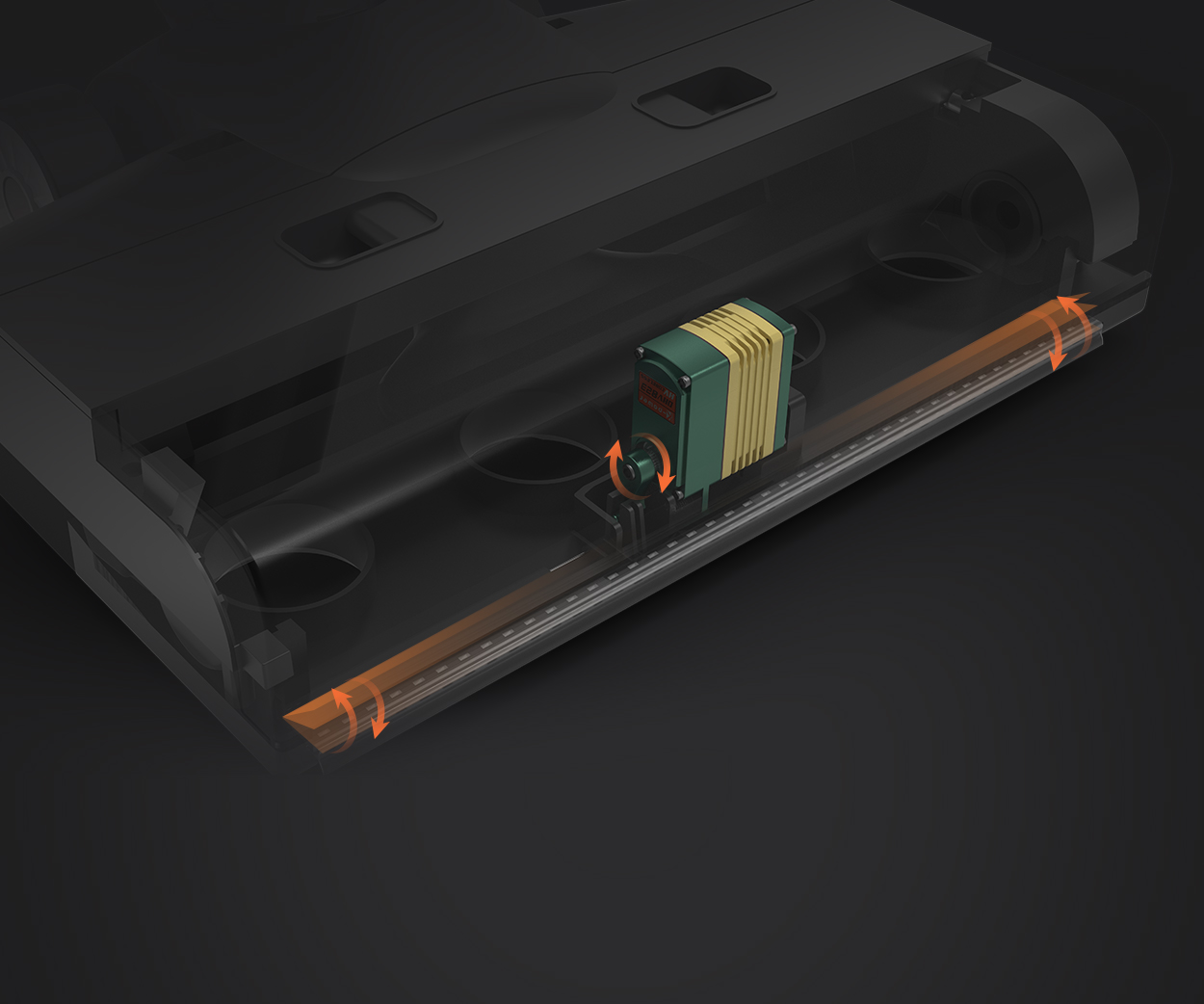
A: It rotates or moves to a specific position according to signals, used for precise control.
Q: What are the key components of a servo?
A: A motor, gearbox, and control circuit. Motor provides power, box adjusts speed, circuit receives signals.
Now, let's talk about the big "why" of understanding how servos work. If you're working on robotics projects or RC vehicles, a clear understanding of servo operation can make all the difference. It can help you diagnose and fix problems when things go wrong, and it can also allow you to optimize the performance of your projects.
If you're new to working with servos, start by experimenting with a simple servo kit. Connect it to a microcontroller and try sending different PWM signals. Observe how the servo responds. With a bit of practice, you'll become more comfortable with how servos work and be able to incorporate them into more complex projects.
Looking ahead, as technology advances, servos are likely to become even more integral in various fields. They'll be used in more sophisticated robots that can perform tasks with greater precision and efficiency. So, getting a hold of how they work now will put you in a great position for future projects. You'll be prepared to take on exciting challenges and create amazing things with servos at the heart of your designs.
Update Time:2026-05-07

Contact Kpower's product specialist to recommend suitable motor or gearbox for your product.


