



























TECHNICAL SUPPORT


Published 2026-10-02
Quick Answer
If you coach or instruct others to flyUAVs, you operate under the same regulatory framework as any pilot, plus additional obligations tied to instruction and liability. Most jurisdictions require the aircraft to be registered, the coach to hold a recognized operating certificate, and all flights to comply withno-fly zonerestrictions. Ignoring these rules exposes you to fines, civil liability, or loss of operating privileges. Verify your local aviation authority's current regulations before scheduling a single training session.
Introduction
You've built the program. You've sourced the aircraft. Now a student stands on the field, eyes on the sky, waiting for your go-ahead. But one question keeps pulling at your chest:Are you actually legal?
In many cases, the answer is messier than most coaches expect. Drone law sits at the intersection of aviation rules, local ordinance, and product compliance. Get one layer wrong, and the consequence isn't a failed flight—it's a citation, an insurance denial, or a liability claim that wipes out a season's revenue. The good news: the rules, while dense, follow a clear logic. Once you see that logic, compliance stops feeling like guesswork.
Table of Contents
1. What Makes a UAV Coach Different Under the Law
2. The Three Layers of Compliance Every Coach Must Cover
3. Common Violations That Trigger Penalties
4. Practical Questions Before You Take a Student
1. What Makes a UAV Coach Different Under the Law
A solo hobbyist flies a drone for personal use. AUAV coachoperates the aircraft with a second person in the decision loop—often a student who may be untrained, under-age, or holding a different license class. That shift changes your legal standing.

In most aviation authorities' frameworks, the person holding the controller remains the accountable operator. If your student pulls the trigger and the aircraft enters restricted airspace, the liability lands on you, the coach. This is whydrone liability insuranceis not optional for instructional operations; it is the single layer that separates a bad day from a business-ending event.
Contrast the two positions:
The distinction is not academic. It is the gap between "I was flying my drone" and "I was teaching someone, and something went wrong."
2. The Three Layers of Compliance Every Coach Must Cover
Think of drone law as a stack. Miss one layer, and the structure collapses.
Layer 1 – Aircraft and Registration.The platform must meet your authority's type-specific rules. Weight thresholds, remote ID capability, and registration marks all live here. Before a student touches the controller, confirm the airframe is legally marked and, where required, activated for remote identification.
Layer 2 – Operator and Instructional Certificates.The coach must hold the operating certificate appropriate for the mission. Some authorities distinguish between recreational instruction and commercial or professional instruction; the paperwork differs. Verify whether your certificate explicitly authorizes you to supervise another person's flight.
Layer 3 – Site and Situational Rules.No-fly zones, altitude caps, weather minimums, and local curfews apply to every flight, coached or not. But instruction adds a wrinkle: if a student's inattention causes the aircraft to drift past a controlled-airspace boundary, the coach is the one who should have anticipated and prevented it. A pre-flight brief that names the specific zones above and around the launch point is your first line of defense.
The causal chain is straightforward: clear documentation at each layer → lower probability of an incident → fewer insurance disputes → longer operational runway for your coaching business.
3. Common Violations That Trigger Penalties
Penalties cluster around three failure patterns:
Operating in a restricted or prohibited zonewithout prior authorization. Fines scale with severity; in many jurisdictions, a first offense is a monetary penalty, repeat offenses escalate to license suspension.
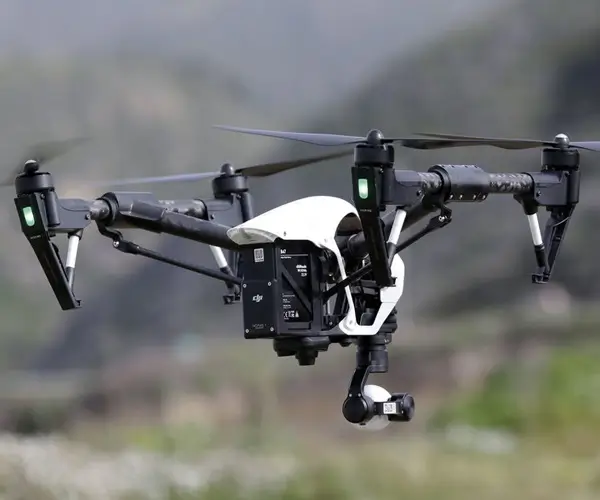
Skipping student verification.If a minor or an uncertified person flies under your watch and an incident occurs, the absence of a signed acknowledgment and age proof shifts blame squarely to you.
Flying an unregistered or non-compliant airframe.The aircraft, not the pilot, is the vehicle of the violation. Seizure is a realistic outcome in enforcement actions.
Each of these is preventable with a single habit: a written pre-flight checklist that names the aircraft serial, the zone coordinates, the student's certification status, and the go/no-go criteria. Run it every session. File it. The document costs you ten minutes; its absence can cost you the business.
Practical Questions Before You Take a Student
Before the next session, walk through this short list:
1. Is the aircraft registered and, where required, is remote ID active?
2. Does my operating certificate explicitly cover instructional flights?
3. Have I confirmed the student's age and, where needed, a parent or guardian's written consent?
4. Do I hold a commercial liability policy that names instructional operations?
5. Have I logged the launch site's no-fly zone status for the current date?
6. Is there a written go/no-go brief the student signs before touching the controller?
Answer "no" to any one, and pause. Fix it first.
4. Practical Questions Before You Choose a UAV Coach Program
Q: Does the law treat a first-time student differently from a certified pilot in training?
A: Yes, in most frameworks. A first-time recreational student may only fly under your direct visual supervision at reduced altitude and range. A student working toward a professional certificate has different supervisory requirements. Confirm which category your student falls into before planning the session.
Q: What happens if a student crashes the coach's aircraft?
A: Liability typically follows the operator in control at the moment of the incident. If you handed the controller to the student, you are the named operator. This is why commercial liability insurance must explicitly cover instructional use, and why a signed risk-acknowledgment form is standard practice in structured programs.
Q: Are there laws specific to the UAV platform, not just the pilot?
A: In growing numbers of jurisdictions, yes.Remote ID, maximum weight class, and intended-use categories (recreational vs. commercial) all carry their own compliance obligations tied to the airframe. A coach switching between platforms mid-program must re-verify each one.
Q: How often should a coach re-check local regulations?
A: At minimum, before every new season or change of operating site. Several authorities update no-fly zone databases quarterly, and local municipal ordinances can shift on shorter cycles. A calendar reminder set to the relevant authority's update cycle is the simplest safeguard.
Making a Better Long-Term Decision
Compliance is not a one-time checkbox. It is a practice—repeated, documented, and reviewed—every time a student lifts off. The coaches who treat it as a routine, not a hurdle, build programs that survive audits, satisfy insurers, and earn the trust of the students they bring into the sky.
If you are still mapping out which regulations apply to your specific operation, or you want a second set of eyes on your insurance scope, a short consultation with a regulatory specialist or your local authority's pilot office costs far less than a fine. And for the hardware side—selecting a platform whoseremote IDand weight class fit your instructional use—reaching out to a supplier for an engineering review before you commit to a fleet keeps the entire chain legal from the ground up.
The sky is not the only thing you are managing. The paperwork is part of the flight, too.
Update Time:2026-10-02

Contact Kpower's product specialist to recommend suitable motor or gearbox for your product.


