
























テクニカルサポート


発行済み 2026-07-06
簡単な回答
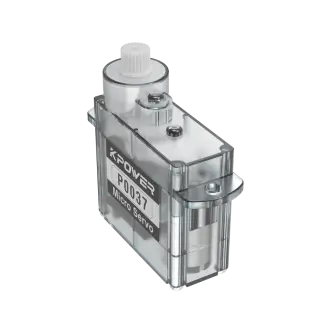
車のステアリングサーボ電気信号を正確な機械的動作に変換して、車両の車輪のステアリング角度を制御します。 DC モーター、ギア減速システム、位置フィードバック センサーを使用して、正確で再現性のあるステアリング コマンドを実現します。のサーボの出力軸はステアリングリンケージに直接接続されており、コントローラーからの入力に基づいてリアルタイムに調整できます。このメカニズムは、正確なステアリング制御が必要な遠隔制御車、自動運転車、ロボット工学にとって重要です。ステアリングが適切に機能しない場合サーボ、車両は安定した軌道を維持できず、方向コマンドに確実に応答できません。
導入
すべての遠隔制御車、自律型ロボット、または小型車両は、電子コマンドを正確な機械的回転に変換する方法という同じ基本的な問題に直面しています。ステアリング システムは、ミリ秒単位で応答できるほど高速で、ラインを維持できるほど正確で、何千回ものサイクルに耐えられるほど耐久性がなければなりません。しかし、多くの設計者やバイヤーは、小型ステアリング サーボ内部の複雑さを過小評価しています。サーボが弱かったり、サーボの適合が適切でなかったりすると、動作中のドリフト、回転半径の低下、過熱、または完全な故障が発生します。のステアリングサーボ機構は単なるギア付きモーターではなく、車両がコマンドに従うかコースを逸脱するかを決定する閉ループ制御システムです。その仕組みを理解することが、アプリケーションに適切なコンポーネントを選択するための第一歩です。
目次
1. ステアリングサーボ内部のコアコンポーネント
2. ギアトレインが速度をトルクに変換する仕組み
3. フィードバックポテンショメータの役割
4. PWM 信号がステアリング角度を制御する理由
5. 一般的なステアリングサーボの種類とその違い
6. サーボを車両のステアリング負荷に合わせる方法
7. ステアリング性能に影響を与える主な仕様
8. ステアリングサーボの設計について購入者からよくある質問
9. アプリケーションに適したステアリング サーボの選択
ステアリングサーボ内部のコアコンポーネント
一般的なステアリング サーボは、モーター、歯車列、フィードバック機構という 3 つの主要なサブシステムで構成されています。モーターは通常、低トルクで高速回転する DC モーターです。その後、その速度はギアトレインによって減速され、増幅されます。ギアトレインは、出力速度を低下させながらトルクを増加させる一連の減速ギアです。最終出力シャフトはステアリングリンケージに直接接続されます。この閉ループ設計が特徴です。サーボシンプルなモーターから。フィードバックがなければ、システムは指令された位置に到達したかどうかを知ることができません。
ギアトレインが速度をトルクに変換する仕組み
ギア トレインはステアリング サーボの機械の心臓部です。モーターから高速回転を受け取り、一連のギア (多くの場合プラスチック、金属、またはハイブリッド) を通じて減速して、出力シャフトに高トルクを生成します。減速比は、サーボがステアリングリンケージにどれだけの力を加えることができるかを直接決定します。連続荷重に耐え、起伏のある地形からの衝撃荷重にも対応できます。プラスチックギアはより静かで安価かもしれませんが、繰り返しの応力や衝撃により摩耗する可能性が高くなります。
フィードバックポテンショメータの役割
ステアリングサーボ内のポテンショメータは位置センサーとして機能します。出力シャフトに機械的に接続されており、シャフトが回転すると抵抗が変化します。制御回路はこの抵抗値を読み取り、入力 PWM 信号からの指令された位置と比較します。実際の位置が指令された位置と一致しない場合、回路は誤差が修正されるまでモーター電圧を調整してシャフトを駆動します。この継続的な調整は 1 秒間に何度も行われ、サーボの特徴である正確で安定した保持動作が生み出されます。ポテンショメータが摩耗したり汚れたりすると、ドリフトやジッタが発生し、ステアリングが一定の角度を維持できなくなります。長期的な信頼性を確保するには、フィードバック メカニズムを定期的に検査することが不可欠です。
PWM 信号がステアリング角度を制御する理由
ステアリング サーボはパルス幅変調 (PWM) 信号によって制御されます。決定パルスの幅は、出力シャフトの目標角度をパルスします。標準的なサーボは 20 ミリ秒ごとのパルスを予期します。 1.0 ミリ秒のパルスはシャフトをその移動の一端に駆動し、1.5 ミリ秒のパルスはシャフトを中心に移動させ、2.0 ミリ秒のパルスはシャフトを反対側の端に駆動します。そしてそれをフィードバック位置と比較します。これが理由ですPWM制御は非常に広く使用されており、シンプルで信号線が 1 本だけ必要であり、さまざまなメーカー間で一貫したパフォーマンスを提供します。ただし、すべてのサーボがパルス幅を同じように解釈するわけではないため、特定のサーボ モデルに一致するようにコントローラーを調整する必要があります。
一般的なステアリングサーボの種類とその違い
ステアリングサーボには、サイズ、トルク、制御ロジックに基づいていくつかのタイプがあります。アナログサーボ単純なコンパレータ回路を備えた連続フィードバック ループを使用します。よりシンプルで安価ですが、位置を保持しているときでも電力を消費します。デジタルサーボマイクロプロセッサを使用してモーターをより高い周波数で駆動することで、より高速な応答、より強力な保持トルク、およびより低いアイドル電流消費が実現します。これらのカテゴリ内では、サーボは物理的なサイズによっても分類されており、小型車両では標準、マイクロ、ミニが最も一般的です。もう一つの違いは、コアレスモーターそしてブラシ付きモーターコアレス設計は、過負荷に対する感度が高まるという犠牲を払って、より高い効率とよりスムーズな動作を提供します。
サーボを車両のステアリング負荷に合わせる方法
適切なステアリング サーボを選択するには、そのトルク出力を車両の実際のステアリング負荷に一致させる必要があります。ステアリング負荷は車両の重量、ステアリングリンケージの摩擦、タイヤのグリップ、路面状態によって異なります。簡単なルールは、最悪の場合の条件下で計算された最大ステアリング負荷の少なくとも 1.5 倍の定格トルクを持つサーボを選択することです。サーボのサイズが小さいと、低速時や摩擦の多い路面での操縦が難しくなり、過熱や早期故障につながります。サイズを大きくしすぎると、不必要な重量とコストが増加しますが、安全マージンが得られます。トルク出力は供給電圧によって変化するため、購入者はサーボの動作電圧も確認する必要があります。 6V 定格のサーボは、5V で動作するとトルクが低下します。
ステアリングパフォーマンスに影響を与える主な仕様
トルクと速度以外にも、ステアリング サーボが実際のアプリケーションでどの程度優れた性能を発揮するかは、他のいくつかの仕様によって決まります。動作電圧範囲 defines the acceptable power supply window. ストールトルク is the maximum torque the servo can produce before stopping, but continuous operation near stall can damage the motor and gears. Transit time is the time required to move from one end of travel to the other at a specified voltage. 解決 refers to the smallest incremental angle the servo can achieve, which is determined by the number of steps in the feedback system. 不感帯幅 is the range of input error that the servo ignores before correcting. A narrower dead band provides tighter control but can cause oscillation if the feedback system is noisy.
Questions Buyers Often Ask About Steering Servo Design
Q: What is the difference between a standard servo and a steering servo?
A standard servo is a general-purpose device used for various angular movements, while a steering servo is specifically designed for higher torque, faster response, and continuous load handling in steering applications. Steering servos often feature metal gears and higher-resolution feedback.
Q: How do I know if my servo has enough torque for my vehicle?
Calculate the steering load by measuring the force required to turn the wheels manually at rest on a high-friction surface. Multiply that force by the lever arm length to get torque. Then select a servo with a rated torque at least 1.5 times that value.
Q: Can I use a plastic-gear servo for a heavy vehicle?
Plastic-gear servos are suitable for lightweight or low-torque applications. For vehicles above a certain weight threshold or those operating on rough terrain, metal-gear servos are recommended because they resist stripping and maintain alignment under shock loads.
Q: Why does my steering servo jitter or drift?
Jitter or drift is often caused by a worn potentiometer, electrical noise on the signal wire, insufficient power supply voltage, or a loose gear train. Check the feedback mechanism and power source first before replacing the servo.
Q: Is a digital servo always better than an analog servo?
Digital servos offer faster response, higher holding torque, and better efficiency, but they cost more and may be more sensitive to voltage fluctuations. For high-performance or autonomous applications, digital servos are generally preferred. For basic hobby projects, analog servos often suffice.
Q: How does the gear ratio affect steering speed and torque?
A higher gear ratio increases torque but reduces the speed of the output shaft. A lower ratio increases speed but decreases torque. The optimal ratio balances the steering response time with the required holding force for the specific vehicle.
Q: What happens if I use the wrong PWM signal frequency?
Using an incorrect PWM frequency or pulse width range can cause the servo to not reach its full travel range, overshoot, or fail to respond. Always verify that the controller's PWM parameters match the servo's specifications.
Q: How long does a steering servo typically last?
Lifespan depends on operating conditions, load, and maintenance. A well-matched servo running within its specifications can last thousands of hours. Overloading, dirt ingress, and inadequate lubrication reduce lifespan significantly.
Q: Can I repair a servo that has stripped gears?
In many cases, stripped gears can be replaced if the servo manufacturer offers replacement gear sets. However, if the motor or control board is damaged, replacement of the entire servo is often more cost-effective.
Q: Does the steering servo need calibration?
Many digital servos and advanced controllers support calibration to match the pulse width range to the servo's mechanical travel limits. Calibration ensures full travel without binding and improves positional accuracy.
Choosing the Right Steering Servo for Your Application
The steering servo is the single most important component for directional control in any small-scale or autonomous vehicle. A correct match between servo torque, speed, and the vehicle's steering load ensures stable performance, long service life, and predictable response. Buyers should always verify the gear material, feedback type, and operating voltage before making a selection. If your application involves continuous operation, high vibration, or rough terrain, prioritize metal-gear digital servos with a torque margin of at least 50 percent above your calculated load. The right servo will not only improve your vehicle's handling but also reduce maintenance frequency and downtime. If you are unsure which servo fits your specific steering mechanism, compare your current torque requirements with your supplier's サーボモータの選定 guide. A small investment in specification verification now prevents costly field failures later.
更新時間:2026-07-06


