



























テクニカルサポート


発行済み 2026-07-08
SEO タイトル: どのようにしてサーボモーターの仕事?制御方法の実践ガイド
メタ ディスクリプション: の動作原理と制御方法を理解するサーボモーター。 PWM、フィードバック ループ、トルクが産業用アプリケーションのモーション制御にどのような影響を与えるかを学びます。
簡単な回答
あサーボモーターは、目標位置またはトルクをエンコーダまたはレゾルバからの実際のフィードバックと比較する閉ループ制御システムで動作します。出力を継続的に調整して誤差を最小限に抑えます。中心的な制御方法はパルス幅変調 (PWM) で、電気パルスの幅によってモーターの角度位置または速度が決まります。速度フィードバックと正確な信号制御のこの組み合わせにより、サーボ モーターは、CNC 加工、ロボット工学、ライン パッケージングなど、正確な動作を必要とするアプリケーションに最適になります。包装なし。制御信号を負荷要件に適切に調整または一致させると、パフォーマンスが急速に低下します。
導入
生産ラインが何度も停止してしまう。ロボット アームは、サイクルごとに目標位置をミリメートル単位でオーバーシュートします。包装機では、各動作のタイミングがミリ秒単位でずれているため、製品が拒否されます。
これらの症状には、モーション コントロールが不十分であるという共通の根本があります。エンジニアや調達管理者は、エンコーダを備えたモーターはすべてサーボとして適格であると想定することがよくあります。実際には、信頼性の高い位置決めと永続的なドリフトの違いは、モーターが制御信号を解釈し、モーター自体の動作を修正する方法にあります。
サーボ制御を誤解すると、材料の無駄、サイクルタイムの遅延、メンテナンスの増加、不合格率の上昇といった直接的な代償が発生します。モーションコンポーネントを評価する購入者にとって、問題は単に「動くかどうか」ではなく、「変動する負荷の下でどのように位置を保持するか」です。
動作原理や制御方法を理解することは学問ではありません。これは、正しいシステムを指定し、統合リスクを軽減し、一貫した出力を達成するための基礎となります。
目次
1. 中心原理: 閉ループフィードバック制御
2. パルス幅変調 (PWM) による位置と速度の制御方法
3. 正確な動きを可能にする主要コンポーネント
4. 制御方式:位置、速度、トルクモード
5. サーボ制御選択における一般的なエラー
6. サーボ制御に関して購入者からよくある質問
7. アプリケーションに適した制御アプローチの選択
中心原理: 閉ループフィードバック制御
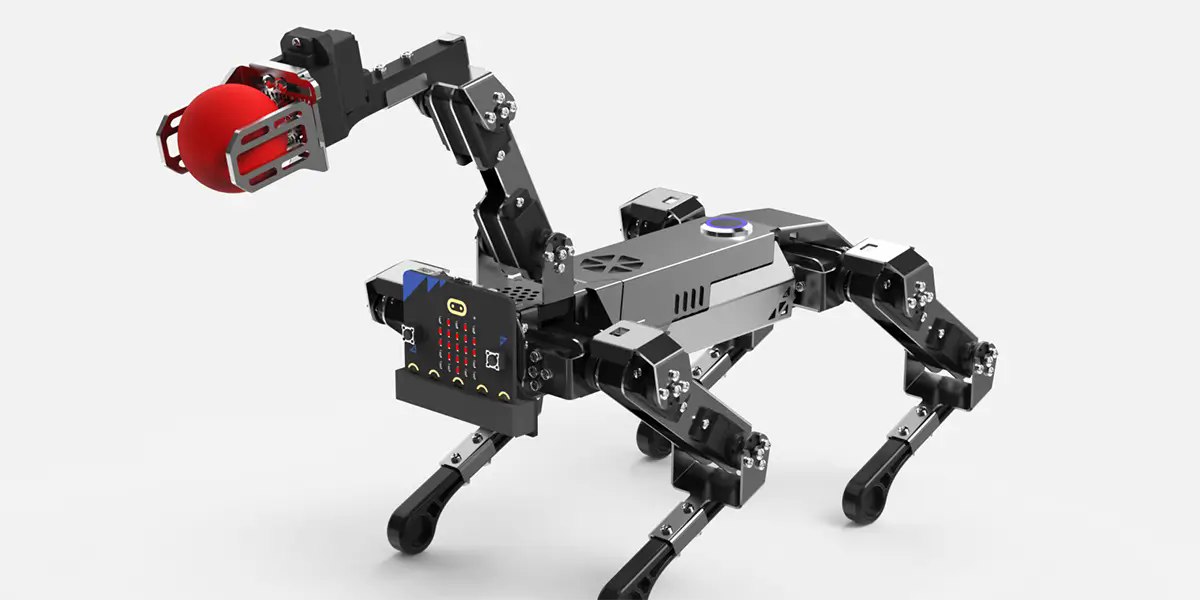
の基本的な違いは、サーボモーター標準モーターはフィードバック ループです。標準的な誘導モーターは開ループで動作します。電力を加えると、実際の位置や速度を報告することなく回転します。
サーボモーターはその逆です。位置、速度、トルクなどの指令値と、フィードバック デバイスによって測定された実際の値を常に比較します。偏差が存在する場合、コントローラーは出力を調整して修正します。この修正は 1 秒あたり数百回または数千回行われます。
この閉ループ アーキテクチャにより、サーボ システムは負荷が変化しても位置を保持できます。ロボット アームが重い部品を持ち上げると、トルク要求が増加します。サーボ コントローラーは速度低下を検出し、エラーが目に見えるようになる前に電流を増やし、アームを指令された位置に戻します。
このフィードバック ループがなければ、最も強力なモーターでも再現性のある位置決めを保証できません。公差がミクロンまたはミリ秒単位で測定されるアプリケーションの場合、閉ループ制御はオプションではありません。
パルス幅変調 (PWM) による位置と速度の制御方法
サーボを制御する最も一般的な方法はパルス幅変調 (PWM) です。 PWM 信号は方形波であり、「オン」パルスの持続時間 (ミリ秒単位で測定) がモーターの応答を決定します。
標準的な位置制御サーボの場合、通常、1.0 ms パルスは一方向の全回転を指令し、1.5 ms パルスは中心 (中立) 位置を指令し、2.0 ms パルスは反対方向の全回転を指令します。コントローラーはパルス幅を読み取り、現在のフィードバック位置と比較し、一致するようにモーターを駆動します。
より高度なデジタル サーボ ドライブでは、PWM はより高い周波数で動作します。周波数が高いほど可聴ノイズが減少し、応答時間が向上します。正確なパルス幅範囲と中性点はメーカーによって異なるため、ドライブの仕様と照らし合わせて確認する必要があります。
PWM による速度制御も同様のロジックに従いますが、パルス幅を固定位置ではなく目標速度として解釈します。連続回転サーボでは、中立点の上下のパルス幅によって方向と比例速度が設定されます。
を選択する購入者にとって、サーボモーターシステム、コントローラーとドライブ間の PWM 互換性を確認することは重要なステップです。信号範囲が一致しないと、動作が不安定になったり、制御が完全に失われたりすることがあります。
正確な動きを可能にする主要コンポーネント
サーボ システムには、モーター、フィードバック デバイス、ドライブ、コントローラーという 4 つの重要な要素が含まれています。
モーター:通常は、急速な加減速用に設計されたブラシレス DC (BLDC) または AC 同期モーターです。
フィードバックデバイス:実際の位置、速度、トルクを報告するエンコーダまたはリゾルバ。レゾルバは高振動環境においてより堅牢であり、エンコーダはより高い解像度を提供します。
ドライブ(アンプ):低電力制御信号をモーター用の高電力電流に変換します。また、フィードバックを解釈して出力を調整します。
コントローラ:システムの頭脳。アプリケーションプログラムに基づいてコマンド信号を生成し、ドライブからフィードバックを受け取ります。
各コンポーネントの品質はシステムのパフォーマンスに直接影響します。高解像度エンコーダは位置精度を向上させますが、システムコストは増加します。リゾルバーは汚れた環境では信頼性が高くなりますが、解像度は低くなります。
購入者は、動作環境、必要な精度、メンテナンス スケジュールに基づいてフィードバック タイプを評価する必要があります。多くの産業用途では、フィードバック デバイスが過度の熱や汚染にさらされたときに最初に故障するコンポーネントです。
制御方式:位置、速度、トルクモード
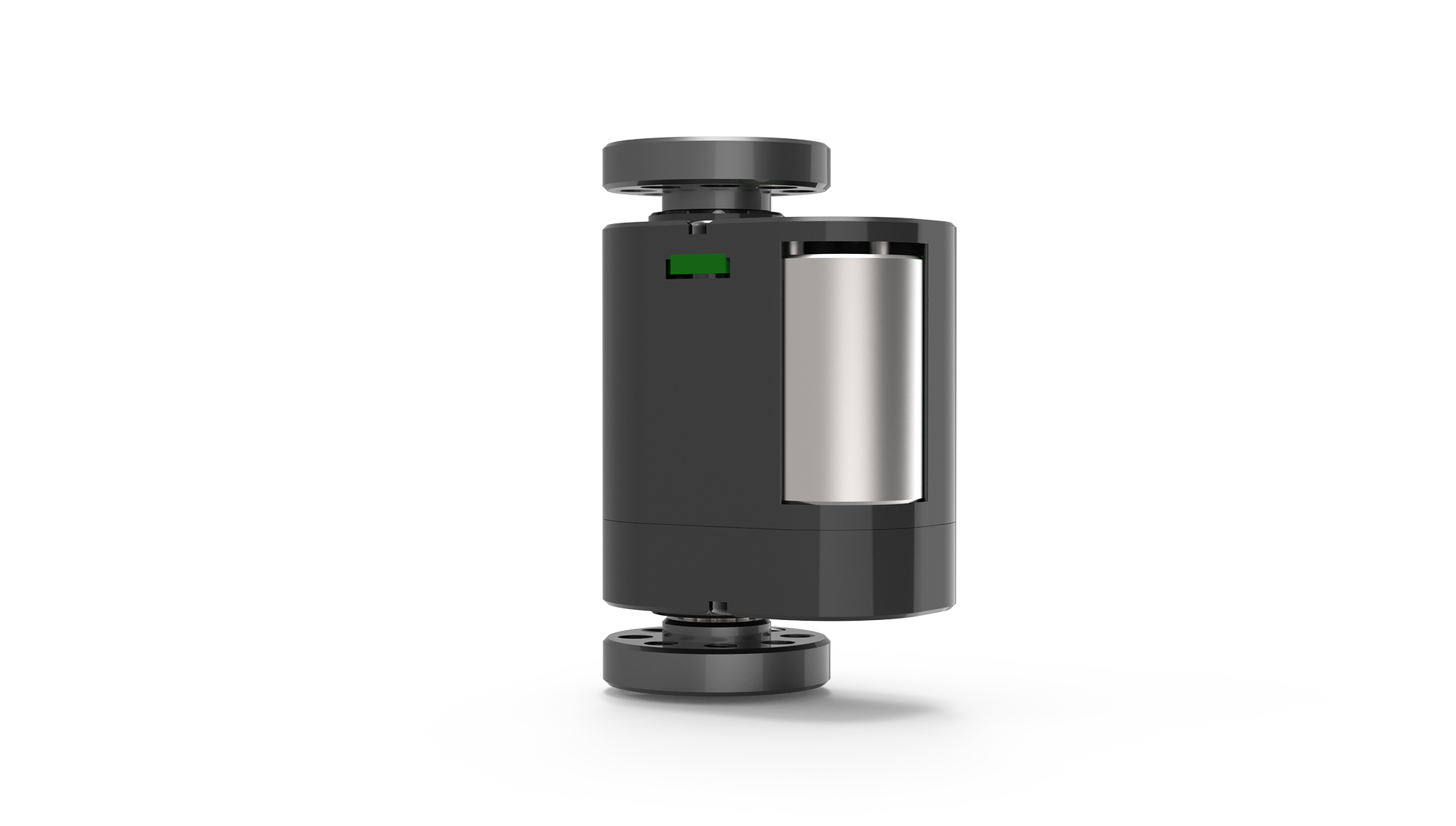
モダンなサーボドライブ複数の制御モードをサポートします。正しいモードの選択は、アプリケーションの要件によって異なります。
位置モード:最も一般的なもの。コントローラが目標位置を送信し、サーボはその位置に指定された加減速度で移動します。ピックアンドプレース、CNC 位置決め、インデックス作成に使用されます。
スピードモード:コントローラーは目標速度を送信します。サーボは、トルク制限内で負荷の変動に関係なく、その速度を維持します。コンベヤ、スピンドル、巻線機などに使用されます。
トルクモード:コントローラは目標電流値を送信します。サーボは速度に関係なく一定のトルクを加えます。張力制御、プレス、クランプ用途に使用されます。
多くの高度なドライブでは、動作中にモードを切り替えることができます。たとえば、機械はプレス段階ではトルク モードを使用し、その後、戻りストロークでは位置モードに切り替えることがあります。
間違ったモードを選択すると、サイクル時間が増加し、プロセスの一貫性が低下します。購入者がサーボを指定するモーションコントロールアプリケーションドライブを選択する前に、主な制御要件を定義する必要があります。
サーボ制御選択における一般的なエラー
いくつかのミスが繰り返されることで、プロジェクトのコストが増加し、試運転が遅れます。
まず、必要なトルクを過小評価します。多くの場合、購入者は平均トルクを計算しますが、加速中のピークトルクは無視します。平均トルクは満たしていてもピーク要求に対応できないサーボ モーターは、失速したり、過電流障害を引き起こしたりする可能性があります。
次に、慣性比を無視します。通常、負荷とモーターの慣性比は 10:1 未満に保つ必要があります。比率が高くなると、調整が困難になり、オーバーシュートが発生し、位置決めの安定性が低下します。
3 番目に、すべての PWM 信号に互換性があると仮定します。サーボ ドライブの製造元が異なれば、使用するパルス幅、論理レベル、または極性が異なる場合があります。制御信号仕様は必ずメーカーにてご確認ください。サーボモーターサプライヤー .
4 つ目は、ケーブルの品質と長さを無視することです。長いケーブルやシールドされていないケーブルは、フィードバック信号にノイズをもたらします。ノイズはジッター、ドリフト、または位置の完全な損失を引き起こします。
5つ目は、システムチューニングを省略することです。適切なサイズのサーボ システムであっても、ゲインを適切に調整しないとパフォーマンスが低下します。チューニングは、コントローラーがエラーにどれだけ積極的に応答するかを調整します。過剰に調整されたシステムは発振します。調整が不十分なシステムは速度が遅く、不正確になります。
サーボ制御に関して購入者からよく寄せられる質問
Q: サーボモーターとステッピングモーターの違いは何ですか?
サーボ モーターは閉ループ フィードバックを使用し、負荷が変化しても位置を維持できます。ステッピング モーターは個別のステップで動作し、多くの場合、開ループで動作します。サーボは、高速、高トルク、または可変負荷のアプリケーションに適しています。ステッパーは、低速、一定負荷のタスク向けに、よりシンプルで低コストです。
Q: アナログサーボドライブとデジタルサーボドライブのどちらを選択すればよいですか?
アナログドライブは±10 V 信号を受け入れますが、シンプルですが精度は低くなります。デジタルドライブは、PWM、フィールドバス、またはイーサネットコマンドを受け入れ、高度なチューニング、診断、およびマルチモード制御を提供します。新しい産業設備では、デジタル ドライブが標準的な選択肢です。
Q: ドライブなしでサーボモーターを使用できますか?
いいえ。サーボ モーターには、低電力制御信号を動作に必要な大電流波形に変換するドライブが必要です。サーボモーターを電源に直接接続すると、制御された動作が生成されず、モーターが損傷する可能性があります。
Q:「サーボチューニング」とは何ですか?
チューニングは、機械システムに一致するようにドライブまたはコントローラーの PID (比例積分微分) ゲインを調整するプロセスです。適切な調整により、オーバーシュート、整定時間、定常状態誤差が最小限に抑えられます。チューニングを誤ると発振やノイズ、応答速度低下の原因となります。
Q: ケーブルの長さはサーボの性能にどのような影響を与えますか?
フィードバック ケーブルが長いと、抵抗が増加し、電気ノイズの影響を受けやすくなります。エンコーダ信号の場合、ケーブル長が 10 ~ 15 メートルを超える場合は、通常、差動信号または信号リピーターが必要です。電源ケーブルはシールドされ、制御ケーブルから分離する必要があります。
Q: サーボモーターのブラシの一般的な寿命はどれくらいですか?
ブラシレスサーボモーターにはブラシがありません。寿命はベアリングの品質、動作温度、負荷によって異なります。一般的な産業環境では、ブラシレス サーボ モーターはベアリングの交換が必要になるまで 20,000 ~ 40,000 時間動作します。
Q: サーボモーターは電力なしでも位置を保持できますか?
いいえ、ほとんどのサーボ モーターには機械的ブレーキがありません。電源が遮断されると、別個の保持ブレーキが組み込まれていない限り、モーターは空転します。垂直軸または重力負荷軸の場合は、安全のためにブレーキが必要です。
Q: インクリメンタルエンコーダとアブソリュートエンコーダの違いは何ですか?
インクリメンタル エンコーダは、基準点からの相対位置の変化を報告します。アブソリュートエンコーダは、電源喪失後も常に正確な位置を報告します。アブソリュートエンコーダを使用すると、ホーミングルーチンの必要がなくなりますが、コストが高くなり、一部の設計ではバッテリバックアップが必要になります。
アプリケーションに適した制御アプローチの選択
サーボ制御方法の選択は、動作プロファイルを定義することから始まります。タスクは位置が重要か、速度が重要か、またはトルクが重要ですか?その答えによって、位置、速度、またはトルク モード システムが必要かどうかが決まります。
次に動作環境を評価します。高温、振動、または電気的ノイズは、フィードバックの種類、ケーブル仕様、およびドライブ エンクロージャの定格に影響を与えます。産業用サーボモーター溶接ラインの近くに設置される場合は、クリーンルーム内に設置される場合とは異なる保護が必要です。
次に、コントローラーの互換性を考慮します。すべてのコントローラがすべてのフィールドバス プロトコルをサポートしているわけではありません。既存のPLCがEtherCATを使用している場合、サーボドライブがEtherCATをサポートしている必要があります。プロトコルの不一致は、統合の一般的な障害となります。
最後に、詳細な仕様、アプリケーションのサポート、チューニングのガイダンスを提供するサプライヤーと協力します。サーボ システムはプラグ アンド プレイ コンポーネントではありません。かろうじて動作するシステムと、一貫したスループットを提供するシステムとの違いは、多くの場合、適切なサイジング、制御方法の選択、および試運転サポートによって決まります。
でキロパワーサーボでは、購入者がモーション要件を評価し、制御方法をアプリケーションのニーズに合わせて、一般的な統合エラーを回避できるよう支援します。現在サーボ オプションを比較している場合、または適切な制御アプローチの選択に支援が必要な場合は、アプリケーションの詳細を添えて当社のエンジニアリング チームにお問い合わせください。
更新時間:2026-07-08


