
























テクニカルサポート


発行済み 2026-07-10
簡単な回答
標準的な工業用サーボモーターの価格は、電力定格、フィードバックの種類、ブランドによって異なりますが、通常、ユニットあたり 300 ドルから 2,500 ドルの間です。低電力DCサーボ軽自動化用のモーターは約 100 ドルから始まりますが、高トルク AC はサーボドライブを備えたシステムの価格は 4,000 ドルを超える場合があります。総コストはモーター自体だけではありません。サーボドライブ、ケーブル、コネクタ、プログラミング時間を考慮する必要があります。ほとんどの調達決定では、完全なサーボ システムの軸ごとの予算は 800 ドルから 3,500 ドルの範囲になります。価格は用途によって大きく異なるため、必ず特定のトルク、速度、環境要件に基づいて見積もりを依頼してください。
導入
生産ラインが止まってしまいます。包装機がサイクルの途中で位置を失います。ロボットアームは持続的な振動を発生させます。このような故障が発生した場合、最初に疑問になるのはいつも同じです。サーボモーターの交換にはどれくらいの費用がかかるのでしょうか?しかし、実際のコストがモーターの価格だけであることはほとんどありません。モーターの価格だけを比較する購入者は、ドライブ、フィードバック ケーブル、セットアップの手間、互換性テストを見落とすことがよくあります。これらの隠れたコストにより、予算が 2 倍になる可能性があります。さらに悪いことに、最も安価なオプションを選択すると、数か月以内に失敗が繰り返されることがよくあります。サーボ モーターの価格設定の要因を理解することは、このような高価なサイクルを回避するのに役立ちます。
目次
1. サーボモーターの価格は何によって決まるのか
2. モータ種類別の価格帯
3. システムの総コストがより重要である理由
4. 価格に影響を与える主な仕様
5. 購入者が犯すよくある価格設定の間違い
6. 見積もりを効果的に比較する方法
7. サーボモーターの価格について購入者からよく聞かれる質問
8. 予算に応じて適切なサーボ モーターを選択する
サーボモーターの価格を決めるもの
サーボモーターの価格は任意ではありません。エンジニアリングおよびサプライ チェーンのいくつかの要素は、見積もりの最終的な数値に直接影響します。
出力とトルクの定格が主な推進力です。 100W サーボ モーターのコストは、材料、銅巻線、磁気コア、熱放散の要件が大きくなるため、3kW ユニットよりもはるかに低くなります。より高いトルク密度の設計には、より優れた磁石とより厳しい製造公差が必要です。
フィードバックデバイスの種類コストが大幅に変わります。標準のインクリメンタル エンコーダを使用すると多少の費用がかかりますが、バッテリ バックアップ付きのアブソリュート エンコーダや高分解能レゾルバを使用すると、モータの価格が 30% ~ 50% 増加する可能性があります。マルチターンアブソリュートエンコーダは、安全性が重要なアプリケーションに必要となることが多く、最高のプレミアムが要求されます。
ブランドと製造元大きな価格差を生み出します。確立されたヨーロッパおよび日本のブランドは、通常、同等の中国または台湾のブランドよりも 40% ~ 70% 高い価格です。この違いは、コンポーネントの品質だけでなく、テスト基準、認証コスト、アフターセールス サポート インフラストラクチャを反映していることがよくあります。
カスタマイズ要件価格を押し上げる。特殊なシャフト寸法、さまざまなコネクタ タイプ、IP65 または IP67 の環境保護、保持ブレーキ、カスタム ケーブル長などによりコストが増加します。標準カタログユニットは、変更内容に応じて 20% ~ 100% の価格上昇で特注品になる場合があります。
注文数量も重要です。単一ユニットの購入では、ユニットあたりの価格が最も高くなります。 50 ~ 200 ユニットの大量注文の場合、多くの場合、15% ~ 30% の割引が適用されます。ただし、大量の割引の場合は 8 ~ 16 週間の納期が必要になる場合があります。
モータータイプ別の価格帯
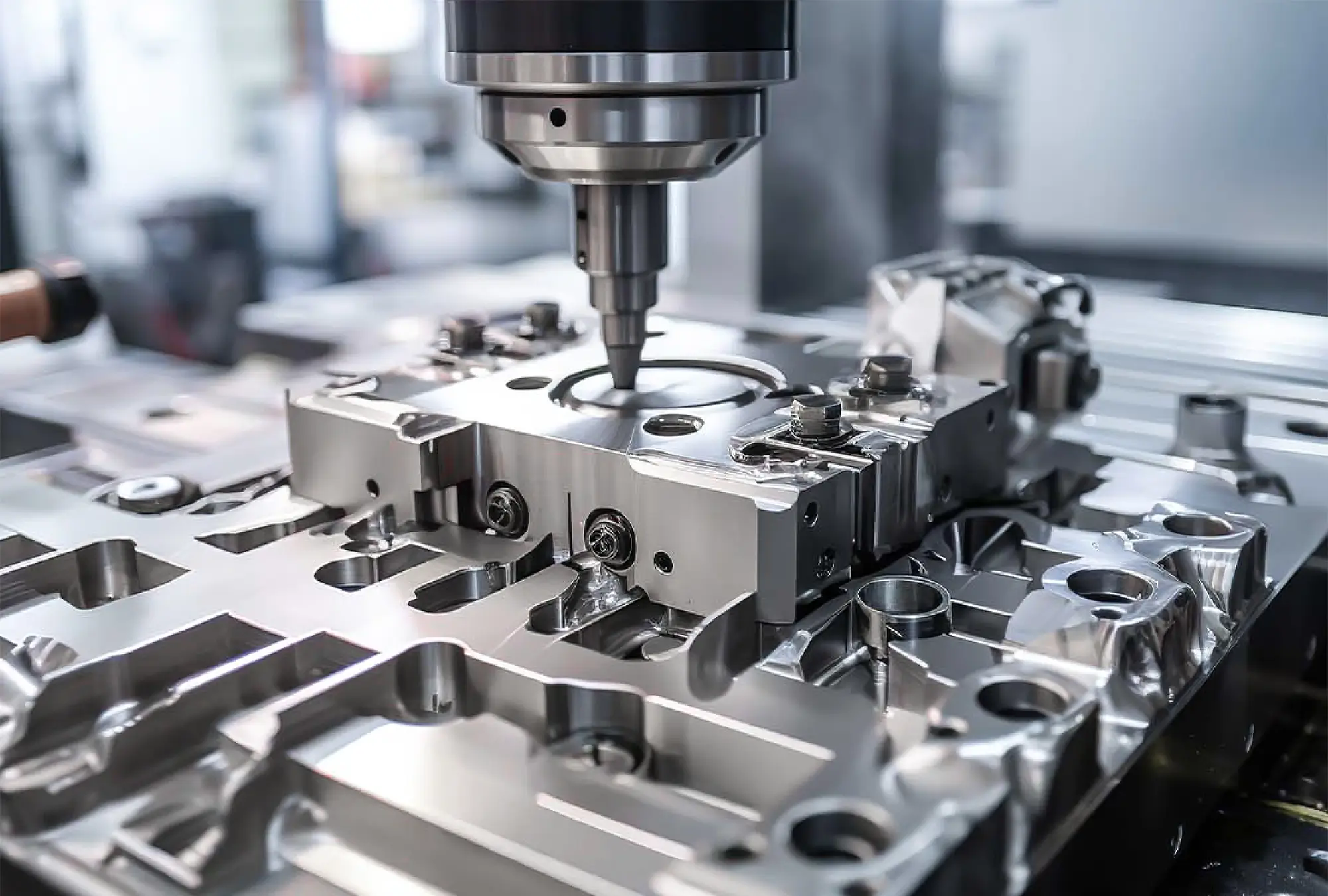
サーボ モータのタイプが異なれば用途も異なり、価格はそれらの設計上の優先順位を反映しています。
低電力DCサーボモーター(50W ~ 400W) の範囲は通常、100 ドルから 600 ドルです。これらは、小型のピックアンドプレースユニット、実験装置、および軽量コンベヤシステムで一般的です。多くの場合、より単純なフィードバックと低グレードの磁石が使用されます。
Medium-power AC servo motors (500W to 3kW) are the most widely purchased. Prices range from $400 to $1,800 for the motor alone. When paired with a compatible servo drive, the system cost typically lands between $800 and $2,500 per axis. This range covers most packaging, material handling, and general automation applications.
High-power servo motors (3kW to 15kW) cost $1,500 to $4,500 or more. These are used in heavy machining, large printing presses, and high-torque robotic joints. They require larger drives, thicker cables, and often forced cooling, all of which increase total system cost.
Specialty servo motors for explosion-proof environments, food-grade washdown, or vacuum applications typically start at $2,000 and can exceed $6,000. These units require specific material certifications, special seals, and documented testing.
Why Total System Cost Matters More
Focusing only on the motor price is a common procurement mistake. A servo motor cannot operate without a compatible サーボドライブ , and the drive often costs as much as or more than the motor.
A typical servo system includes:
サーボモーター
Servo drive (amplifier)
Feedback cable
Power cable
Connectors and mating components
Mounting hardware
Software or tuning setup
Shipping and potential import duties
For a medium-power axis, the motor might represent only 40% to 50% of the total component cost. The drive adds another 30% to 40%, and cables, connectors, and setup labor make up the remainder.
When replacing an existing servo motor, compatibility becomes critical. Using a different motor brand than the existing drive may require rewiring, parameter reconfiguration, and full tuning. These engineering hours add $500 to $2,000 to a replacement project.
Key Specifications That Affect Price
When evaluating quotes, pay attention to these specifications. They directly impact both price and performance.
Rated torque and peak torque define what the motor can do. A motor with higher peak torque capacity often costs more but allows for smaller motor selection in high-start applications. Understand your actual load profile before comparing torque values.
定格速度 affects motor design. Standard servo motors operate at 3000 or 4500 RPM. Higher speed motors require better bearings and dynamic balancing, increasing cost by 10% to 20%.
ローター慣性モーメント matters for dynamic performance. Low-inertia motors accelerate faster but cost more to manufacture. They are preferred for high-speed positioning. High-inertia motors are cheaper but slower to respond.
フィードバックの解決策 directly correlates to accuracy. A 17-bit absolute encoder provides finer position control than a 13-bit incremental encoder. The higher resolution encoder alone can add $100 to $300 to motor cost.
Ingress protection rating affects environmental suitability. A standard IP20 motor is cheaper but cannot handle washdown environments. An IP67 motor costs 25% to 40% more but lasts significantly longer in wet or dusty conditions.
Common Pricing Mistakes Buyers Make
Comparing motor prices without drive compatibility. Two motors may look similar on paper but require different drive models. The drive cost difference can negate any motor price advantage.
Ignoring cable and connector costs. OEM cables from some servo brands cost $100 to $400 per cable assembly. Third-party alternatives exist but may void warranty or degrade signal integrity.
Choosing based on power rating alone. A 1kW motor from one brand may have significantly different torque at low speed than a 1kW motor from another brand. Compare torque curves, not just power numbers.
Assuming all servo motors are interchangeable. Physical mounting dimensions, shaft keyway size, flange patterns, and electrical connector types vary by brand. Retrofit projects often require adapter plates and custom cables, adding significant cost.
Not factoring in tuning and commissioning time. A plug-and-play servo system costs more upfront but saves hours of setup time. Budget systems may require extensive parameter adjustment, especially when integrating with existing PLCs or motion controllers.
How to Compare Quotes Effectively
Use a structured comparison method when evaluating servo motor suppliers.
Request a complete system quote. Ask for motor, drive, cables, connectors, and any software licensing fees in one line item. This prevents surprise costs later.
Verify warranty terms and return policy. Standard warranties range from 12 to 36 months. Some brands prorate warranty coverage, while others offer full replacement. Clarify this before ordering.
Ask about technical support. Free phone or email support during commissioning is common with premium brands. Budget brands may charge for engineering assistance or lack local support entirely.
Check lead time for replacements. A cheaper motor with a 12-week lead time costs more in downtime than a slightly more expensive motor available in 2 weeks. Delivery reliability is a real cost factor.
Evaluate total cost of ownership, not purchase price. A motor that uses 5% less energy may pay back the price difference within two years of continuous operation. A motor that fails after 18 months costs much more than one lasting five years.
Questions Buyers Often Ask About Servo Motor Pricing
Q: Why do servo motors cost so much more than standard AC motors?
Servo motors include high-resolution feedback devices, precision bearings, optimized magnetic designs, and tighter manufacturing tolerances. They are built for precise position and speed control, unlike standard induction motors designed for constant speed.
Q: Can I use a used or refurbished servo motor to save money?
Yes, but verify the feedback device condition, bearing wear, and cable integrity. Refurbished motors typically cost 40% to 60% less than new but may have limited warranty and unknown operating history.
Q: Does a higher price always mean better quality?
Not always, but in many cases it reflects more rigorous testing, better materials, and longer warranty coverage. Compare specifications, not just price. Some mid-range brands offer excellent reliability at 30% lower cost than premium brands.
Q: How much should I budget for a complete servo system per axis?
For a typical 750W to 1.5kW axis, budget $1,200 to $2,800 for motor, drive, and cables. Higher torque or specialty requirements push this to $3,500 or more.
Q: Are Chinese servo motors reliable?
Many Chinese servo brands have improved significantly in recent years. Reliability depends on the specific manufacturer and quality control processes. Request reference installations and verify warranty terms before purchasing.
Q: What is the most common hidden cost in servo procurement?
Cables and connectors. OEM feedback cables can cost $150 to $400 each. Custom cable lengths add further cost. Always request cable pricing in your initial quote.
Q: How does the feedback type affect price?
Incremental encoders add minimal cost. Absolute encoders, especially multi-turn types, add $100 to $300. Resolvers, used in harsh environments, cost more but offer better durability.
Q: Should I buy a servo motor with an integrated drive?
Integrated servo motors simplify wiring and save cabinet space. They cost 10% to 20% more than separate components but reduce installation labor and troubleshooting time.
Q: Can I negotiate servo motor pricing for a single unit?
Single-unit pricing is usually fixed, especially from authorized distributors. Volume orders of 10 or more units often allow negotiation. Asking for a better price on one unit is rarely successful.
Q: How do I know if a servo motor price quote is fair?
Compare the per-axis system cost against three or four suppliers for the same torque, speed, feedback type, and IP rating. Price differences beyond 20% usually indicate different specification levels or brand positioning.
Choosing the Right Servo Motor for Your Budget
The best servo motor for your application is rarely the cheapest or the most expensive. It is the one that matches your torque and speed requirements, fits within your existing control architecture, and comes from a supplier with reliable delivery and support.
Start by defining your load profile, environmental conditions, and required feedback precision. Then request quotes for the complete system, not just the motor. Compare total cost of ownership, including expected lifespan, energy consumption, and potential downtime costs.
If your application demands high precision and long-term reliability, investing in a reputable brand with a 36-month warranty and local technical support is justified. For simple speed control applications with low duty cycles, a mid-range servo motor from a reliable distributor may be a smarter financial choice.
When you are ready to evaluate specific options, send your torque and speed requirements, operating environment details, and preferred feedback type to キロパワーサーボ or another qualified supplier. A detailed comparison of motor specifications and system pricing will help you make a confident, cost-effective decision.
更新時間:2026-07-10


