
























テクニカルサポート


発行済み 2026-07-15
正しい選択サーボ制御ボードは、高性能オートメーション システムを維持するために重要です。でキロパワー、当社は正確なモーション制御を実現する制御ボードを設計し、産業用途における信頼性と効率を確保します。当社のソリューションは、現代の製造業の厳しい要求を満たすように設計されており、シームレスな統合と優れたパフォーマンスを提供します。
正しいものを選択するサーボ制御ボードは産業オートメーション システムの最適化に不可欠です。正しい選択をすると、精度、信頼性、効率が確保されますが、間違った選択をすると、コストのかかるダウンタイムやパフォーマンスの問題が発生する可能性があります。このガイドでは、理想的な製品を選択するための重要な考慮事項について説明します。サーボ技術仕様、互換性、長期的な価値に重点を置いた制御ボード。これらの要因を理解することで、企業は情報に基づいた意思決定を行うことができ、運用効率を高め、総所有コストを削減できます。
01目次
1. サーボ制御において精度が重要な理由
2. 評価すべき主要な技術仕様
3. 互換性と統合の課題
4. コストとパフォーマンス: 賢い選択をする
5. サーボ選択におけるよくある落とし穴
6. 購入前の実際的な質問
7. 長期信頼性の確保
02サーボ制御において精度が重要な理由
サーボ制御の精度は製品の品質と生産効率に直接影響します。位置決めやタイミングが不正確だと、製品の欠陥、スクラップ率の増加、機械の摩耗が発生する可能性があります。電子機器組立、医療機器製造、自動車生産などの業界では、わずかな逸脱でも重大な影響を与える可能性があります。
サーボ制御ボードの中核機能は、デジタルコマンドを正確な機械的な動きに変換することです。これには、高解像度のフィードバック ループ、高度なアルゴリズム、安定した電力供給が必要です。適切に設計された制御ボードは、時間の経過によるエラーの蓄積を最小限に抑え、マシンのライフサイクル全体を通じて一貫したパフォーマンスを保証します。

高品質の制御テクノロジーへの投資は、メンテナンスの削減、エラーの減少、スループットの向上によって報われます。精度を優先する企業では、歩留まりの向上と運用コストの削減により、数か月以内に投資収益率が得られることがよくあります。
03評価すべき主要な技術仕様
サーボ制御ボードを評価する場合、いくつかの技術仕様が性能の重要な指標として際立ちます。これらのパラメータによって、ボードが特定のアプリケーションの要求をどの程度うまく処理できるかが決まります。
解像度は、位置フィードバックの詳細レベルを指します。解像度が高くなると、より細かい制御動作が可能になります。これは、ミクロンレベルの精度が必要なタスクにとって非常に重要です。応答時間は、システムがコマンド信号の変化にどれだけ早く反応できるかを決定します。応答時間が短縮されると、動作プロファイルがよりスムーズになり、動的負荷をより適切に処理できるようになります。
トルク制御機能によって、同期を失わずにさまざまな負荷を管理するボードの機能が決まります。これは、抵抗や慣性が変動するアプリケーションでは特に重要です。 EtherCAT、CANopen、Modbus などの通信プロトコルは、制御ボードが既存の PLC または SCADA システムとどの程度簡単に統合できるかに影響します。
熱管理は見落とされがちですが、継続的な運用には不可欠です。過度の熱により電子コンポーネントが劣化し、早期故障につながる可能性があります。堅牢な冷却設計を備えたボードは、継続的な頻繁な使用下でもパフォーマンスの安定性を維持します。
04互換性と統合の課題
新しいサーボ制御ボードを既存のシステムに統合するには、重大な課題が生じる可能性があります。非互換性の問題は、電圧要件、信号タイプ、またはソフトウェア アーキテクチャの違いから発生する可能性があります。これらの不一致により、通信エラー、不安定な動作、または完全なシステム障害が発生する可能性があります。
購入する前に、制御ボードが施設で使用されている必要な通信規格をサポートしていることを確認してください。多くのレガシー システムは、新しいボードではネイティブにサポートされていない可能性がある古いプロトコルに依存しています。アダプターまたはミドルウェアが必要になる場合があり、複雑さが増し、障害が発生する可能性があります。
電圧と電流の定格もモーターの仕様と一致する必要があります。必要な電流より低い定格の制御基板を使用すると、過熱や損傷が発生する可能性があります。逆に、過剰な仕様を指定すると、目に見えるメリットが得られずに不必要なコストが発生する可能性があります。
ソフトウェアの互換性も重要な要素です。制御ボードは、すでに使用されているプログラミング環境および制御ソフトウェアとシームレスに動作する必要があります。独自のエコシステムはユーザーを特定のベンダーに固定し、将来の柔軟性を制限する可能性があります。オープンスタンダードは適応性を高め、ベンダーへの依存を軽減します。
05コストとパフォーマンス: 賢い選択をする
低コストのサーボ コントロール ボードとプレミアム サーボ コントロール ボードのどちらを決定するかは、多くの場合、単なる初期購入価格ではなく、総所有コストを理解することにかかっています。安価なボードは、要求の厳しいアプリケーションに必要な耐久性、精度、サポートが不足している可能性があり、長期的な出費につながります。
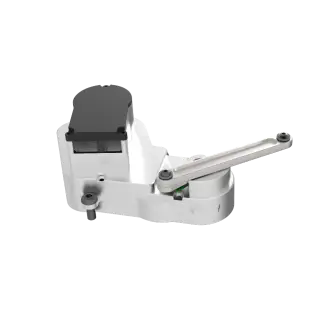
通常、プレミアム ボードは、より優れたビルド品質、高度な機能、包括的な技術サポートを提供します。これらの利点により、故障が減り、トラブルシューティングが容易になり、サービス間隔が長くなります。初期投資は高くなりますが、ダウンタイムとメンテナンスのコストが削減されるため、多くの場合、その出費は正当化されます。
アプリケーションの重要性を考慮してください。クリティカルではない低速操作の場合は、基本的な制御ボードで十分な場合があります。ただし、高速、高精度、または安全性が重要なアプリケーションの場合は、よりグレードの高いソリューションに投資することが賢明です。このようなシナリオでの障害のリスクは、劣悪な製品によるコスト削減をはるかに上回ります。
保証条件と交換部品の入手可能性を評価します。保証期間が長いということは、メーカーが製品の信頼性に対して自信を持っていることを示しています。スペアパーツに簡単にアクセスできるため、修理中のダウンタイムが最小限に抑えられます。
06サーボ選択におけるよくある落とし穴
多くの購入者は、サーボ制御ボードを選択するときに罠に陥ります。よくある間違いの 1 つは、パフォーマンス指標を考慮せずに価格のみに焦点を当てることです。もう1つは、既存のインフラとの互換性の検証を怠っていることだ。こうした見落としは、コストのかかるやり直しやプロジェクトの遅延につながる可能性があります。
もう 1 つの落とし穴は、熱性能を無視することです。負荷がかかると過熱するボードは劣化が早くなり、予期せず故障する可能性があります。購入する前に、必ず熱定格と冷却機構を確認してください。
スケーラビリティを計画していないことも問題です。生産ニーズの増大に伴い、制御システムは軸の追加や高速化に対応する必要があります。拡張機能が制限されたボードを選択すると、予想より早くシステム全体の交換が必要になる場合があります。
最後に、テクニカル サポートの品質を無視すると、悪影響を及ぼす可能性があります。複雑な設置には専門家の支援が必要になることがよくあります。迅速に対応し、知識豊富なサポート チームを擁するベンダーは、問題を迅速に解決し、中断を最小限に抑えることができます。
07購入前の実際的な質問
適切な質問をすることで、ニーズを明確にし、不一致を避けることができます。以下は、購入を確定する前に考慮すべき重要な質問です。
ボードがサポートできる軸の最大数は何ですか?
ボードが現在および将来の拡張要件を満たしていることを確認します。
リアルタイム通信プロトコルをサポートしていますか?
リアルタイム機能は、同期した多軸モーションにとって非常に重要です。
連続運転した場合の期待寿命はどのくらいですか?
寿命が長いため、交換頻度とそれに伴うコストが削減されます。
ファームウェアはリモートで更新できますか?
リモート更新によりメンテナンスが簡素化され、物理的にアクセスせずに機能を拡張できるようになります。
理事会は安全性準拠に関してどのような認定を取得していますか?
認証により、業界標準と規制要件への準拠が保証されます。
これらの質問は、オプションを体系的に評価するためのフレームワークを提供します。潜在的な問題を早期に特定するのに役立ち、より多くの情報に基づいた意思決定が可能になります。
08長期信頼性の確保
計画外のダウンタイムが重大な経済的損失をもたらす産業環境では、信頼性が最も重要です。長期的なパフォーマンスを保証するには、高品質のコンポーネントと厳格なテスト手順で構築された制御ボードを選択してください。
定期的なメンテナンス スケジュールには、接続のチェック、ファームウェアの更新、温度状態の監視を含める必要があります。プロアクティブな対策により、潜在的な障害を発生前に検出し、致命的な故障を防ぐことができます。
のような評判の良いサプライヤーと提携キロパワー専門家のガイダンスと信頼できる製品へのアクセスを提供します。同社のサーボ制御ボードは、さまざまな動作条件下での性能を保証するために広範なテストを受けています。このパートナーシップにより、安心感が得られ、持続的な優れた運用がサポートされます。
適切なサーボ制御ボードを選択するには、技術仕様、互換性、長期的な価値を慎重に考慮する必要があります。よくある落とし穴を回避し、適切な質問をすることで、企業は自動化システムを最適化して最高のパフォーマンスを実現できます。接触キロパワー特定のアプリケーションのニーズに合わせた完璧なソリューションを見つけるための、個別のコンサルティングを今すぐお受けします。
更新時間:2026-07-15


