
























テクニカルサポート


発行済み 2026-07-16
簡単な回答
ヘリコプターパラレルサーボシステムは、主に機械的なバックラッシュを排除し、応答帯域幅を向上させるために、2 つの独立したアクチュエータを利用して単一の飛行面を制御します。この構成により、電気式モデルとガス式モデルの両方で精度の安定性に重要な冗長制御権限が確保されます。デュアルユニットに負荷を分散することで、システムは個々の応力を軽減し、コンポーネントの寿命を延ばし、振動による誤差を最小限に抑えます。エンジニアは、複雑な空力操作において高トルク密度とゼロプレイトランスミッションが譲れない要件である場合、このセットアップを優先します。
導入
ヘリコプタのダイナミクスの精度には、標準的な単一アクチュエータのセットアップ以上のものが要求されます。多くのオペレーターは、急速な方向変更やホバリングの維持中に不安定に直面します。従来のリンケージにおける機械的な遊びは、不安定な飛行挙動を引き起こし、安全性と性能を損なうことがよくあります。根本的な原因は、ギアとホーンの間にある固有の緩みにあり、これは高い G 力の下で増幅されます。これを解決するために、エンジニアは並列を採用しましたサーボ建築。このアプローチは、総重量を大幅に増加させることなく、剛性が高く反応性の高い操縦翼面のニーズに直接対応します。基盤となる機構調達チームを理解し、厳しい運用サイクルに耐える堅牢なソリューションを選択します。
デュアルアクチュエーションの仕組み
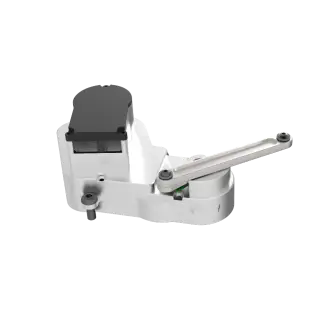
中心となる原理は、2 つの結合に依存します。サーボモーターを並列リンケージアームを介して共通の制御ホーンに接続します。各サーボは独立して動作しますが、機械的制約を通じてその出力を同期させます。 1 つのサーボが動くと、もう 1 つのサーボも追従して、統一された力のベクトルを作成します。この配置により、内歯車の隙間を効果的にキャンセルできます。その結果、油圧作動を模倣しながらも電子的な精度を備えた堅固な接続が実現します。荷重分布が対称となり、ベアリングやシャフトの偏摩耗を防ぎます。オペレーターは、スティックの感触と追跡精度がすぐに向上していることに気づきます。
シングルサーボシステムと比べた利点
Single servos often struggle with peak torque demands during aggressive maneuvers. Parallel configurations share the burden, allowing each unit to operate within optimal efficiency ranges. This reduces heat generation and electrical draw, preserving battery life in electric models. Furthermore, redundancy plays a crucial role. If one servo fails temporarily, the other can maintain limited control, providing a critical safety margin. The elimination of lash ensures that pilot inputs translate instantly to surface deflection. This direct correlation enhances maneuverability and reduces pilot workload during complex flights.
Technical Considerations for Implementation

Installing parallel servos requires careful attention to synchronization. Both units must have response curves and power delivery characteristics. Mismatched specifications can lead to binding or conflicting forces, damaging the mechanism. Timing alignment is essential before initial testing. Operators should verify that both servos move in unison across the full range of motion. Additionally, structural integrity of the mounting points must be assessed. High-torque outputs demand reinforced frames to prevent flexing. Proper wiring harnesses should minimize signal interference between channels.
Selection Criteria for Procurement
Choosing the right parallel servo setup involves evaluating torque ratings, speed, and durability. Look for servos specifically designed for high-load applications. Metal gears are preferred over plastic for long-term reliability. Water resistance may be necessary for outdoor operations. Check for digital feedback capabilities that allow precise calibration. Ensure compatibility with existing receiver systems and power supplies. Consulting technical datasheets helps identify units that meet specific thrust-to-weight ratios. Engaging with experienced suppliers can clarify integration requirements.
Key Specifications to Check
Common Questions About Parallel Servo Systems
Do parallel servos consume more power?
Yes, slightly due to dual units. However, shared load often improves efficiency. Total draw depends on maneuver intensity.
Can I mix different servo brands?
Not recommended. Mismatched specs cause binding. Use identical units for synchronized operation.
Is installation difficult?
Requires precise timing alignment. Follow manufacturer guidelines for linkage setup. Professional help may be needed.
Does this work for all helicopter sizes?
Most effective in mid-to-large models. Small helicopters may lack space for dual units.
What happens if one servo fails?
Control reduces authority significantly. Backup capabilities depend on remaining servo strength.
メタルギアって必要ですか?
Highly advised. Plastic gears wear faster under dual load. Metal ensures longevity.
How does this affect flight time?
Minimal impact if efficient. Balanced load prevents excessive current spikes.
Can I use analog servos?
Digital servos offer better resolution. Analog may lag in synchronization.
What maintenance is required?
Regular lubrication of linkages. Check for loose screws and worn horns.
Is backup support available?
Reputable suppliers offer technical assistance. Ensure warranty covers dual-unit issues.
Choosing the Right Configuration for Your Needs
Selecting a parallel servo system requires balancing performance needs with budget constraints. Evaluate your specific flight profile and mechanical limitations. Prioritize suppliers who provide detailed technical support and quality assurance. Investing in robust components pays off in reduced downtime and enhanced reliability. For complex applications, consulting with engineering experts ensures optimal integration. Contact キロパワーサーボ to discuss your specific requirements and explore tailored motion control solutions.
Update Time:2026-07-16


