
























SUPORTE TÉCNICO


Publicado 2026-07-16
Resposta rápida
Paralelo de helicópteroservoos sistemas utilizam dois atuadores independentes para controlar uma única superfície de voo, principalmente para eliminar folgas mecânicas e aumentar a largura de banda de resposta. Esta configuração garante autoridade de controle redundante, crítica para estabilidade de precisão em modelos elétricos e movidos a gás. Ao distribuir a carga entre unidades duplas, o sistema reduz o estresse individual, prolonga a vida útil dos componentes e minimiza erros induzidos por vibração. Os engenheiros priorizam esta configuração quando a alta densidade de torque e a transmissão sem folga são requisitos inegociáveis para manobras aerodinâmicas complexas.
Introdução
A precisão na dinâmica de helicópteros exige mais do que configurações padrão de atuador único. Muitos operadores enfrentam instabilidade durante mudanças rápidas de direção ou manutenção de voo pairado. A folga mecânica nas ligações tradicionais muitas vezes leva a um comportamento de voo errático, comprometendo a segurança e o desempenho. A causa raiz está na folga inerente entre as engrenagens e as buzinas, que se amplifica sob altas forças G. Para resolver isso, os engenheiros adotamservoarquiteturas. Esta abordagem aborda diretamente a necessidade de superfícies de controle rígidas e responsivas, sem aumentar significativamente o peso total. Compreender as equipes de aquisição de mecânica subjacente para selecionar soluções robustas que resistam a ciclos operacionais rigorosos.
Mecanismo de Dupla Atuação
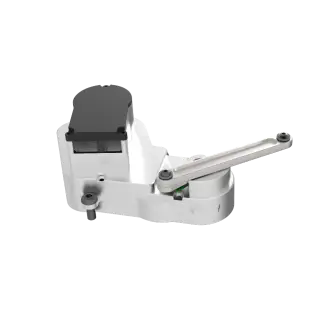
O princípio fundamental baseia-se no acoplamento de doisservomotores a uma buzina de controle comum por meio de braços de ligação paralelos. Cada servo opera de forma independente, mas sincroniza sua saída através de restrições mecânicas. Quando um servo se move, o outro segue, criando um vetor de força unificado. Este arranjo cancela efetivamente a folga interna da engrenagem. O resultado é uma conexão rígida que imita a atuação hidráulica, mas com precisão eletrônica. A distribuição da carga torna-se simétrica, evitando desgaste irregular nos rolamentos ou eixos. Os operadores notam melhorias imediatas na sensação do stick e na precisão do rastreamento.
Vantagens sobre sistemas de servo único
Single servos often struggle with peak torque demands during aggressive maneuvers. Parallel configurations share the burden, allowing each unit to operate within optimal efficiency ranges. This reduces heat generation and electrical draw, preserving battery life in electric models. Furthermore, redundancy plays a crucial role. If one servo fails temporarily, the other can maintain limited control, providing a critical safety margin. The elimination of lash ensures that pilot inputs translate instantly to surface deflection. This direct correlation enhances maneuverability and reduces pilot workload during complex flights.
Technical Considerations for Implementation

Installing parallel servos requires careful attention to synchronization. Both units must have response curves and power delivery characteristics. Mismatched specifications can lead to binding or conflicting forces, damaging the mechanism. Timing alignment is essential before initial testing. Operators should verify that both servos move in unison across the full range of motion. Additionally, structural integrity of the mounting points must be assessed. High-torque outputs demand reinforced frames to prevent flexing. Proper wiring harnesses should minimize signal interference between channels.
Selection Criteria for Procurement
Choosing the right parallel servo setup involves evaluating torque ratings, speed, and durability. Look for servos specifically designed for high-load applications. Metal gears are preferred over plastic for long-term reliability. Water resistance may be necessary for outdoor operations. Check for digital feedback capabilities that allow precise calibration. Ensure compatibility with existing receiver systems and power supplies. Consulting technical datasheets helps identify units that meet specific thrust-to-weight ratios. Engaging with experienced suppliers can clarify integration requirements.
Key Specifications to Check
Common Questions About Parallel Servo Systems
Do parallel servos consume more power?
Yes, slightly due to dual units. However, shared load often improves efficiency. Total draw depends on maneuver intensity.
Can I mix different servo brands?
Not recommended. Mismatched specs cause binding. Use identical units for synchronized operation.
Is installation difficult?
Requires precise timing alignment. Follow manufacturer guidelines for linkage setup. Professional help may be needed.
Does this work for all helicopter sizes?
Most effective in mid-to-large models. Small helicopters may lack space for dual units.
What happens if one servo fails?
Control reduces authority significantly. Backup capabilities depend on remaining servo strength.
As engrenagens de metal são necessárias?
Highly advised. Plastic gears wear faster under dual load. Metal ensures longevity.
How does this affect flight time?
Minimal impact if efficient. Balanced load prevents excessive current spikes.
Can I use analog servos?
Digital servos offer better resolution. Analog may lag in synchronization.
What maintenance is required?
Regular lubrication of linkages. Check for loose screws and worn horns.
Is backup support available?
Reputable suppliers offer technical assistance. Ensure warranty covers dual-unit issues.
Choosing the Right Configuration for Your Needs
Selecting a parallel servo system requires balancing performance needs with budget constraints. Evaluate your specific flight profile and mechanical limitations. Prioritize suppliers who provide detailed technical support and quality assurance. Investing in robust components pays off in reduced downtime and enhanced reliability. For complex applications, consulting with engineering experts ensures optimal integration. Contact potênciaservo to discuss your specific requirements and explore tailored motion control solutions.
Update Time:2026-07-16

Entre em contato com o especialista de produtos da Kpower para recomendar um motor ou caixa de engrenagens adequado para o seu produto.


