



























SUPORTE TÉCNICO


Publicado 2026-07-16
Resposta rápida
RotulagemSPTservomotoresvisto que universalmente a “má qualidade” é um equívoco enraizado na confusão de modelos orçamentais genéricos com componentes industriais estabelecidos. Embora as variantes básicas possam não ter a precisão de marcas de nível 1, como Siemens ou Panasonic, muitas unidades SPT oferecem desempenho robusto para tarefas de automação de baixo custo. O fator crítico é combinar os requisitos específicos de torque, velocidade e resolução com a aplicação. Para transportadores simples ou posicionamento básico, são econômicos; para CNC ou robótica de alta dinâmica, suas limitações no gerenciamento térmico e na correção de erros tornam-se aparentes. Sempre verifique as fichas técnicas em relação à taxa de inércia da carga antes de comprar.
01Introdução: O paradoxo custo-qualidade nas compras de automação
Os gestores de compras enfrentam frequentemente um dilema frustrante: como equilibrar restrições orçamentais rigorosas com a necessidade de um tempo de produção fiável. Ao adquirir componentes de controle de movimento, perguntas como "O SPTservoqualidade ruim?" geralmente surgem de anedotas negativas sobre superaquecimento ou torque inconsistente. Essas experiências geralmente resultam de aplicação incorreta e não de defeitos de fabricação inerentes. Entender onde essasservoA excelência da empresa – e onde eles falham – é essencial para a tomada de decisões informadas sobre despesas de capital. Ignorar essa nuance pode levar a tempos de inatividade dispendiosos, ao passo que aproveitá-los corretamente melhora significativamente o ROI.
02Compreendendo a posição de mercado do servo SPT
A SPT (frequentemente associada a fabricantes regionais específicos ou linhas de marcas genéricas) normalmente ocupa o nível médio a baixo do mercado global de servos. Ao contrário das marcas premium que investem pesadamente em algoritmos proprietários e ímãs de terras raras de alta qualidade, a SPT se concentra em fornecer soluções de controle de movimento funcionais e acessíveis. Esse posicionamento significa que seus produtos são projetados para aplicações de uso geral, em vez de ambientes de extrema precisão.
Aplicações alvo:Máquinas de embalagem básicas, linhas de montagem simples e protótipos educacionais.
Fornecimento de componentes:Uso de codificadores padrão e enrolamentos de cobre em vez de alternativas especializadas.
Estrutura de Apoio:Dependência de redes de distribuidores em vez de equipes diretas de suporte de engenharia.
Esta diferença estrutural explica por que alguns usuários consideram a qualidade “ruim”. Eles são frequentemente implantados em aplicações de alto estresse, onde componentes mais baratos não conseguem suportar as cargas térmicas e mecânicas. Reconhecer esta fronteira é o primeiro passo para umaseleção de servo motor .
03Desempenho Técnico: Pontos Fortes e Limitações
Para avaliar objetivamenteServo SPTdesempenho, é preciso observar as principais métricas técnicas: consistência de torque, resolução do codificador e estabilidade térmica.
Características de torque e velocidade
A maioria dos servos SPT fornece torque de retenção adequado para cargas estáticas ou de movimento lento. No entanto, sob condições dinâmicas – como aceleração e desaceleração rápidas – a curva de torque pode se achatar mais cedo do que o esperado. Essa limitação se deve ao circuito de acionamento mais simples, que não possui o controle avançado do circuito de corrente encontrado nos modelos mais sofisticados. Para aplicações que exigem força consistente em altas velocidades, isso pode resultar em passos perdidos ou erros de posição.
Resolução e precisão do codificador
O dispositivo de feedback é fundamental para o controle de malha fechada. Os servos econômicos geralmente utilizam encoders incrementais com contagens de linhas mais baixas (por exemplo, 1000-2000 PPR). Embora seja suficiente para o posicionamento básico, esta resolução limita a repetibilidade. Em contraste, codificadores absolutos ou incrementais de alta contagem de linhas (20 bits+) encontrados em marcas premium oferecem precisão superior. Os compradores devem avaliar se seu aplicativo tolera o potencial desvio associado ao feedback de resolução mais baixa.

Gestão Térmica
A dissipação de calor é um ponto de falha comum em servos econômicos. Os motores SPT podem ter dissipadores de calor menores ou isolamento de enrolamento menos eficiente. Em ciclos de trabalho contínuos, a temperatura do motor pode aumentar rapidamente, provocando desligamentos de proteção térmica ou degradando o desempenho do ímã ao longo do tempo. O dimensionamento adequado com margem de segurança é crucial para evitar falhas prematuras.
04Comparação: SPT vs. Marcas Premium
Ao decidir entre diferentes níveis de controle de movimento, é vital compreender as compensações. A tabela a seguir compara características típicas de servos de orçamento como SPT com líderes estabelecidos do setor.
Esta comparação destaca que, emboraServo SPTEmbora os motores ofereçam vantagens de custo significativas, eles exigem uma supervisão de engenharia mais cuidadosa para garantir que atendam às demandas operacionais.
05Aplicações incorretas e riscos comuns
A percepção de má qualidade muitas vezes decorre da aplicação desses motores além dos limites do projeto. Vários erros comuns levam a falhas prematuras:
1. Sobrecarregando a relação de inércia:Usar um servo pequeno para acionar uma carga pesada causa consumo excessivo de corrente e calor.
2. Ignorando as condições ambientais:Operar em ambientes de alta temperatura sem desclassificar o motor acelera a quebra do isolamento.
3. Má afinação:Os direcionadores de orçamento são menos indulgentes com parâmetros de ajuste de PID incorretos, levando a oscilações e estresse mecânico.
4. Fonte de alimentação inadequada:O uso de fontes de energia instáveis pode danificar os componentes eletrônicos sensíveis do servoconversor.
Para mitigar estes riscos, os engenheiros devem realizar cálculos de carga rigorosos e garantir controlos ambientais adequados. Consultar diretrizes técnicas paraaplicações de controle de movimentoé fortemente recomendado.
06Como escolher o servo certo para suas necessidades
Selecionar o servo ideal envolve mais do que apenas comparar etiquetas de preços. Requer uma avaliação holística de seus requisitos operacionais.
Etapa 1: Definir requisitos de carga:Calcule o torque, velocidade e inércia máximos necessários para seu eixo específico. Adicione uma margem de segurança de 20-30%.
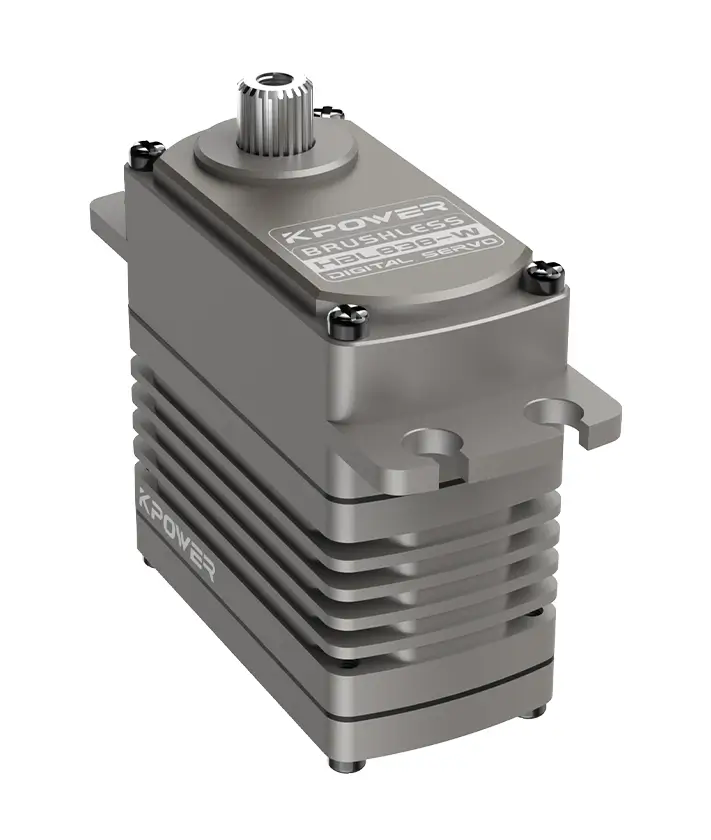
Etapa 2: avaliar as necessidades de precisão:Determine a repetibilidade necessária. Se for necessária precisão no nível do micrômetro, os servos econômicos podem não ser suficientes.
Etapa 3: avaliar o ciclo de trabalho:A máquina está funcionando continuamente ou intermitentemente? O trabalho contínuo exige melhor gerenciamento térmico.
Etapa 4: verifique a compatibilidade:Certifique-se de que a interface servo (pulso/direção, EtherCAT, CANopen) corresponda ao seu PLC ou controlador.
Seguindo essa abordagem estruturada, você pode evitar as armadilhas associadas a equipamentos incompatíveis. Este processo metódico suporta melhorseleção de servo motorresultados.
07Diretrizes de decisão: quando usar servos SPT
Nem todos os aplicativos exigem preços premium.Servo SPTmotores são uma excelente escolha para:
Aplicações de baixa velocidade e alto torque, como correias transportadoras.
Tarefas de posicionamento não críticas onde desvios menores são aceitáveis.
Fases de prototipagem onde o custo é a principal restrição.
Retrofit de máquinas mais antigas onde a compatibilidade com sistemas legados é fundamental.
Por outro lado, evite-os para:
Roteadores CNC de alta velocidade ou cortadores a laser.
Braços robóticos que exigem planejamento preciso de trajetória.
Ambientes de salas limpas que exigem operação silenciosa e livre de calor.
A compreensão desses limites garante a maximização do valor sem comprometer a integridade da produção.
08Perguntas práticas antes de comprar
P: Os servos SPT são compatíveis com os principais CLPs?
R: A maioria suporta entradas de pulso/direção padrão. Para comunicação fieldbus, verifique a compatibilidade do protocolo específico com a marca do seu controlador.
P: Como funciona a cobertura da garantia?
R: Normalmente administrado por meio de distribuidores. Verifique as políticas de devolução e repare os prazos de entrega antes de se comprometer com pedidos grandes.
P: Posso usá-los para levantamento de eixo vertical?
R: Sim, mas somente se equipado com freio ou se a inércia da carga for muito baixa para evitar retrocesso.
P: Eles exigem software de ajuste especial?
R: O ajuste básico pode ser feito através de potenciômetros ou software serial simples. O ajuste avançado pode exigir ferramentas dedicadas.
P: Qual é a vida útil esperada?
R: Com resfriamento e carregamento adequados, os rolamentos duram mais de 20.000 horas. A vida útil dos eletrônicos depende muito da temperatura ambiente.
P: As peças de reposição são fáceis de encontrar?
R: Encoders e freios geralmente são de tamanho padrão. Conectores personalizados podem precisar de adaptação.
09Tomando uma decisão melhor a longo prazo
A escolha entre economia e confiabilidade de alto desempenho depende inteiramente do seu contexto operacional específico.Servo SPTos motores não são inerentemente “ruins”; são simplesmente ferramentas projetadas para um segmento específico do mercado. Ao alinhar as suas capacidades com aplicações apropriadas, as empresas podem obter poupanças de custos significativas sem sacrificar a funcionalidade necessária.
Para projetos complexos e de alta dinâmica, investir em marcas premium pode gerar um melhor ROI a longo prazo através da redução do tempo de inatividade e maior precisão. Para automação padrão e econômica, a SPT oferece uma solução viável e econômica.
Se você está avaliandoServo SPTopções para seu próximo projeto, considere solicitar uma revisão técnica de engenheiros experientes. Eles podem ajudar a verificar curvas de torque e perfis térmicos em relação aos seus requisitos de carga específicos. Para especificações detalhadas sobresoluções servo personalizadasou para compararservo analógico vs digitaldrives, entrando em contato com um fornecedor especializado comopotênciaservopode fornecer a clareza necessária para decisões de aquisição confiáveis. Certifique-se de que sua escolha seja respaldada por dados, não apenas por reputação.
Hora de atualização: 16/07/2026

Entre em contato com o especialista de produtos da Kpower para recomendar um motor ou caixa de engrenagens adequado para o seu produto.


