
























SUPORTE TÉCNICO


Publicado 2026-07-17
Resposta rápida
Escolhendo o certoVolzservoA solução requer priorizar a precisão posicional e a resposta dinâmica em relação à saída de torque bruto. Embora muitos concentrem os compradores apenas na potência de pico, a automação de alto desempenho exige um controle de tolerância rígido para evitar erros cumulativos em sistemas multieixos. Uma incompatibilidade emservomuitas vezes levam ao aumento das taxas de refugo e ao tempo de inatividade não planejado. Portanto, avaliandoservoseleção do motorcritérios baseados em perfis de carga específicos e requisitos de aceleração são essenciais para garantir a estabilidade operacional a longo prazo e maximizar o retorno do investimento em ambientes de produção complexos.
01O Paradoxo do Servo Volz: Por que a precisão é mais importante do que a potência na automação moderna
Em ambientes de produção de alto risco, a diferença entre uma mudança lucrativa e uma falha catastrófica geralmente reside nos micromovimentos de um único componente. As equipes de compras frequentemente enfrentam um dilema ao especificar sistemas de controle de movimento: deveriam priorizar a capacidade máxima de torque ou a fidelidade posicional final? Para aplicações que exigem sincronização complexa, como montagem de precisão, manuseio de semicondutores ou fabricação de dispositivos médicos, a resposta é inequivocamente a última. Compreender o papel diferenciado doVolz servoa tecnologia não é mais opcional; é um requisito fundamental para manter a vantagem competitiva numa indústria onde milímetros se traduzem em milhões.
Este guia explora por que a precisão supera a força bruta, como avaliar sistemas servo de forma eficaz e os custos ocultos de fazer a escolha errada. Ao mudar o foco de métricas simples de energia para um desempenho dinâmico abrangente, os tomadores de decisão podem garantir soluções que melhorem a qualidade, reduzam o desperdício e prolonguem a vida útil do equipamento.
O custo oculto do torque “bom o suficiente”
Muitos engenheiros inicialmente especificam servos com base em requisitos de torque estático, assumindo que um motor capaz de levantar uma carga é suficiente para movê-la com precisão. Esta abordagem ignora as forças dinâmicas em jogo durante os ciclos rápidos de aceleração e desaceleração. Quando um servo não possui a rigidez necessária ou a resolução de feedback, até mesmo pequenos desvios se acumulam ao longo de milhares de ciclos. Esses erros se manifestam como defeitos do produto, desalinhamentos e eventual desgaste mecânico.
A consequência não é apenas a rejeição imediata de mercadorias, mas também o aumento das despesas de manutenção. Um servo operando fora de sua faixa de precisão ideal gera excesso de calor e vibração, acelerando a falha do rolamento e reduzindo a confiabilidade geral da célula automatizada. Em contraste, um servo de alta precisão devidamente selecionado mantém a consistência, garantindo que cada movimento seja repetível em mícrons. Essa repetibilidade é a base da manufatura enxuta, impactando diretamente o rendimento e o custo por unidade.
Especificações principais para avaliação de precisão
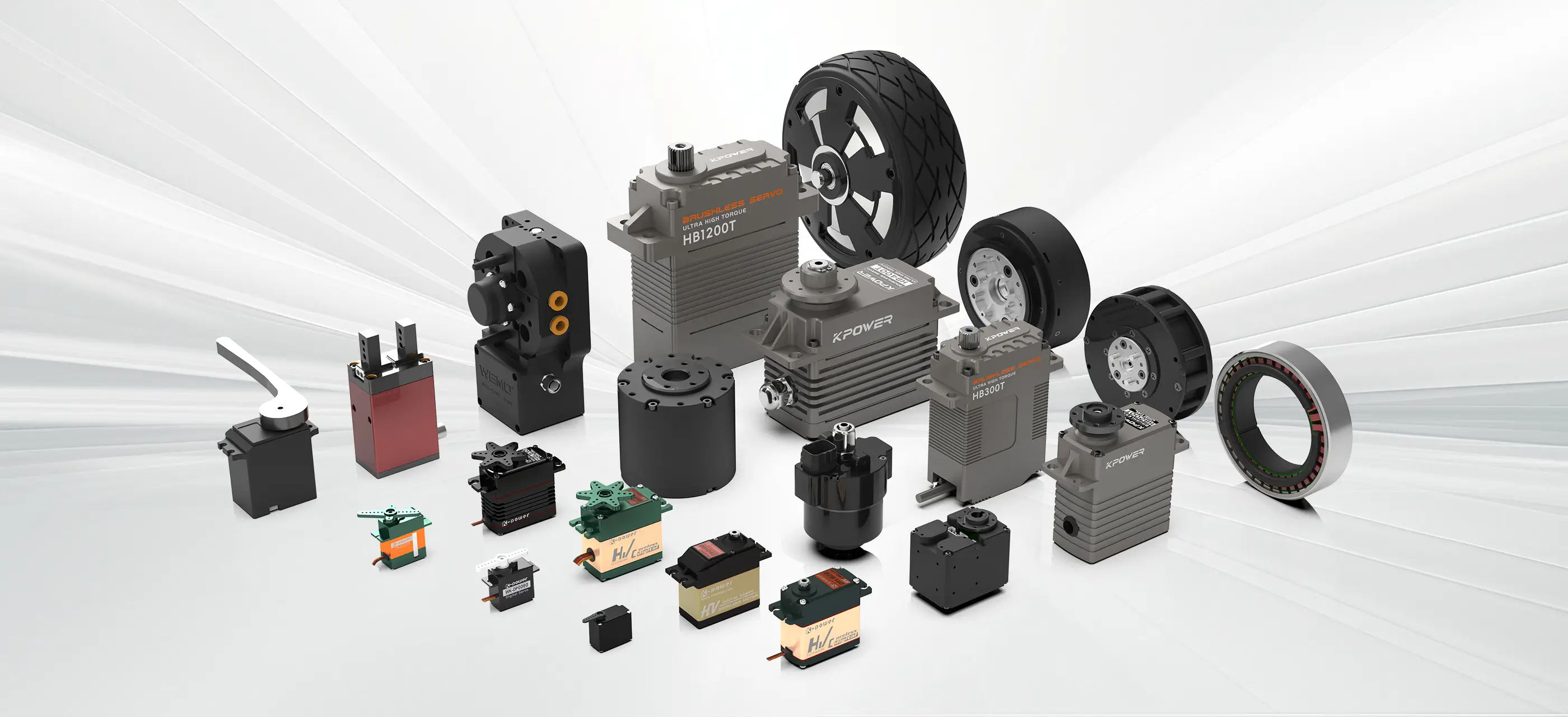
Para ir além das classificações básicas de potência, os compradores devem examinar vários parâmetros técnicos que definem as capacidades de precisão de um servo. Estas especificações determinam quão bem o sistema pode rastrear posições comandadas e rejeitar perturbações externas.
Ao avaliarsoluções servo personalizadas, é essencial solicitar planilhas de dados detalhadas que incluam essas métricas de desempenho dinâmico, em vez de apenas classificações de estado estacionário. Um servo com torque moderado, mas com rigidez e largura de banda excepcionais, muitas vezes supera uma unidade de alto torque com resposta dinâmica pobre em tarefas com uso intensivo de precisão.
Resposta Dinâmica vs. Capacidade de Carga Estática
Um equívoco comum é que cargas de inércia mais altas requerem motores proporcionalmente maiores. Embora a correspondência de inércia seja crucial, os servodrives modernos compensam as incompatibilidades de inércia por meio de ajuste algorítmico avançado. No entanto, esta compensação tem limites. Se a estrutura mecânica subjacente não tiver rigidez, nenhum ajuste de software poderá atingir precisão em nível de mícron.
Portanto, a integração do servo com o sistema mecânico é fundamental.Aplicativos de controle de movimentobeneficie-se significativamente de servomotores de baixa inércia combinados com componentes de transmissão de alta rigidez, como acionamentos harmônicos ou parafusos de esferas de precisão. Esta combinação minimiza o tempo necessário para acomodação após cada movimento, aumentando assim a velocidade do ciclo sem sacrificar a precisão. Os compradores devem avaliar todo o sistema de transmissão, não apenas o motor, para garantir que o escolhidoVolz servose alinha com as restrições mecânicas da aplicação.
Armadilhas Comuns na Seleção de Servo
As decisões de aquisição são frequentemente influenciadas por poupanças de custos a curto prazo, levando à erosão do valor a longo prazo. Um erro frequente é ignorar o impacto do protocolo de comunicação na sincronização. Em sistemas multieixos, a latência na troca de dados pode causar erros de fase entre os eixos, resultando em imprecisões complexas de formato. Outra armadilha é negligenciar as condições ambientais. Poeira, umidade ou interferência eletromagnética podem degradar a integridade do sinal, afetando as leituras do codificador e causando comportamento errático.
Além disso, confiar apenas em configurações prontas para uso sem verificar a compatibilidade com PLCs ou sistemas SCADA existentes pode causar dores de cabeça na integração. Uma revisão completa de engenharia antes da compra ajuda a identificar esses riscos antecipadamente. Ao fazer as perguntas certas sobrerequisitos de torquee fatores ambientais, as empresas podem evitar retrofits dispendiosos e garantir uma implantação perfeita.
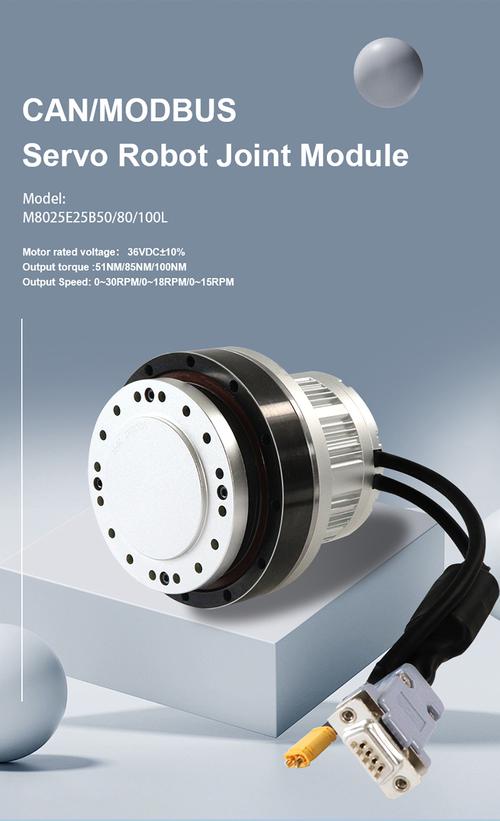
Perguntas estratégicas para compradores
Antes de finalizar uma compra, os decisores devem envolver os fornecedores com consultas técnicas específicas para validar as suas reivindicações. Essas perguntas ajudam a descobrir a verdadeira capacidade da solução proposta.
1. Qual é a repetibilidade real da posição sob carga total?
Os fornecedores costumam citar especificações sem carga. Os testes de carga total revelam como o servo lida com as condições do mundo real, incluindo expansão térmica e deflexão mecânica.
2. Como a frequência do circuito de controle se compara à dos concorrentes?
Um circuito de controle mais rápido permite uma correção de erros mais rápida. Verifique se a largura de banda anunciada é alcançável nos modos operacionais padrão.
3. Qual garantia cobre falhas de desempenho dinâmico?
As garantias padrão podem cobrir defeitos de hardware, mas não degradação de desempenho. Certifique-se de que o contrato inclua garantias de retenção de precisão ao longo do tempo.
4. Você pode fornecer estudos de caso para aplicações semelhantes de alta precisão?
Exemplos do mundo real demonstram como o servo funciona em ambientes com vibração, temperatura e ciclos de trabalho comparáveis.
5. Qual suporte está disponível para ajuste e otimização?
Aplicativos complexos podem exigir ajuste personalizado. O acesso ao suporte de engenharia especializado garante que o servo opere em seu potencial máximo.
6. Como o servo lida com cargas de choque repentinas?
Avalie a capacidade do servo de se recuperar rapidamente de impactos inesperados sem perder posição ou danificar o mecanismo.
Tomando uma decisão melhor a longo prazo
Selecionar a tecnologia certa de controle de movimento é um investimento em excelência operacional. Ao concentrarem-se na precisão, na resposta dinâmica e na integração sistémica, as empresas podem obter resultados de maior qualidade e reduzir o custo total de propriedade. O prêmio inicial para um superiorVolz servoé muitas vezes compensado por taxas de refugo mais baixas, menos manutenção e maior velocidade de produção.
Para organizações que buscam otimizar sua estratégia de automação, é essencial uma avaliação completa das capacidades dos servos em relação às necessidades específicas da aplicação. Envolver-se com fornecedores experientes que entendem as complexidades doseleção de servo motorgarante que cada componente contribua para o sucesso geral da linha de produção.
Se você deseja melhorar a precisão e a confiabilidade do seu sistema, considere revisar sua configuração atual de acordo com os critérios descritos acima. Entre em contato com nossa equipe de engenharia para discutir seus requisitos específicos. Podemos fornecer uma análise detalhada da sua aplicação e recomendar o mais adequadoVolz servoconfiguração para atingir seus objetivos. Solicite uma consulta hoje para explorar como podemos apoiar sua busca pela perfeição.
Hora de atualização: 17/07/2026

Entre em contato com o especialista de produtos da Kpower para recomendar um motor ou caixa de engrenagens adequado para o seu produto.


