



























APOYO TÉCNICO


Publicado 2026-07-16
Respuesta rápida
Encontrar un precisoArchivo de SolidWorkspara estándarservoEs como el micro de Adafruit.servorara vez es posible debido a tolerancias patentadas. En lugar de confiar en modelos genéricos, los ingenieros deben verificar dimensiones críticas como el diámetro del eje, el espacio entre los orificios de montaje y las especificaciones de torsión con las hojas de datos oficiales. El uso de archivos CAD inexactos provoca errores de montaje y fallos de rendimiento. Para proyectos que requieren una integración exacta del control de movimiento, trabajar con un fabricante que proporcione dibujos técnicos verificados garantiza la compatibilidad y reduce los riesgos de diseño de manera efectiva.
El desafío de integrar componentes disponibles en el mercado en diseños mecánicos personalizados a menudo comienza con una pieza faltante: datos CAD precisos. Muchos ingenieros buscan específicosArchivo de SolidWorksformatos para productos populares como el micro Adafruitservo, esperando acceso inmediato a una geometría precisa. Sin embargo, los fabricantes de servos comerciales rara vez publican modelos CAD nativos debido a la propiedad intelectual y la iteración constante del producto. Depender de modelos aproximados o generados por el usuario puede introducir errores importantes en el montaje, los cálculos de torsión y la planificación espacial. Esta desconexión entre la disponibilidad digital esperada y la realidad física crea fricciones en la fase de diseño, lo que potencialmente retrasa los cronogramas del proyecto y aumenta los costos de creación de prototipos.
Comprender por qué la documentación técnica certificada es más importante que los modelos 3D genéricos es esencial para una automatización exitosa. La cuestión central reside en la precisión necesaria para la integración del servo. Una ligera desviación en la posición del orificio de montaje o en la tolerancia del eje puede causar desalineación, vibración o falla prematura. Por lo tanto, la atención debería pasar de la búsqueda de archivos ya preparados a la verificación de parámetros críticos a través de especificaciones oficiales. Este enfoque garantiza que el componente seleccionado encaje perfectamente en el sistema mecánico más amplio, manteniendo la integridad estructural y la confiabilidad operativa durante todo el ciclo de vida del producto.
01Por qué los modelos CAD genéricos son riesgosos
Muchos repositorios en línea ofrecen modelos 3D de dispositivos electrónicos comunes, pero a menudo son aproximaciones. Es posible que carezcan de detalles internos críticos o tengan tolerancias dimensionales incorrectas. Al diseñar un mecanismo, asumir que un modelo genérico coincide exactamente con el producto físico es una apuesta peligrosa.
Inexactitud dimensional: Las dimensiones externas pueden parecer correctas, pero las holguras internas del tren de engranajes y la desviación del eje rara vez se modelan con precisión.
Tolerancias faltantes: Los archivos CAD a menudo ignoran las tolerancias de fabricación, que son cruciales para ensamblajes ajustados.
Errores de carga dinámica: Los modelos estáticos no tienen en cuenta las fuerzas dinámicas, lo que lleva a decisiones incorrectas sobre el tamaño del motor.
Problemas de compatibilidad: Los pines y las conexiones eléctricas rara vez se representan en archivos CAD mecánicos, lo que provoca conflictos de cableado más adelante.
En lugar de descargar archivos no verificados, los diseñadores deben priorizar la obtención de hojas de datos detalladas y dibujos técnicos del fabricante. Estos documentos proporcionan la base objetiva necesaria para una simulación precisa y la creación de prototipos físicos.
02Especificaciones críticas paramicroservoIntegración
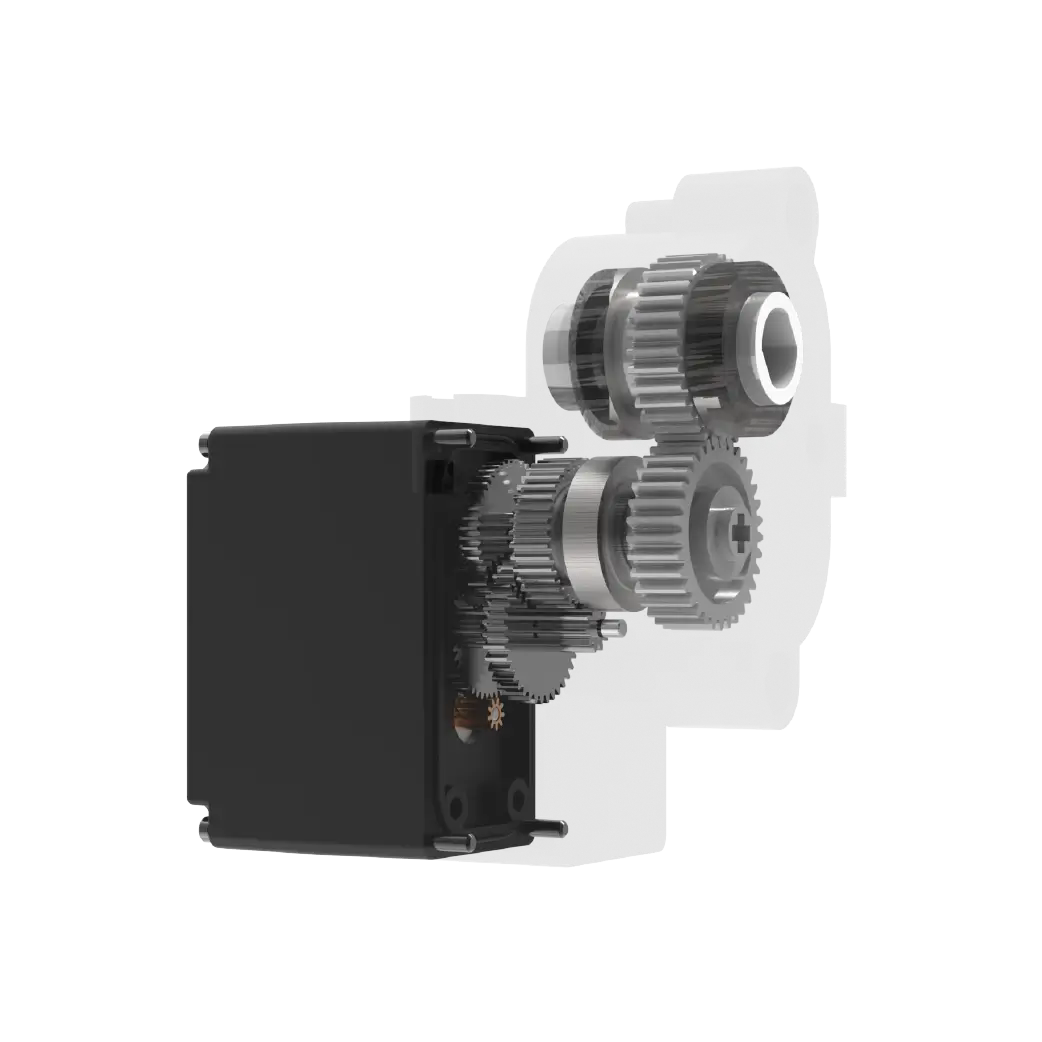
Al seleccionar unmicroservoPara su aplicación, centrarse en los parámetros técnicos clave es más valioso que encontrar un modelo CAD perfecto. Las siguientes especificaciones definen cómo funcionará el servo en su contexto específico.
1. Salida de par: Medido en kg-cm u oz-in, esto determina la capacidad de carga. Asegúrese de que el servo pueda soportar cargas máximas sin detenerse.
2. Voltaje de funcionamiento: EstándarmicroservoLos dispositivos suelen funcionar entre 4,8 V y 6 V. Verifique la compatibilidad con su fuente de alimentación para evitar daños.
3. Velocidad de rotación: Definido en segundos por 60 grados. Las velocidades más rápidas pueden requerir una corriente más alta y una refrigeración robusta.
4. Dimensiones de montaje: Verifique el tamaño del cuerpo, el espacio entre los orificios de los tornillos (normalmente 18 mm x 18 mm para micros estándar) y el diámetro del eje.
5. Señal de control: La mayoría utiliza señales PWM con una frecuencia de 50 Hz. Confirme que los rangos de ancho de pulso (generalmente de 0,5 ms a 2,5 ms) coincidan con su controlador.
Estos factores influyen directamente en el diseño mecánico. Por ejemplo, un requisito de par más alto podría requerir una relación de transmisión mayor, lo que afectaría el tamaño y el peso total del conjunto.
03Cómo verificar la compatibilidad sin un archivo de SolidWorks
Si no puede encontrar un directoArchivo de SolidWorks, aún puede lograr una alta precisión creando un modelo personalizado basado en datos verificados. Este proceso implica extraer dimensiones clave de la documentación técnica del fabricante y modelarlas usted mismo.
Paso 1: obtener hojas de datos: Descargue el PDF oficial del proveedor. Busque "Dimensiones del contorno" y "Características eléctricas".
Paso 2: dibujar perfiles clave: cree un boceto 2D con el ancho, alto y profundidad exactos del cuerpo. Preste atención a la geometría de la brida de montaje.
Paso 3: modelar el eje: Extruya el eje de salida con el diámetro y la longitud correctos. Incluya los chaveteros o tornillos de fijación, si los hubiera.

Paso 4: definir interfaces: Agregue puntos de referencia para conectores de señal y terminales de alimentación para garantizar el enrutamiento adecuado de los cables en su ensamblaje.
Paso 5: validar: Compare su modelo con el producto físico, si está disponible, o verifique con otras fuentes confiables.
Este método garantiza que su gemelo digital refleje el componente del mundo real, lo que reduce el riesgo de errores de ensamblaje durante la fabricación.
04Comparación: servos estándar versus servos personalizados
La elección del tipo de servo correcto depende de las necesidades específicas de su aplicación. A continuación se muestra una comparación para ayudarle a decidir si es mejor un microservo estándar o una solución especializada.
Para la mayoría de las aplicaciones industriales ligeras y de aficionados, un estándarmicroservoes suficiente. Sin embargo, para tareas de alta velocidad o alta precisión, invertir en soluciones de grado industrial puede generar mejores resultados a largo plazo a pesar del mayor costo inicial.
05Preguntas comunes sobre la selección de microservos
P: ¿Puedo utilizar un modelo impreso en 3D en lugar de un archivo CAD?
R: No, los modelos impresos en 3D carecen de la precisión necesaria para la verificación del diseño mecánico. Utilice siempre modelos CAD basados en vectores derivados de especificaciones oficiales.
P: ¿Cuál es el tamaño de montaje estándar para los microservos?
R: La mayoría de los microservos estándar utilizan un patrón de orificios de montaje de 18 mm x 18 mm, pero siempre verifique esto con la hoja de datos específica.
P: ¿Cómo puedo comprobar si un servo se ajusta a mis limitaciones de espacio?
R: Mida las dimensiones del sobre (largo, ancho, alto) según el dibujo técnico y deje espacio adicional para los cables y la disipación de calor.
P: ¿Es seguro ignorar el archivo de SolidWorks si tengo la hoja de datos?
R: Sí, siempre y cuando modeles manualmente la pieza utilizando las dimensiones exactas de la hoja de datos. Esto suele ser más preciso que los archivos descargados.
P: ¿Qué torque debo elegir para un brazo robótico en movimiento?
R: Calcule la carga estática en extensión total y multiplíquela por un factor de seguridad de 1,5 a 2,0 para tener en cuenta las fuerzas de aceleración dinámica.
P: ¿Necesito una fuente de alimentación específica para varios servos?
R: Sí, los servos consumen mucha corriente durante el arranque. Utilice una fuente de alimentación regulada capaz de manejar la corriente total de todos los servos activos simultáneamente.
06Tomar una mejor decisión a largo plazo
Seleccionar el componente de control de movimiento adecuado requiere algo más que encontrar un archivo digital. Exige una comprensión profunda de las limitaciones mecánicas, los requisitos eléctricos y las expectativas de rendimiento. Al priorizar los datos técnicos verificados sobre los modelos CAD convenientes pero potencialmente inexactos, garantiza diseños sólidos y confiables.
Para proyectos que requieren integración y soporte precisos, es recomendable consultar con expertos que puedan brindar soluciones personalizadas.kpotenciaservoofrece soporte técnico integral y especificaciones verificadas para varios tipos de servos. Póngase en contacto con nuestro equipo de ingeniería para analizar sus requisitos específicos y recibir recomendaciones personalizadas para su próximo proyecto de automatización.
Hora de actualización: 2026-07-16

Comuníquese con el especialista en productos de Kpower para recomendarle un motor o caja de cambios adecuado para su producto.


