



























APOYO TÉCNICO


Publicado 2026-07-17
RobotservoLos motores funcionan corrigiendo continuamente su posición mediante un sistema de retroalimentación de circuito cerrado para garantizar precisión y confiabilidad en tareas automatizadas. A diferencia de los motores estándar que simplemente giran,servoUtilizamos un codificador interno para monitorear la posición exacta del eje, lo que permite que el controlador realice ajustes en tiempo real para la precisión del torque y la velocidad.
Elegir lo correctorobotservomotorrequiere comprender cómo interactúan estos componentes para minimizar los errores y maximizar el tiempo de actividad. Esta guía desglosa la mecánica fundamental, la lógica de control y los parámetros clave que definen el rendimiento del servo.
01El punto débil: precisión versus costo en la automatización
Muchos ingenieros enfrentan un dilema crítico al diseñar sistemas automatizados. Necesitan movimientos de alta velocidad pero también precisión de posicionamiento a nivel de micras. Los motores paso a paso estándar a menudo pierden pasos bajo cargas pesadas, mientras que los motores de CC simples carecen de la retroalimentación necesaria para un control preciso. Esta brecha genera defectos de producción, desperdicio de material y mayores costos de mantenimiento.
La solución radica en comprender la arquitectura interna de un servoaccionamiento. No se trata sólo de poder; se trata de flujo de información. AservoaccionamientoActúa como cerebro, interpreta comandos y ajusta la entrega de potencia en función de la retroalimentación en tiempo real del motor. Sin este mecanismo de circuito cerrado, los sistemas de automatización no pueden garantizar la repetibilidad requerida en la fabricación moderna.
02Comprender el sistema de retroalimentación de circuito cerrado
En el corazón de cada servo robot se encuentra un sistema de control de circuito cerrado. Este sistema compara constantemente la posición deseada con la posición real. Si hay una discrepancia, conocida como "señal de error", la unidad la corrige inmediatamente.
Los tres componentes principales
1. Motor:Convierte la energía eléctrica en movimiento mecánico. En los robots modernos, suele ser un motor de CC sin escobillas para mayor eficiencia y longevidad.
2. Codificador:Un sensor conectado al eje del motor que mide el ángulo de rotación y la velocidad. Envía estos datos de vuelta al controlador.
3. Controlador/Conductor:Procesa el comando de entrada y la retroalimentación del codificador. Calcula la corriente y el voltaje necesarios para mover el motor a la posición objetivo exacta.
Esta tríada garantiza que incluso si una fuerza externa desvía el brazo de su curso, el servo detecta el error y lo corrige en milisegundos. Esta capacidad es esencial para aplicaciones que involucranaplicaciones de control de movimientodonde la seguridad y la precisión no son negociables.
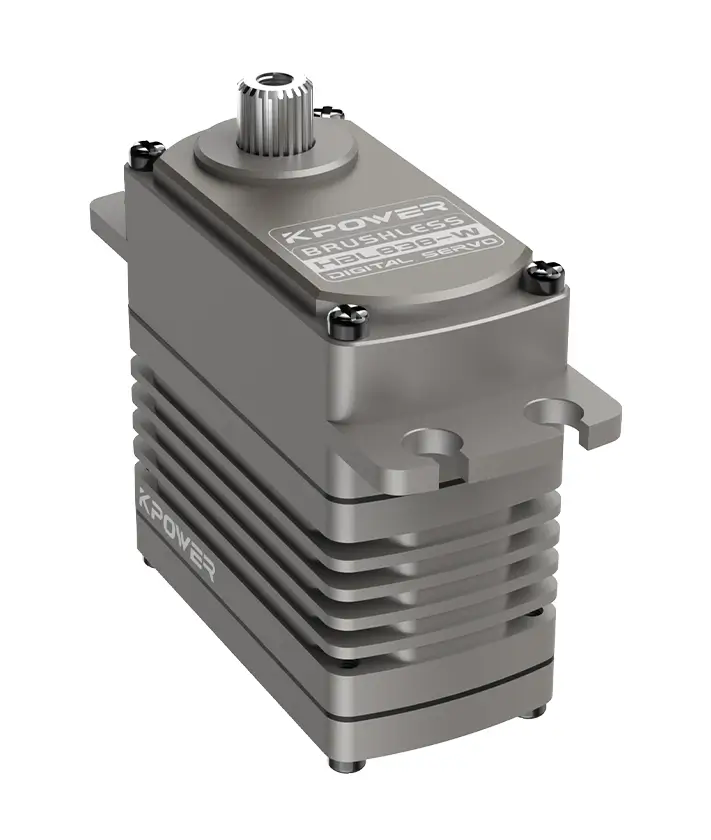
03Parámetros técnicos clave que definen el rendimiento
Al evaluarselección de servomotor, las especificaciones técnicas importan más que las afirmaciones de marketing. Estos son los parámetros críticos que afectan el rendimiento del sistema:
Un desajuste en estos parámetros puede provocar inestabilidad o un rendimiento deficiente. Por ejemplo, un motor con un par alto pero un ancho de banda de respuesta bajo puede tener dificultades en aplicaciones que requieren arranques y paradas rápidas.
04Sistemas de servocontrol analógicos versus digitales
La evolución del control analógico al digital ha mejorado significativamente la confiabilidad del servo. Los primeros sistemas analógicos dependían de señales de voltaje continuo, que eran susceptibles a interferencias de ruido en largos tramos de cables.
Los servosistemas digitales utilizan modulación de ancho de pulso (PWM) o protocolos de comunicación en serie como EtherCAT o CANopen. Estas señales digitales son mucho más resistentes a las interferencias electromagnéticas (EMI), que son comunes en entornos industriales. Además, las unidades digitales permiten funciones de sintonización avanzadas, como el ajuste automático de ganancia y algoritmos de supresión de vibraciones.
Elegir unservoaccionamiento digitalReduce el riesgo de pérdida de señal y simplifica la resolución de problemas. También permite una mejor integración con PLC y sistemas SCADA, proporcionando una visión más clara del estado de la máquina y las métricas de rendimiento.
05Errores comunes en el dimensionamiento de servos
Uno de los errores más frecuentes en los proyectos de robótica es el dimensionamiento incorrecto del motor. Los ingenieros a menudo se centran únicamente en el par máximo, ignorando los requisitos de par continuo o la coincidencia de inercia.
Ignorando los límites térmicos:Los motores se calientan durante el funcionamiento. Si se excede la clasificación de par continuo, el motor puede sobrecalentarse y fallar prematuramente.
Despreciando el desajuste de inercia:Si la inercia de la carga es demasiado alta en relación con la inercia del motor, el sistema se vuelve inestable. Esto provoca oscilaciones y zumbidos, lo que reduce la precisión del posicionamiento.
Pasar por alto los factores de seguridad:Incluya siempre un margen de seguridad (normalmente del 20 al 30 %) en los cálculos de torsión para tener en cuenta la fricción, las fuerzas de aceleración y las posibles condiciones de sobrecarga.
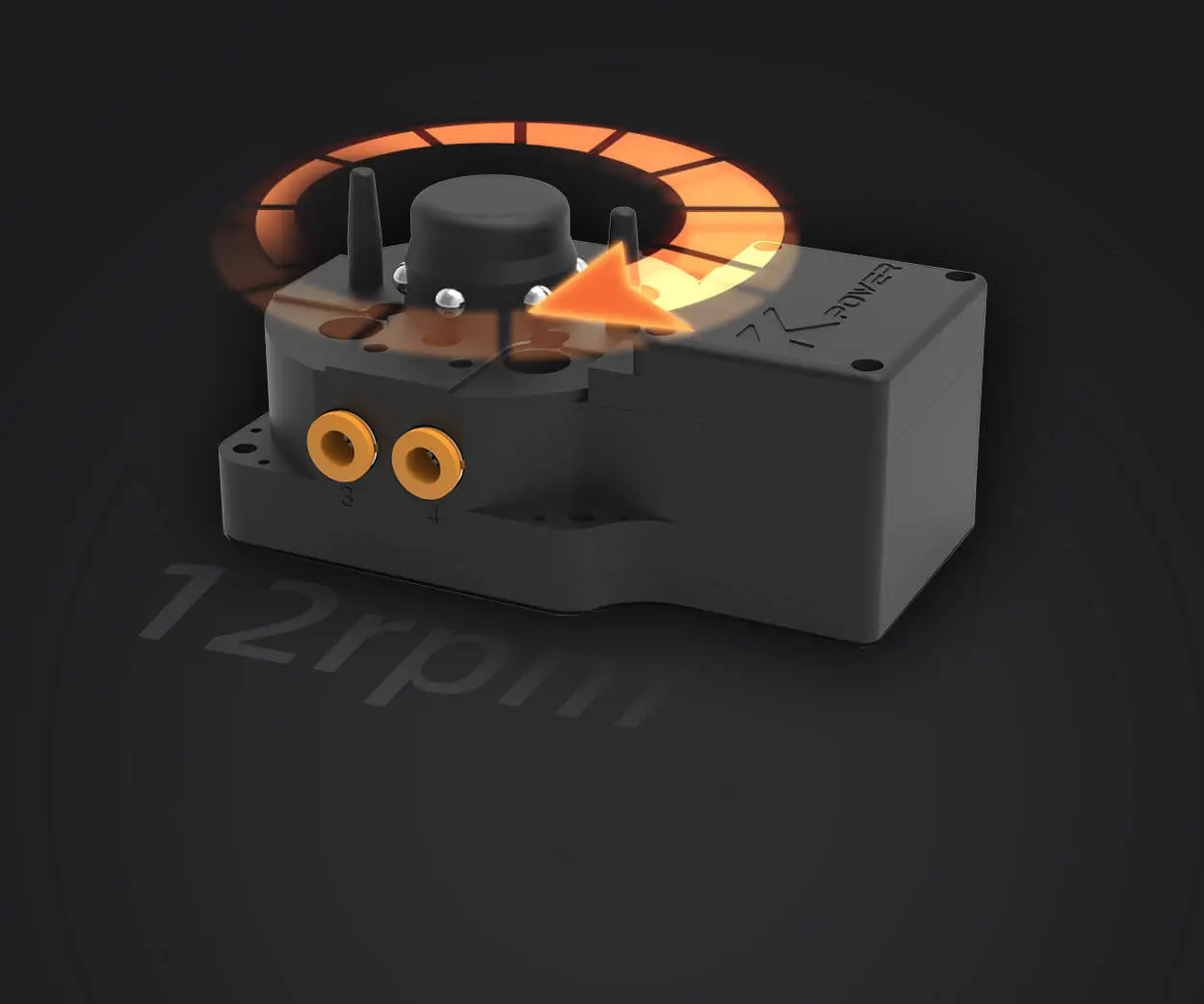
El tamaño adecuado garantiza que elkpotenciaservoEl sistema funciona eficientemente dentro de sus límites térmicos y mecánicos, extendiendo la vida útil tanto del motor como de la maquinaria accionada.
06Lista de verificación práctica para compradores
Antes de finalizar una compra, verifique los siguientes aspectos para garantizar la compatibilidad y confiabilidad a largo plazo:
Protocolo de comunicación:Asegúrese de que el servo admita el mismo protocolo que su controlador (por ejemplo, EtherCAT, Profinet).
Clasificaciones de voltaje y corriente:Haga coincidir la salida del variador con los requisitos nominales del motor.
Tipo de codificador:Determine si necesita codificadores incrementales (más baratos) o absolutos (posición retenida después de un corte de energía).
Montaje mecánico:Verifique que el tipo de eje, las dimensiones de la brida y los patrones de orificios de montaje se ajusten a su diseño.
Calificación ambiental:Verifique las clasificaciones IP para resistencia al polvo y al agua si opera en condiciones difíciles.
07Preguntas frecuentes
P: ¿Cuál es la principal diferencia entre un motor paso a paso y un servomotor?
R: Los motores paso a paso tienen un circuito abierto y pueden perder pasos bajo carga. Los servomotores utilizan retroalimentación de circuito cerrado para corregir errores, lo que garantiza una mayor precisión y par a diferentes velocidades.
P: ¿Cómo afecta la resolución del codificador a la precisión?
R: Una resolución más alta del codificador proporciona más pulsos de retroalimentación por revolución. Esto permite que el controlador detecte errores de posición más pequeños, lo que resulta en un movimiento más suave y un control de posicionamiento más preciso.
P: ¿Puedo utilizar un controlador genérico con cualquier servomotor?
R: No. Los servocontroladores generalmente se combinan con modelos de motores específicos debido a diferencias en la resistencia del devanado, la inductancia y los tipos de codificadores. Los componentes que no coinciden pueden causar daños o un rendimiento deficiente.
P: ¿Cuál es el propósito de ajustar un servosistema?
R: La sintonización ajusta las ganancias proporcional, integral y derivativa (PID). El ajuste adecuado minimiza el exceso, reduce el tiempo de asentamiento y mejora la estabilidad, especialmente cuando se manejan cargas variables.
P: ¿Por qué es importante la relación de inercia?
R: Una relación de inercia alta hace que el sistema sea lento y propenso a oscilaciones. Mantener la relación baja garantiza una aceleración y desaceleración sensibles, lo cual es fundamental para los brazos robóticos de alta velocidad.
P: ¿Los servomotores requieren mantenimiento regular?
R: Los servomotores sin escobillas tienen piezas móviles mínimas y requieren poco mantenimiento. Sin embargo, revisar periódicamente los cables, conectores y ventiladores de refrigeración ayuda a prevenir fallas inesperadas.
08Tomar una mejor decisión a largo plazo
Seleccionar el servosistema adecuado no se trata sólo de comprar un componente; se trata de invertir en la confiabilidad del proceso. Al comprender los principios del control de circuito cerrado, puede evitar errores comunes relacionados con el tamaño, la compatibilidad y el rendimiento.
Un bien elegidoservomotor del robotreduce el tiempo de inactividad, mejora la calidad del producto y reduce el costo total de propiedad. Si necesita ayuda para seleccionar el óptimoselección de servomotorPara su aplicación específica, considere consultar con expertos técnicos para asegurarse de que su sistema esté diseñado para brindar precisión y durabilidad.
Póngase en contacto con nuestro equipo de ingeniería para analizar sus requisitos y recibir una propuesta personalizada para sus necesidades de automatización.
Hora de actualización: 2026-07-17

Comuníquese con el especialista en productos de Kpower para recomendarle un motor o caja de cambios adecuado para su producto.


