



























TECHNICAL SUPPORT


Published 2026-09-29
Abrushed DC motor with encoderpairs a commutated DC motor with a feedback sensor, typically magnetic or optical, to deliver real-time position and speed data. You need it when open-loop DC control produces inconsistent speed, poor positioning, or tolerance drift on repeated cycles. The encoder closes the loop, allowing a controller to correct motor behavior continuously. Before ordering, verify encoder resolution, electrical interface, and whether the motor's thermal class matches your actual duty cycle. A mismatch in any of those three parameters is the most common cause of early field failure.
Speed inconsistency. Position drift. Parts that hit tolerance on the 30th cycle and miss it on the 40th. These are the symptoms that push a procurement team away from a plain DC motor and toward an encoder-equipped unit. The problem is that not all encoder-equipped motors solve the same problem. Choosing the wrong resolution, interface, or frame size can add months of rework to a production line that is already under schedule pressure.
How a Brushed DC Motor with Encoder Actually Works
Key Specifications to Verify Before You Order
Brushed DC vs. Brushless: When Each Makes Sense
Questions Buyers Often Ask About Encoder-Equipped DC Motors
Choosing the Right Motor for Your Application
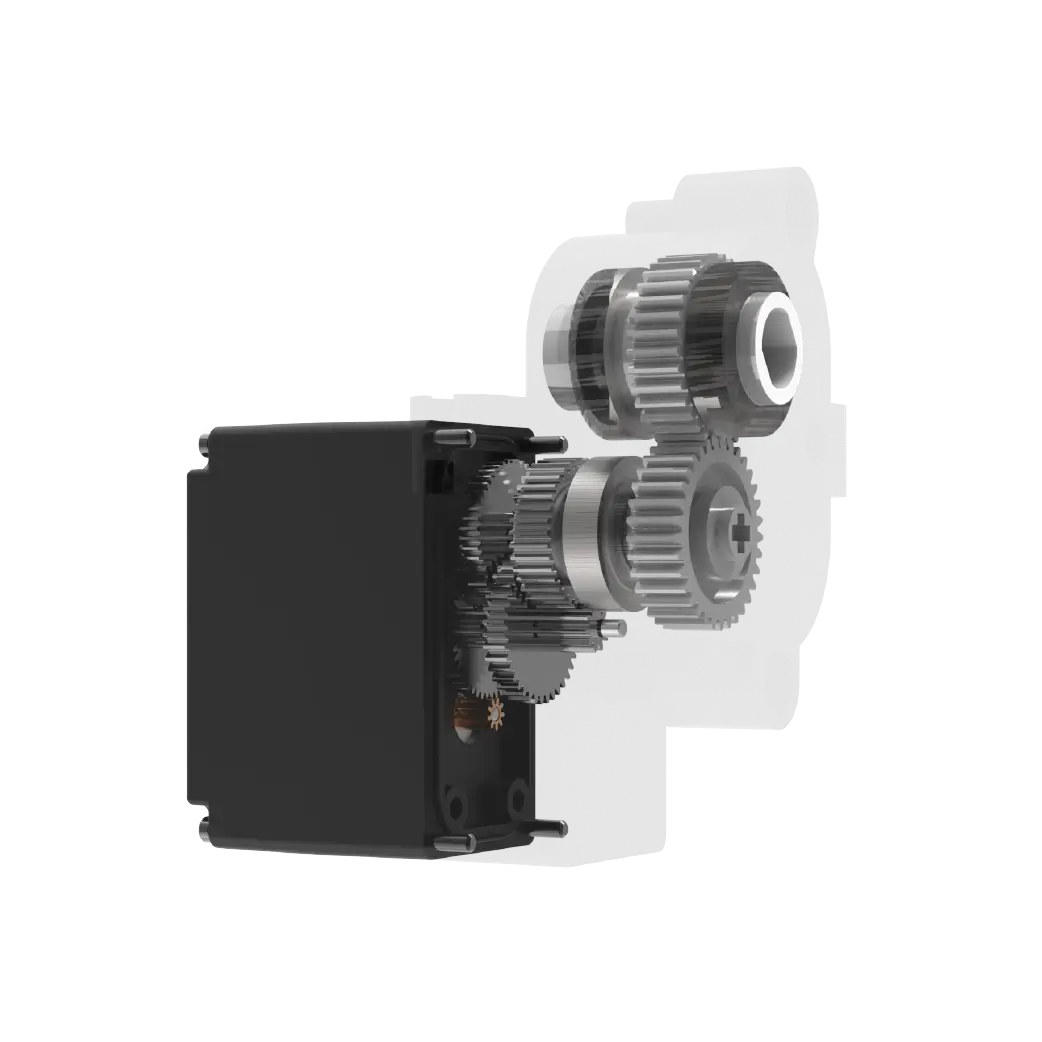
Inside the assembly, the DC motor's armature spins while a commutator and carbon brushes reverse current at each pole transition. Attached to the same shaft, or to the output through a reduction gear, sits the encoder. As the shaft rotates, the encoder generates discrete pulses or a continuous analog signal. A downstream controller reads those pulses, compares actual position or speed against the setpoint, and adjusts the voltage or pulse-width applied to the motor.
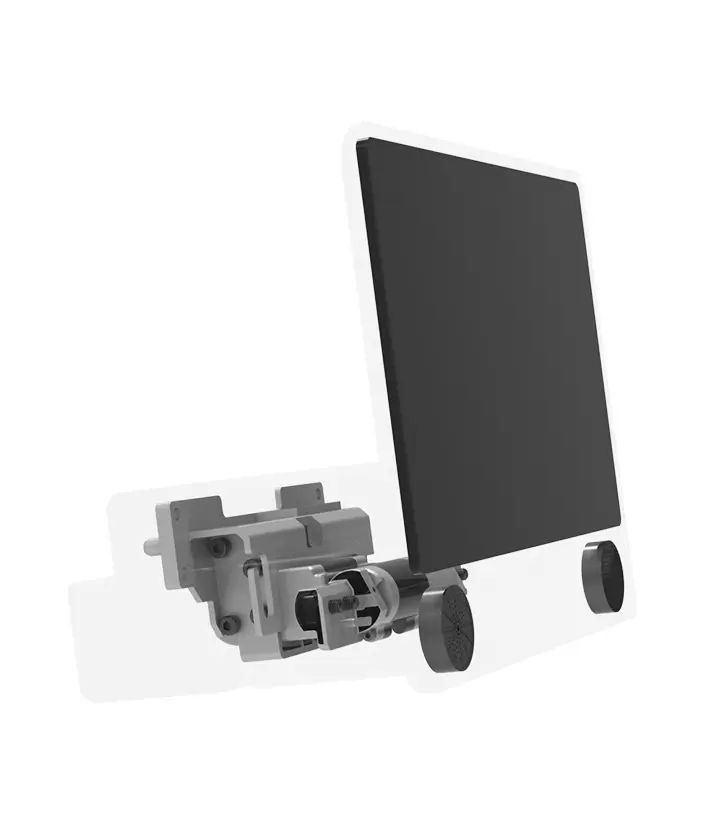
The detail most buyers overlook: the encoder is only as reliable as its mounting and its signal path. A loose coupling between motor shaft and encoder adds angular error that no amount of resolution can compensate. A long, unshielded encoder cable running through a high-EMI zone introduces noise that the controller interprets as speed fluctuation. Both look failures like a "motor problem" on the shop floor but are actually integration errors.
> Resolution, interface type, and frame size are the three parameters that will determine whether the unit performs on your line or fails during qualification testing.
Before sending a purchase order, confirm the following with the supplier:
Encoder resolution(counts per revolution, or PPR): determines the finest position increment your controller can detect. A 1,000 PPR encoder yields roughly 0.36° per step; a 4,096 PPR unit yields about 0.09°.
Electrical interface: open-collector, line, HTL, or analog. Must match your drive or PLC input circuit.
Frame size and shaft diameter: must fit your coupling or direct-drive mount.
Duty cycle and thermal class: a motor rated for S1 continuous operation will overheat if your application is actually S3 intermittent with high-start loads.
Abrushed DC motor with encoderremains the right choice when your budget is constrained, the speed range is moderate, and the operating environment is dust-light. Brush wear is the trade-off: expect periodic brush replacement or a defined service life of several thousand hours, depending on load and ambient temperature.
Move to abrushless DC motorwhen the duty cycle is continuous, the environment has particulate exposure, or you need a service interval longer than the machine's planned overhaul cycle. The encoder principle stays the same; what changes is the commutation method and the resulting maintenance profile.
In many material-handling and light-automation scenarios, the brushed unit with a quality encoder still delivers acceptable positioning at a lower upfront cost. The decision hinges on total cost of ownership over the planned equipment life, not just the sticker price on the quote sheet.
Q: What encoder resolution do I actually need?
It depends on your required positioning tolerance. Divide your smallest useful movement by the step angle (360° ÷ PPR). If the result is one step or less, resolution is adequate. For most conveyor and indexing applications, 1,000–2,048 PPR is sufficient.
Q: Can I use any encoder with any brushed DC motor?
No. The encoder must be mechanically keyed to the motor shaft or the output, and its electrical interface must match your drive. A mismatch in either dimension means the controller receives wrong or no feedback, and the loop cannot close.
Q: How long do the brushes last?
Brush life varies with load, ambient temperature, and commutation quality. In many cases, a properly loaded unit in a clean environment will last several thousand hours. Confirm the expected service interval with the supplier for your specific duty cycle.
Q: Do I need a separate drive, or does the motor include one?
Most encoder-equipped DC motors ship without a drive. You will need a compatible DC motor controller or a VFD with DC output that can accept the encoder signal. Verify the interface before ordering both components together.
Q: What happens if the encoder cable is damaged?
The motor continues to run open-loop, losing position and speed feedback. In a closed-loop application the controller will either stall or overdrive. Replace the cable promptly and re-zero the encoder before resuming operation.
The core question is not "which motor is strongest?" It is "which combination of frame, encoder resolution, and duty class eliminates your specific failure mode?" If your line rejects parts because speed drifts, a higher-PPR encoder and a tighter-tolerance motor will correct that. If maintenance cost spikes from unplanned downtime, matching the thermal class to your real duty pattern will extend equipment life by a meaningful margin.
When you are ready to move forward, send your application parameters—speed range, load torque, duty pattern, and environmental conditions—to the engineering team atkpower servo. A focused review of those numbers will surface the rightmotor encoder combinationfaster than any catalog browse. The team can verify resolution, interface compatibility, and thermal margins before a PO is cut.
Request a technical review or send your specifications, and the team will respond with a matched recommendation, typically within one to two business days.
Update Time:2026-09-29

Contact Kpower's product specialist to recommend suitable motor or gearbox for your product.


