



























TECHNICAL SUPPORT


Published 2026-09-30
01Quick Answer
TheD3536 brushless motor(35 mm stator, 36 mm stack) is a compact outrunner built for small propulsion and precision motion tasks. Its thrust output is not a single fixed figure. It shifts with propeller choice, voltage, ESC configuration, and mechanical load. In many applications, a well-matched D3536 delivers usable lift for micro-UAVs, RC platforms, and lightweight actuators. Before you commit to a build, verify the motor'sKV ratingagainst your target voltage, confirm the propeller diameter your airframe supports, and request the supplier'sthrust test dataunder your specific operating conditions. One spec sheet number rarely tells the full story.
02Introduction
You've probably pulled up a D3536 spec sheet, seen a single thrust figure, and assumed it's good to go. One number. No prop. No voltage. No load. In practice that figure can drift 30 percent or more depending on how you pair the motor with yourpropellerandESC. The result is an undersized prop, wasted battery energy, or a platform that simply won't clear the ground. What follows is a short, practical breakdown of what actually drives D3536 thrust and how to read the numbers correctly before you order.
03Why D3536 Thrust Numbers Mislead
A stock datasheet lists thrust at one voltage, one prop, sea-level density, zero vibration. Your operating day is rarely that clean. Battery sag, ambient temperature, prop wear, and humidity all pull the real-world number down. The D3536 is small enough that itspeak efficiency bandis narrow. Run it outside that window and thrust falls faster than the sheet suggests. Treat the published figure as an upper bound, not a guaranteed floor.
04Key Specs That Set Your Thrust Ceiling
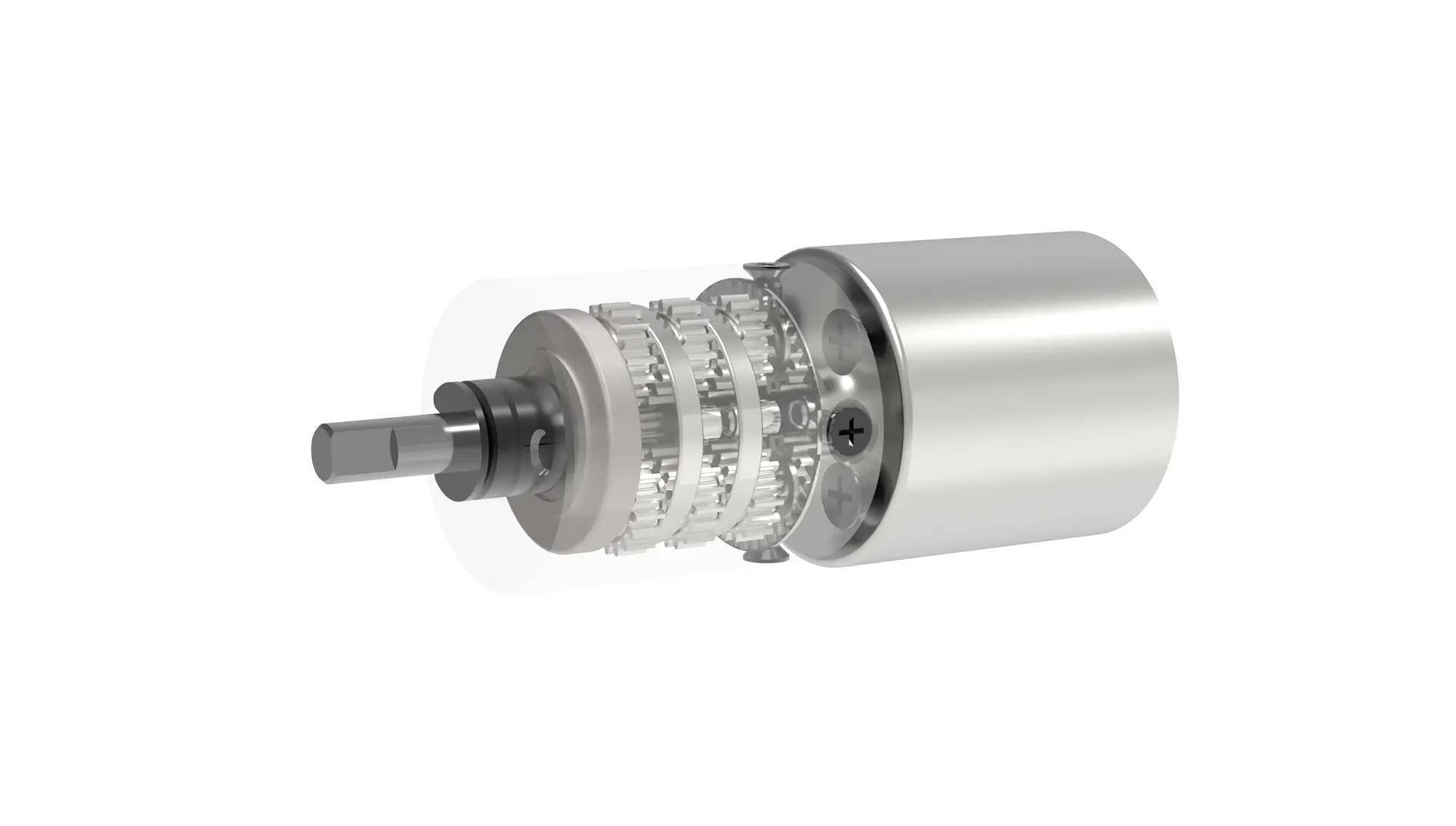
Three parameters dominate:
1. KV rating– higher KV spins faster at a given voltage, raising top-end RPM but shrinking the efficient operating window.
2. Winding turn count – fewer turns suit lightweight, high-speed props; more turns suit heavier props and longer run times.
3. Stator and magnet construction – determines sustained torque before thermal limits force derating.
In many cases themotor-propeller matchmatters more than the motor alone. The same D3536 on a 3S pack with a 7-inch prop behaves very differently from the same motor on 1S with a 5-inch prop.
05Propeller Matching: Where Most Buyers Go Wrong
The frequent mistake is picking the prop first and the motor second. Thrust scales roughly with the fourth power of prop diameter and the square of pitch. A slightly oversized prop on a 35 mm motor can push current past the ESC's continuous limit, triggering thermal shutdown mid-mission. Before ordering, confirm prop diameter fits the airframe, pitch stays under the motor's RPM ceiling at your voltage, and the ESC's continuous and burst ratings cover worst-case draw.
06Specs to Verify Before Ordering
A shortengineering reviewfrom the supplier's application team catches mismatches no spec sheet will surface.
07Practical Questions Before You Commit
How much thrust can a D3536 actually produce?
It depends on voltage, prop, and load. As a rough reference, a 35 mm outrunner on a 3S pack with a 7-inch prop often lands in the low-to-mid hundreds of grams. Verify against the supplier'sthrust curvefor your exact pairing.
Can I use the D3536 for sustained hovering?
Sustained hover pins the motor in a narrow efficiency band. For long hover times, pair the D3536 with a lower-KV winding and a larger, finer-pitch prop to cut current draw. Confirm thermal behavior over 20+ minutes of continuous operation before locking the design.
What ESC size should I pair with a D3536?
Size the ESC to the motor's peak current at your chosen prop, not no-load current. In many cases a 20–30 A continuous ESC covers typical 3S D3536 builds. Match theESC firmwareto the motor's pole count and winding type.
Does altitude affect D3536 thrust noticeably?
Yes. Thin air above 3,000 m reduces prop efficiency and forces higher RPM to hold the same thrust, pushing current up. If your platform operates above 1,500 m, requestaltitude-corrected thrust dataor build a 15–25 percent power margin into the system.
## Choosing the Right D3536 Build for Your Application
The D3536 is a capable, compact motor, but its thrust is only as good as the system around it—prop, ESC, voltage, thermal design. Before you lock in a BOM, send your operating parameters to the supplier for an application check.kpower servocan walk through themotion control applicationsyour platform demands and confirm the D3536 build will hold under real-world load. A short engineering call saves weeks of field debugging.
Update Time:2026-09-30

Contact Kpower's product specialist to recommend suitable motor or gearbox for your product.


