



























TECHNICAL SUPPORT


Published 2026-03-03
Speaking of special valves for steering gears, many friends who are new to ships or hydraulic systems may find them a bit unfamiliar. Simply put, it is a core "commander" in the steering gear hydraulic system, responsible for accurately controlling the flow direction and flow of hydraulic oil, so that the rudder can swing left and right obediently. If you get this valve wrong, not only will the steering gear not work properly, but it may also cause safety hazards. Therefore, understanding its specific function is particularly important for our selection, use and maintenance.
The steering gear valve is actually a hydraulic control valve specially designed for ship steering gear systems. It is different from an ordinary hydraulic valve because the steering gear has particularly high requirements on response speed and reliability. To understand simply, it is the intermediate link connecting the hydraulic pump and the steering gear actuator, responsible for converting operating instructions into the flow direction of hydraulic oil.
This valve usually integrates multiple functions, such as reversing, locking, overload protection, etc. Because a ship may encounter wind and waves at any time when sailing at sea, the control of the rudder must be precise and stable. Therefore, the design standards of special valves are much higher than ordinary industrial hydraulic valves, and special requirements such as corrosion resistance and anti-vibration must also be considered.
It is estimated that many ship owners have thought about this question. The answer is: Absolutely not! If the steering gear valve is broken, the steering gear will not work properly and the boat will lose directional control, which is as dangerous as a steering wheel failure on the highway. Maritime traffic regulations also have mandatory requirements for this, and the rudder system must have a redundant design.
If the steering gear valve suddenly gets stuck or leaks during navigation, the ship's side may be stuck at an angle and unable to return to the right position, or may not move at all. Especially in critical moments such as narrow waterways and docking and unberthing, the consequences of losing control will be disastrous. Therefore, you must regularly check and maintain it, deal with problems immediately if you find them, and never sail with a fault.
The reason why the special valve for the steering gear can improve the steering accuracy is mainly because its internal structure design and manufacturing process are very particular. For example, many special valves use a precise valve core and valve body to match, and the clearance is controlled to be very small, so that there is less hydraulic oil leakage and the rudder responds more directly.
In addition, the special valve usually has a hydraulic locking function. When the rudder is turned to the designated position, it can firmly lock the oil circuit to prevent the rudder from accidentally deflecting due to external forces (such as wave impact). In this way, the ship can be stably maintained on the set course, which is particularly practical for ships that need to sail in a straight line for a long time, and can also reduce the frequent adjustments of the autopilot.
When it comes to durability, currently most of the products with better market feedback are imported brands or domestic first-tier brands. For example, some valves that use ductile iron valve bodies and whose key components have undergone special heat treatment and surface hardening have relatively strong resistance to wear and corrosion. After all, the environment on the ship is humid, the salt spray is heavy, and the materials are not good and can easily get rusty and stuck.
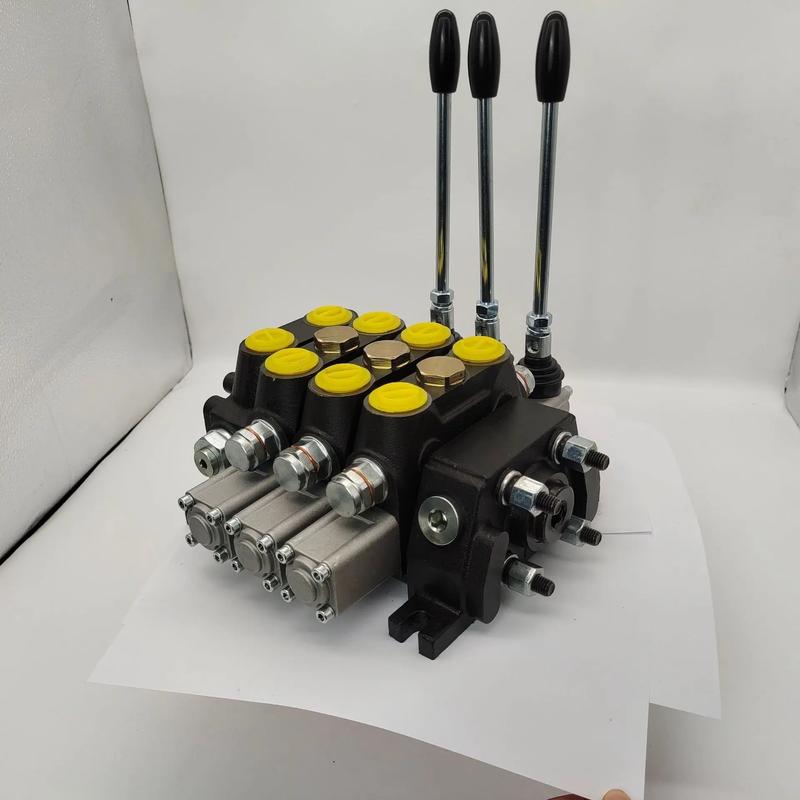
From the perspective of structural type, the durability of the cartridge valve group is usually better than that of ordinary plate valves. Because the cartridge valve has a compact structure, the internal flow path is better optimized, the hydraulic impact is small, and it is easy to repair and replace. Of course, durability depends not only on the product itself, but also on the cleanliness of the hydraulic oil. No matter how good the valve is, it will easily wear out if the oil is dirty.
When choosing a special valve for a steering gear, there are several core parameters that must be understood. The first is the working pressure, which must match the rated pressure of the steering gear system. Generally, the steering gear system pressure is between 10-30 MPa. If it is too small, it will not be used, and if it is too large, it will waste costs. The second is the diameter, which determines the flow rate and affects the rotation speed of the rudder.
And the control method of the valve, is it electro-hydraulic reversing or manual reversing? If it is a ship with a high degree of automation, you must choose one with an electromagnet. In addition, attention should also be paid to the connection form, whether it is a pipe connection or a plate connection, which is related to the installation space and the convenience of future maintenance. It is better to go to the supplier with samples or parameters of existing valves, which is safer.
Replacing the special valve for the steering gear is indeed a delicate job. If you make a mistake in the direction of the oil port or the voltage specification, big problems may occur. The first step is to check the model and nameplate to ensure that the specifications of the new valve are exactly the same as those of the old valve, especially the solenoid voltage. Do not confuse 24V DC and 220V AC.
Before installation, it is best to refer to the hydraulic schematic diagram and clearly mark the function of each oil port. P port is for oil inlet, T port is for oil return, and A and B are connected to the left and right chambers of the cylinder. When installing, pay attention to replacing the sealing ring with a new one and cleaning the valve body mounting surface. After connecting the oil pipe, do a trial run first, drain out the air, observe whether there is any leakage, whether the movement is smooth, and confirm that there is no problem before putting it into normal use.
The daily maintenance of the steering gear valve is actually not that complicated, but it requires persistence. The most important thing is to keep the hydraulic oil clean, check the oil quality and filter element regularly, and replace it in time if the oil becomes dirty or the filter element is clogged. Because hydraulic valves are most afraid of dirt, particulate pollutants will scratch the surface of the valve core, causing internal leakage to increase.
There is also a need to regularly check whether there is oil leakage on the outside of the valve and whether the joints are loose. You can manually operate the emergency handle on the valve (if there is one) every three months or so to prevent it from being stuck for a long time. In addition, pay attention to the waterproof condition of the electrical junction box of the valve. There is heavy moisture on the deck and the terminals are prone to corrosion. It is best to open and inspect and clean it once a year.
After reading this, do you have a more comprehensive understanding of the steering gear valve? I would like to ask everyone, what is the most troublesome steering gear valve failure that you have encountered in actual use? Welcome to share your experience in the comment area. If you find the article useful, don’t forget to like and save it so that more shipmates can see it!
Update Time:2026-03-03

Contact Kpower's product specialist to recommend suitable motor or gearbox for your product.


