



























TECHNICAL SUPPORT


Published 2026-07-17
01MasteringservoSelection for Autonomous Driving: Key Parameters & Model Guide
Quick Answer
Selecting the rightservofor autonomous driving requires prioritizing high torque density, rapid response time, and precision control over basic functionality. You must match theservomotor selectioncriteria to your specific actuation needs, such as steering, or throttle management. Always verifytorque requirementsagainst peak load scenarios and ensure compatibility with your vehicle's communication protocols like CAN bus. Ignoring thermal management or backlash specifications can lead to critical failures. For reliablecustom servo solutions, prioritize brands likekpowerservothat offer robust braking engineering support and rigorous testing standards.
Introduction
Autonomous vehicles demand absolute reliability from every component. A single servo failure can compromise safety. Engineers and procurement managers face immense pressure. They need servos that perform flawlessly under extreme conditions. The market offers thousands of options. Distinguishing between adequate and exceptional components is difficult. Many teams struggle with inconsistent performance. interference. These factors degrade performance rapidly. You need a servo engineered specifically for these challenges. Understanding the technical nuances prevents expensive mistakes. This guide breaks down the essential parameters. It helps you make informed decisions quickly.
Why Precision Matters in Autonomous Actuation
Precision defines the quality of autonomous movement. A servo with poor accuracy causes jittery steering. It results in uneven braking responses. These errors accumulate over time. They affect passenger comfort and safety. In autonomous systems, milliseconds matter. Delayed response times increase stopping distances.Motion control applicationsrequire immediate feedback loops. encoders provide detailed position data. This allows the central computer to make precise adjustments. Without this level of detail, the vehicle cannot navigate complex environments safely.
Key Specifications to Evaluate
Not all specifications carry equal weight. Focus on metrics that impact real-world performance. Torque is obvious but often misunderstood. Rated torque ensures continuous operation. Peak torque handles short bursts of heavy load. You must calculate both based on your mechanical linkage. Speed is equally critical. No-load speed determines how fast the actuator moves. Loaded speed drops significantly under stress. require robust power management. Efficiency impacts battery life. Electric autonomous vehicles rely heavily on energy conservation. Low-efficiency servos drain batteries unnecessarily. Thermal rating determines longevity. Servos generate heat during operation. Poor thermal dissipation leads to overheating and shutdown.
Communication Protocols and Integration
Modern autonomous vehicles use digital networks. Analog signals are obsolete for critical controls. The servo must communicate seamlessly with the vehicle's brain. CAN bus is the industry standard. It offers high reliability and error checking. Some systems use Ethernet for higher bandwidth. Ensure the servo supports the required protocol version. Simplifying integration reduces development time. It also minimizes potential software bugs. Verify compatibility with your existing hardware architecture before purchasing.
Environmental Durability and Safety Standards
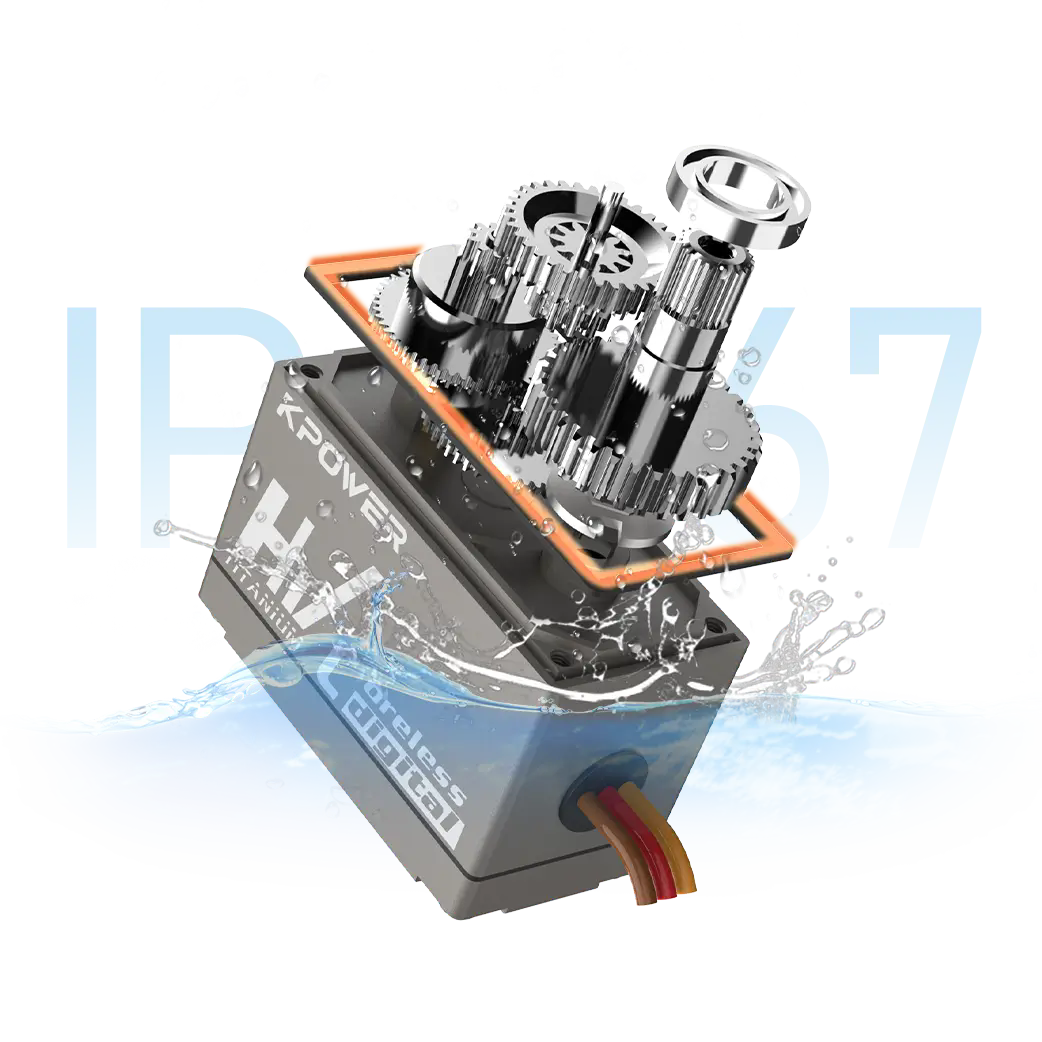
Automotive environments are harsh. Temperature extremes fluctuate daily. Vibration from the road is constant. Moisture and dust pose significant threats. Standard industrial servos lack adequate protection. You need high IP ratings. IP67 or higher is recommended for external components. Internal components should be sealed against moisture. Materials must withstand UV exposure and chemical spills. Safety certifications are non-negotiable. fails safely if something goes wrong. Redundancy features add an extra layer of security. Dual encoders or redundant windings can prevent total failure.
Comparison of Servo Types for Autonomous Vehicles
Choosing the right type depends on your application. Here is a breakdown of common options.
DC brushless servos offer a good balance of cost and performance. They are widely used in steering actuators. AC servos provide superior control for heavy loads. They are ideal for braking systems. Stepper servos are generally unsuitable due to slow response. They lack feedback mechanisms for real-time correction. Linear servos eliminate mechanical transmission losses. They are excellent for direct drive applications but are expensive.
Common Mistakes in Servo Procurement
Many teams make critical errors during procurement. They focus solely on price. Low-cost servos often lack durability. They fail prematurely in automotive conditions. Another mistake is ignoring thermal constraints. Overlooking heat dissipation leads to burnout. Engineers also underestimate communication latency. datasheets. Data sheets show ideal conditions. Reality is different.
Questions Buyers Often Ask
Q: How do I determine the correct torque rating?
A: Calculate the peak force required at the point of actuation. Include safety margins for acceleration and friction. Consult withkpowerservoengineers for precise calculations.
Q: Are analog servos suitable for autonomous driving?
A: Generally no. Digital servos offer better noise immunity and faster response. Analog systems are prone to interference in electric vehicles.
Q: What is the expected lifespan of an automotive servo?
A: Lifespan varies by usage and environment. High-quality servos typically last 5-10 years. Proper maintenance extends this duration significantly.
Q: Can I use industrial servos in automotive applications?
A: It is risky. Industrial servos lack necessary environmental sealing and vibration resistance. Automotive-specific designs are safer choices.
Q: How important is encoder resolution?
A: Highly important. Higher resolution allows for finer control. It improves smoothness and accuracy in delicate maneuvers.
Q: What warranty should I expect?
A: Reputable manufacturers offer 1-2 year warranties. Extended warranties indicate confidence in product reliability.
Q: Do I need a dedicated driver for each servo?
A: Yes, most servos require individual drivers. Centralized controllers manage multiple drivers via network.
Q: How does temperature affect performance?
A: Extreme temperatures reduce torque output. Ensure the servo operates within its rated thermal range.
Making a Better Long-Term Decision
Selecting the right servo is a strategic decision. It impacts safety, performance, and cost. Rushing the selection process leads to problems. Take time to evaluate specifications thoroughly. Engage with experienced suppliers earlyinthe design phase. They can provide valuable insights.
Update Time:2026-07-17

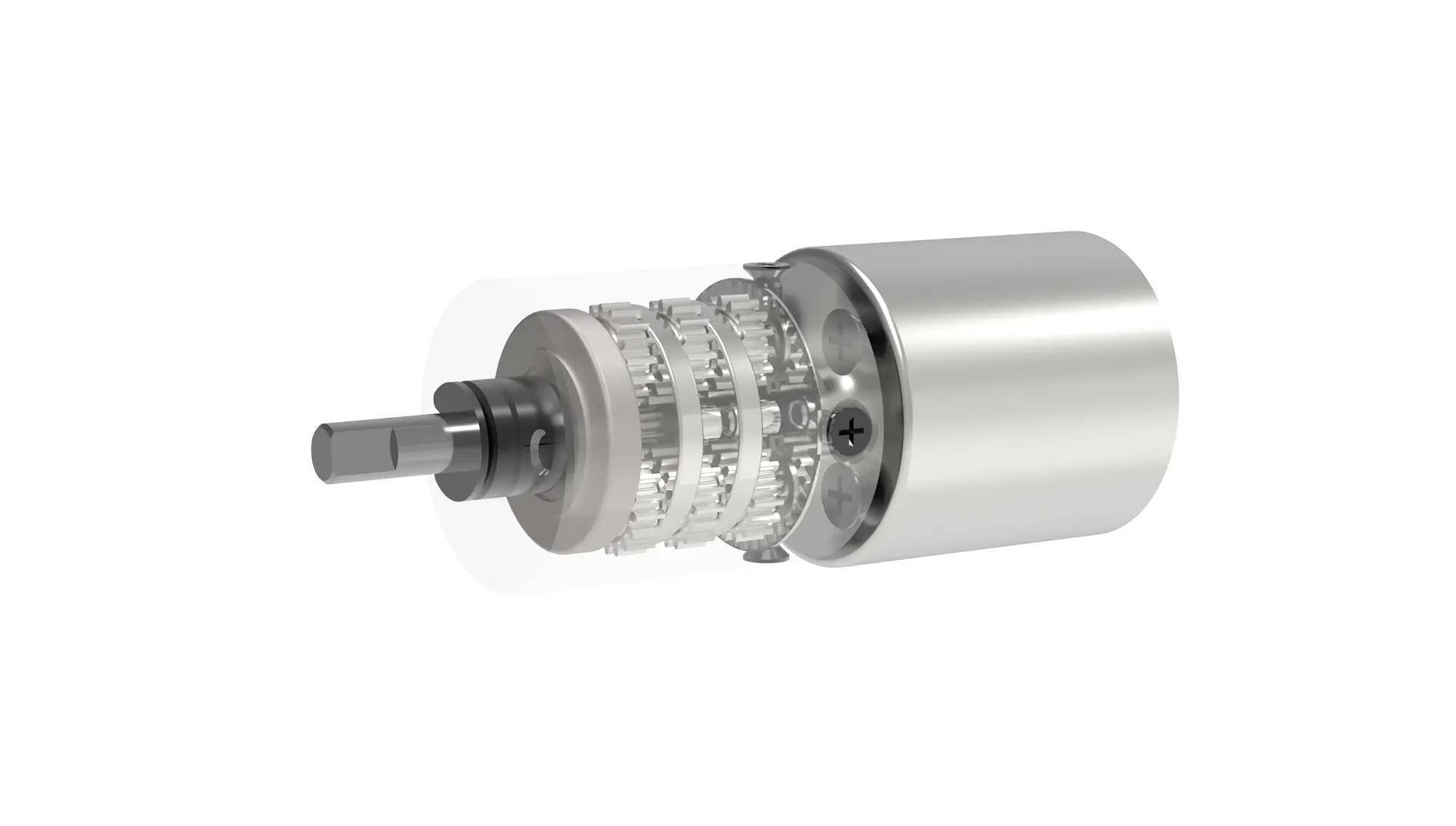
Contact Kpower's product specialist to recommend suitable motor or gearbox for your product.


