



























ASSISTANCE TECHNIQUE


Publié 2026-07-16
Réponse rapide
ÉtiquetageSPTservomoteurmoteursComme universellement, la « mauvaise qualité » est une idée fausse enracinée dans la confusion entre les modèles budgétaires génériques et les composantes industrielles établies. Même si les variantes d'entrée de gamme peuvent manquer de la précision des marques de niveau 1 comme Siemens ou Panasonic, de nombreuses unités SPT offrent des performances robustes pour les tâches d'automatisation à faible coût. Le facteur critique consiste à adapter les exigences spécifiques en matière de couple, de vitesse et de résolution à l’application. Pour des convoyeurs simples ou un positionnement de base, ils sont rentables ; pour les CNC ou la robotique à haute dynamique, leurs limites en matière de gestion thermique et de correction des erreurs deviennent évidentes. Vérifiez toujours les fiches techniques par rapport à votre taux d’inertie de charge avant d’acheter.
01Introduction : Le paradoxe coût-qualité dans les achats d'automatisation
Les responsables des achats sont souvent confrontés à un dilemme frustrant : comment concilier des contraintes budgétaires strictes et la nécessité d'une disponibilité de production fiable. Lors de l'approvisionnement en composants de contrôle de mouvement, des questions telles que "Est-ce que SPTservomoteurqualité mauvaise ?" découlent souvent d'anecdotes négatives concernant une surchauffe ou un couple incohérent. Ces expériences proviennent généralement d'une mauvaise application plutôt que de défauts de fabrication inhérents. Comprendre où ces problèmesservomoteurL'excellence - et là où ils échouent - est essentielle pour prendre des décisions éclairées en matière de dépenses d'investissement. Ignorer cette nuance peut entraîner des temps d’arrêt coûteux, alors que les exploiter correctement améliore considérablement le retour sur investissement.
02Comprendre la position du marché des servos SPT
SPT (souvent associé à des fabricants régionaux spécifiques ou à des lignes de marque génériques) occupe généralement le niveau moyen à bas du marché mondial des servos. Contrairement aux marques haut de gamme qui investissent massivement dans des algorithmes propriétaires et des aimants de terres rares de haute qualité, SPT se concentre sur la fourniture de solutions de contrôle de mouvement fonctionnelles et accessibles. Ce positionnement signifie que leurs produits sont conçus pour des applications générales plutôt que pour des environnements d'extrême précision.
Applications cibles :Machines d'emballage de base, lignes d'assemblage simples et prototypes pédagogiques.
Approvisionnement en composants :Utilisation d'encodeurs de qualité standard et d'enroulements en cuivre au lieu d'alternatives spécialisées.
Structure de soutien :Dépendance aux réseaux de distributeurs plutôt qu’aux équipes de support technique directes.
Cette différence structurelle explique pourquoi certains utilisateurs perçoivent la qualité comme « mauvaise ». Ils sont souvent déployés dans des applications à fortes contraintes où les composants moins chers ne peuvent pas résister aux charges thermiques et mécaniques. Reconnaître cette frontière est la première étape vers unesélection du servomoteur .
03Performance technique : forces et limites
Pour évaluer objectivementServomoteur SPTperformances, il faut examiner les paramètres techniques clés : cohérence du couple, résolution de l'encodeur et stabilité thermique.
Caractéristiques de couple et de vitesse
La plupart des servos SPT fournissent un couple de maintien adéquat pour les charges statiques ou à mouvement lent. Cependant, dans des conditions dynamiques, telles qu'une accélération et une décélération rapides, la courbe de couple peut s'aplatir plus tôt que prévu. Cette limitation est due à des circuits de commande plus simples, dépourvus du contrôle avancé de boucle de courant que l'on trouve dans les modèles haut de gamme. Pour les applications nécessitant une force constante à des vitesses élevées, cela peut entraîner des pas manqués ou des erreurs de position.
Résolution et précision de l'encodeur
Le dispositif de rétroaction est essentiel pour le contrôle en boucle fermée. Les servos économiques utilisent souvent des encodeurs incrémentaux avec un nombre de lignes inférieur (par exemple, 1 000 à 2 000 PPR). Bien que suffisante pour un positionnement de base, cette résolution limite la répétabilité. En revanche, les codeurs absolus ou les incréments à nombre de lignes élevé (20 bits et plus) que l'on trouve dans les marques haut de gamme offrent une précision supérieure. Les acheteurs doivent évaluer si leur application tolère le potentiel de dérive associé à un retour à faible résolution.
Gestion thermique
La dissipation thermique est un point de défaillance courant pour les servos économiques. Les moteurs SPT peuvent avoir des dissipateurs thermiques plus petits ou une isolation des enroulements moins efficace. Dans des cycles de service continus, la température du moteur peut augmenter rapidement, déclenchant des arrêts de protection thermique ou dégradant les performances de l'aimant au fil du temps. Un dimensionnement approprié avec une marge de sécurité est crucial pour éviter une défaillance prématurée.
04Comparaison : SPT et marques premium
Lorsque vous décidez entre différents niveaux de contrôle de mouvement, il est essentiel de comprendre les compromis. Le tableau suivant compare les caractéristiques typiques des servos économiques tels que SPT avec celles des leaders établis de l'industrie.
Cette comparaison met en évidence que même siServomoteur SPTLes moteurs offrent des avantages de coût significatifs, mais ils nécessitent une surveillance technique plus minutieuse pour garantir qu'ils répondent aux exigences opérationnelles.
05Mauvaises applications et risques courants
La perception de mauvaise qualité provient souvent de l'utilisation de ces moteurs au-delà de leurs limites de conception. Plusieurs erreurs courantes conduisent à des échecs prématurés :
1. Surcharge du taux d'inertie :L’utilisation d’un petit servo pour piloter une charge lourde provoque une consommation de courant et une chaleur excessives.
2. Ignorer les conditions ambiantes :Le fonctionnement dans des environnements à haute température sans déclassement du moteur accélère la rupture de l'isolation.
3. Mauvais réglage :Les pilotes économiques pardonnent moins les paramètres de réglage PID incorrects, entraînant des oscillations et des contraintes mécaniques.
4. Alimentation électrique inadéquate :L'utilisation de sources d'alimentation instables peut endommager les composants électroniques sensibles du servomoteur.
Pour atténuer ces risques, les ingénieurs doivent effectuer des calculs de charge rigoureux et assurer des contrôles environnementaux appropriés. Consulter les directives techniques pourapplications de contrôle de mouvementest fortement recommandé.
06Comment choisir le servo adapté à vos besoins
La sélection du servo optimal implique bien plus que la simple comparaison des étiquettes de prix. Cela nécessite une évaluation globale de vos besoins opérationnels.
Étape 1 : Définir les exigences de charge :Calculez le couple, la vitesse et l'inertie maximum requis pour votre axe spécifique. Ajoutez une marge de sécurité de 20 à 30 %.
Étape 2 : Évaluer les besoins en précision :Déterminez la répétabilité requise. Si une précision au niveau micrométrique est nécessaire, les servos économiques peuvent ne pas suffire.
Étape 3 : Évaluer le cycle de service :La machine fonctionne-t-elle en continu ou par intermittence ? Un service continu exige une meilleure gestion thermique.
Étape 4 : Vérifiez la compatibilité :Assurez-vous que l'interface servo (impulsion/direction, EtherCAT, CANopen) correspond à votre automate ou contrôleur.
En suivant cette approche structurée, vous pouvez éviter les pièges liés aux équipements mal adaptés. Ce processus méthodique soutient mieuxsélection du servomoteurrésultats.
07Lignes directrices décisionnelles : quand utiliser les servos SPT
Toutes les applications n’exigent pas un tarif plus élevé.Servomoteur SPTles moteurs sont un excellent choix pour :
Applications à faible vitesse et à couple élevé comme les bandes transporteuses.
Tâches de positionnement non critiques où une dérive mineure est acceptable.
Phases de prototypage où le coût est la principale contrainte.
Rénovation de machines plus anciennes où la compatibilité avec les systèmes existants est essentielle.
A l’inverse, évitez-les pour :
Routeurs CNC ou découpeuses laser à grande vitesse.
Bras robotiques nécessitant une planification de trajectoire précise.
Environnements de salle blanche exigeant un fonctionnement silencieux et sans chaleur.
Comprendre ces limites vous garantit de maximiser la valeur sans compromettre l’intégrité de la production.
08Questions pratiques avant d'acheter
Q : Les servos SPT sont-ils compatibles avec les principaux automates ?
R : La plupart prennent en charge les entrées d'impulsion/direction standard. Pour la communication par bus de terrain, vérifiez la compatibilité du protocole spécifique avec la marque de votre contrôleur.
Q : Comment fonctionne la couverture de garantie ?
R : Généralement géré par des distributeurs. Vérifiez les politiques de retour et les délais de réparation avant de vous engager dans des commandes importantes.
Q : Puis-je les utiliser pour le levage à axe vertical ?
R : Oui, mais seulement s'il est équipé d'un frein ou si l'inertie de la charge est très faible pour éviter toute dérive.
Q : Nécessitent-ils un logiciel de réglage spécial ?
R : Le réglage de base peut être effectué via des potentiomètres ou un simple logiciel série. Le réglage avancé peut nécessiter des outils dédiés.
Q : Quelle est la durée de vie prévue ?
R : Avec un refroidissement et une charge appropriés, les roulements durent plus de 20 000 heures. La durée de vie de l'électronique dépend fortement de la température ambiante.
Q : Les pièces de rechange sont-elles faciles à trouver ?
R : Les encodeurs et les freins sont généralement de taille standard. Les connecteurs personnalisés peuvent nécessiter une adaptation.
09Prendre une meilleure décision à long terme
Le choix entre rentabilité et fiabilité hautes performances dépend entièrement de votre contexte opérationnel spécifique.Servomoteur SPTles moteurs ne sont pas intrinsèquement « mauvais » ; ce sont simplement des outils conçus pour un segment spécifique du marché. En alignant leurs capacités sur les applications appropriées, les entreprises peuvent réaliser des économies significatives sans sacrifier les fonctionnalités nécessaires.
Pour les projets complexes et très dynamiques, investir dans des marques haut de gamme peut générer un meilleur retour sur investissement à long terme grâce à une réduction des temps d'arrêt et une plus grande précision. Pour une automatisation standard et sensible aux coûts, SPT offre une solution viable et économique.
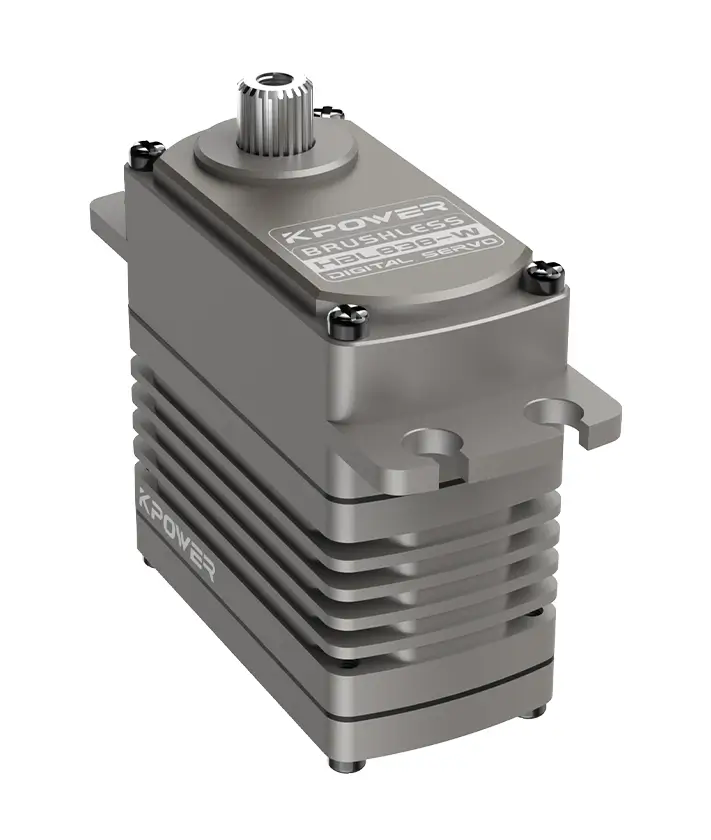
Si vous évaluezServomoteur SPToptions pour votre prochain projet, pensez à demander un examen technique à des ingénieurs expérimentés. Ils peuvent vous aider à vérifier les courbes de couple et les profils thermiques par rapport à vos exigences de charge spécifiques. Pour des spécifications détaillées sursolutions d'asservissement personnaliséesou pour comparerservo analogique ou numériquevariateurs, en contactant un fournisseur spécialisé commekpuissanceservomoteurpeut fournir la clarté nécessaire à des décisions d’approvisionnement sûres. Assurez-vous que votre choix est étayé par des données, et pas seulement par votre réputation.
Heure de mise à jour:2026-07-16

Contactez le spécialiste des produits Kpower pour recommander un moteur ou une boîte de vitesses adapté à votre produit.


