



























TECHNICAL SUPPORT


Published 2026-10-01
Quick Answer
Adrone motor speed controller—most commonly called an ESC—regulates three-phase current to brushless motors and directly governs throttle response, thermal headroom, and hover stability. Before specifying or purchasing one, verify five parameters: continuous and burst current rating, BEC output voltage and amperage, firmware throttle curve, signal protocol, and thermal derating behavior. Mismatching any of these against your motor's torque requirements or frame power budget typically leads to overheating, lost throttle authority, or premature field failure. In many procurement situations, the ESC is selected on unit price alone, and the thermal margin is never validated against the actual duty cycle. That gap is where most in-service failures originate.
Introduction
You have probably watched a motor run hot on a 20-minute bench soak, seen a brownout cut the flight controller mid-hover, or received a batch of ESCs that simply would not pass sustained throttle testing. The pattern repeats across FPV, agricultural spraying, and industrial inspection platforms: the ESC is specified on price, not on verified thermal and current margin. The result is a component that looks fine on the datasheet but derates the moment real prop wash, gust loads, and sensor draw stack up in the field.
Why ESC Choice Decides Your Flight Envelope
The ESC sits between the flight controller's DShot or PWM signal and the motor windings. It converts DC battery voltage into three-phase AC, and every switching cycle determines how fast the motor spool-up, how smoothly it holds RPM under gust, and how much heat the FET stack must dissipate. In many cases, two controllers rated at the same nominal current will deliver materially different thermal performance because of MOSFET generation, PCB copper thickness, and firmware current-loop tuning. That difference surfaces as motor derating at sustained throttle, jittery hover, or a hard cutout under rapid pitch changes. Choosing on price alone means absorbing that risk on every flight.
Five Specs to Verify Before Ordering
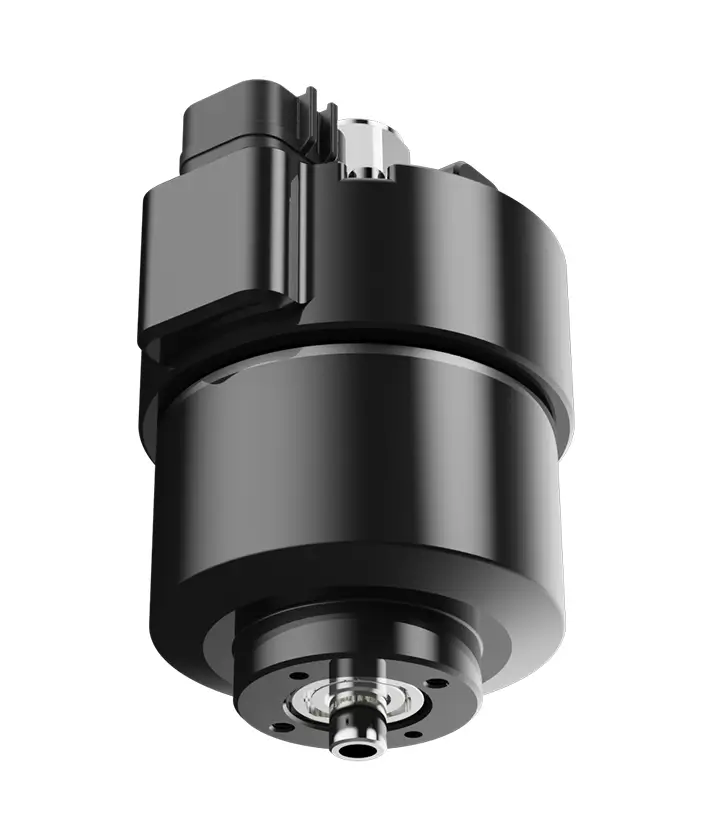
Before you lock a part number, pull the vendor datasheet and check the following against your actual duty cycle, not just the motor's peak figure.
Fordrone motor speed controllerselection in agricultural or inspection builds, BEC amperage often becomes the hidden bottleneck. A 3 A BEC may not sustain a full sensor suite plus a 12 V telemetry radio, and the flight controller will brownout before the motor ever reaches its limit.
Mistakes That Cost More Than the ESC Itself
Three errors surface with unusual frequency in procurement conversations:
Specifying ESC on motor stall current without a safety multiplier, so the controller derates the instant the prop catches a gust or the battery sags under load.
IgnoringBEC voltageheadroom. A 5.1 V BEC feeding a 5.0 V GPS rail leaves almost no margin for sag under transient sensor draw.
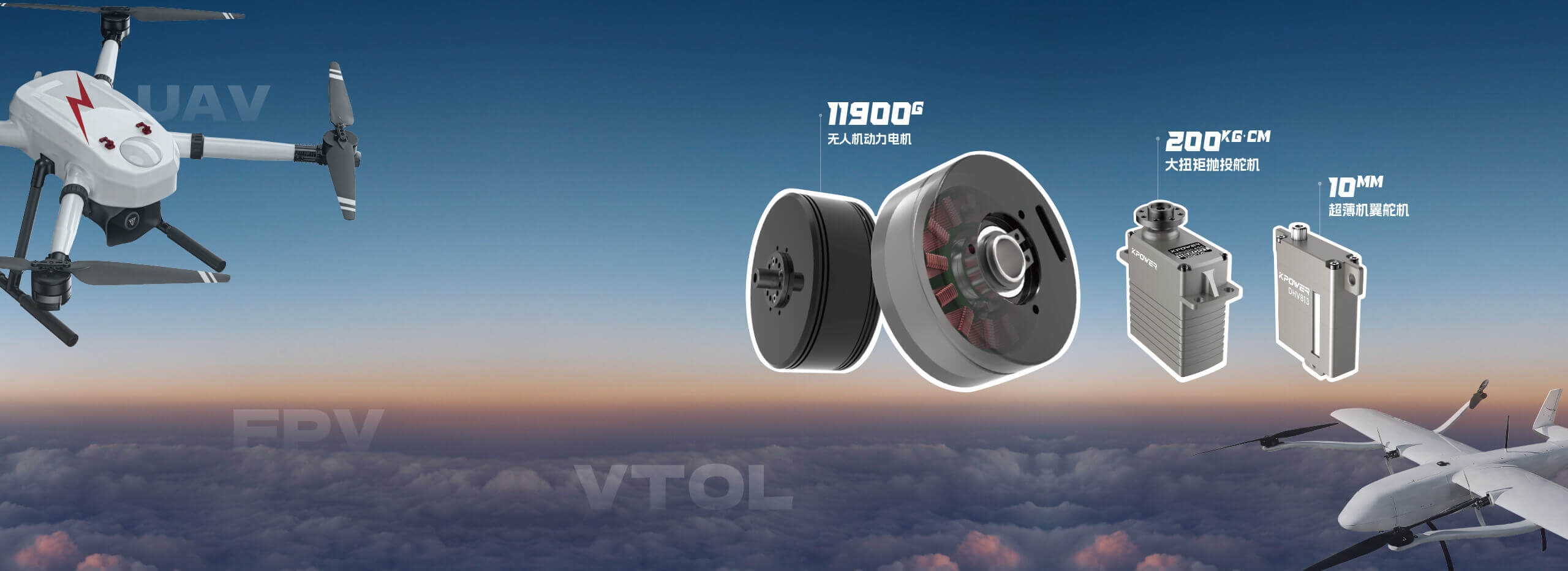
Treating firmware as a fixed, one-size-fits-all profile. Many modern ESCs ship with a default throttle curve that is not tuned for the motor's inductance, causing sluggish low-end response or overshoot at the top end. Re-flashing or selecting the correctESC firmwareprofile is often the cheapest performance gain available before you spend a single dollar on hardware.
Practical Questions Before You Specify
Q: How do I match ESC current to my motor and prop?
A: Use 70% of the motor's peak current as your continuous-rating floor. Confirm the ESC handles at least 130% of stall current for no fewer than three seconds. Always verify against your specific prop diameter, pitch, and battery cell count, not the motor specification in isolation.
Q: DShot or PWM—which should I specify?
A: DShot600 or DShot1200 is the current default for new builds. It reduces control-loop latency, supports bidirectional telemetry for live current monitoring, and eliminates signal noise that plagues PWM over long wire runs. PWM remains acceptable only on legacy platforms where the flight controller does not support DShot.
Q: What BEC amperage do I actually need?
A: Sum the quiescent and peak draw of every board on the main rail—flight controller, GPS, telemetry radio, camera, and any 5 V peripheral. Then add roughly 25% headroom. In many industrial inspection builds that total exceeds 4 A, so a 3 A BEC will brownout under combined load.
Q: Can I mix ESCs from different manufacturers on one airframe?
A: You should not. Mismatched firmware current-loop tuning and throttle curves between units create asymmetric motor response, which the flight controller compensates for by reducing overall throttle authority. Stick to one vendor and one firmware revision across all motors.
Q: What support should I expect from an ESC supplier for a custom platform?
A: A capable supplier should run a thermal and current-soak test on your exact motor-prop-battery combination before delivery, then provide a verified continuous-current profile and a recommendedthrottle responsecurve. If your application falls outside a standard product line, ask whether they can develop acustomservosolutionsvariant with matched thermal packaging and derating documentation.
Choosing the Right Drone Motor Speed Controller
The right ESC is not the cheapest unit that lists your motor's peak current. It is the one whose continuous thermal margin, BEC headroom, firmware curve, and signal protocol have been verified against your actual duty cycle and operating envelope. Send your motor specification, prop size, and battery configuration to our engineering team atkpower servo, and we will return a matched ESC recommendation with thermal validation data. For platforms outside our standard line, we can scope a custom with matched variant thermal packaging. One email with your specs is enough to start the review.
Update Time:2026-10-01

Contact Kpower's product specialist to recommend suitable motor or gearbox for your product.


