



























SUPPORTO TECNICO


Pubblicato 2026-07-17
Risposta rapida
Scegliere il giustoVolzservoLa soluzione richiede di dare priorità alla precisione di posizionamento e alla risposta dinamica rispetto alla coppia erogata. Mentre molti concentrano gli acquirenti esclusivamente sulla potenza di picco, l’automazione ad alte prestazioni richiede uno stretto controllo delle tolleranze per prevenire errori cumulativi nei sistemi multiasse. Una mancata corrispondenzaservocaratteristiche spesso portano ad un aumento del tasso di scarto e a tempi di inattività non pianificati. Pertanto, valutareservoselezione del motorecriteri basati su profili di carico specifici e requisiti di accelerazione sono fondamentali per garantire stabilità operativa a lungo termine e massimizzare il ritorno sull'investimento in ambienti di produzione complessi.
01Il paradosso del servo Volz: perché la precisione conta più della potenza nell'automazione moderna
Negli ambienti produttivi ad alto rischio, la differenza tra un cambiamento redditizio e un fallimento catastrofico spesso risiede nei micromovimenti di un singolo componente. I team di procurement si trovano spesso ad affrontare un dilemma quando specificano i sistemi di controllo del movimento: dovrebbero dare priorità alla massima capacità di coppia o alla massima fedeltà di posizionamento? Per le applicazioni che richiedono una sincronizzazione complessa, come l'assemblaggio di precisione, la manipolazione di semiconduttori o la produzione di dispositivi medici, la risposta è inequivocabilmente quest'ultima. Comprendere il ruolo sfumato diServoVolzla tecnologia non è più un optional; è un requisito fondamentale per mantenere un vantaggio competitivo in un settore in cui i millimetri si traducono in milioni.
Questa guida esplora il motivo per cui la precisione supera la forza bruta, come valutare in modo efficace i servosistemi e i costi nascosti derivanti dalla scelta sbagliata. Spostando l'attenzione dai semplici parametri di potenza alle prestazioni dinamiche complete, i decisori possono garantire soluzioni che migliorano la qualità, riducono gli sprechi e prolungano la durata delle apparecchiature.
Il costo nascosto di una coppia "abbastanza buona".
Molti ingegneri inizialmente specificano i servo in base ai requisiti di coppia statica, partendo dal presupposto che un motore in grado di sollevare un carico sia sufficiente per spostarlo con precisione. Questo approccio trascura le forze dinamiche in gioco durante i cicli rapidi di accelerazione e decelerazione. Quando un servo non ha la rigidità necessaria o la risoluzione del feedback, anche le deviazioni più piccole si accumulano nel corso di migliaia di cicli. Questi errori si manifestano come difetti del prodotto, disallineamenti ed eventuale usura meccanica.
La conseguenza non è solo il rifiuto immediato della merce, ma anche un aumento dei costi di manutenzione. Un servo che funziona al di fuori della sua banda di precisione ottimale genera calore e vibrazioni in eccesso, accelerando il guasto dei cuscinetti e riducendo l'affidabilità complessiva della cella automatizzata. Al contrario, un servo ad alta precisione opportunamente selezionato mantiene la coerenza, garantendo che ogni movimento sia ripetibile entro micron. Questa ripetibilità è il fondamento della produzione snella, poiché incide direttamente sulla produttività e sul costo unitario.
Specifiche chiave per la valutazione della precisione
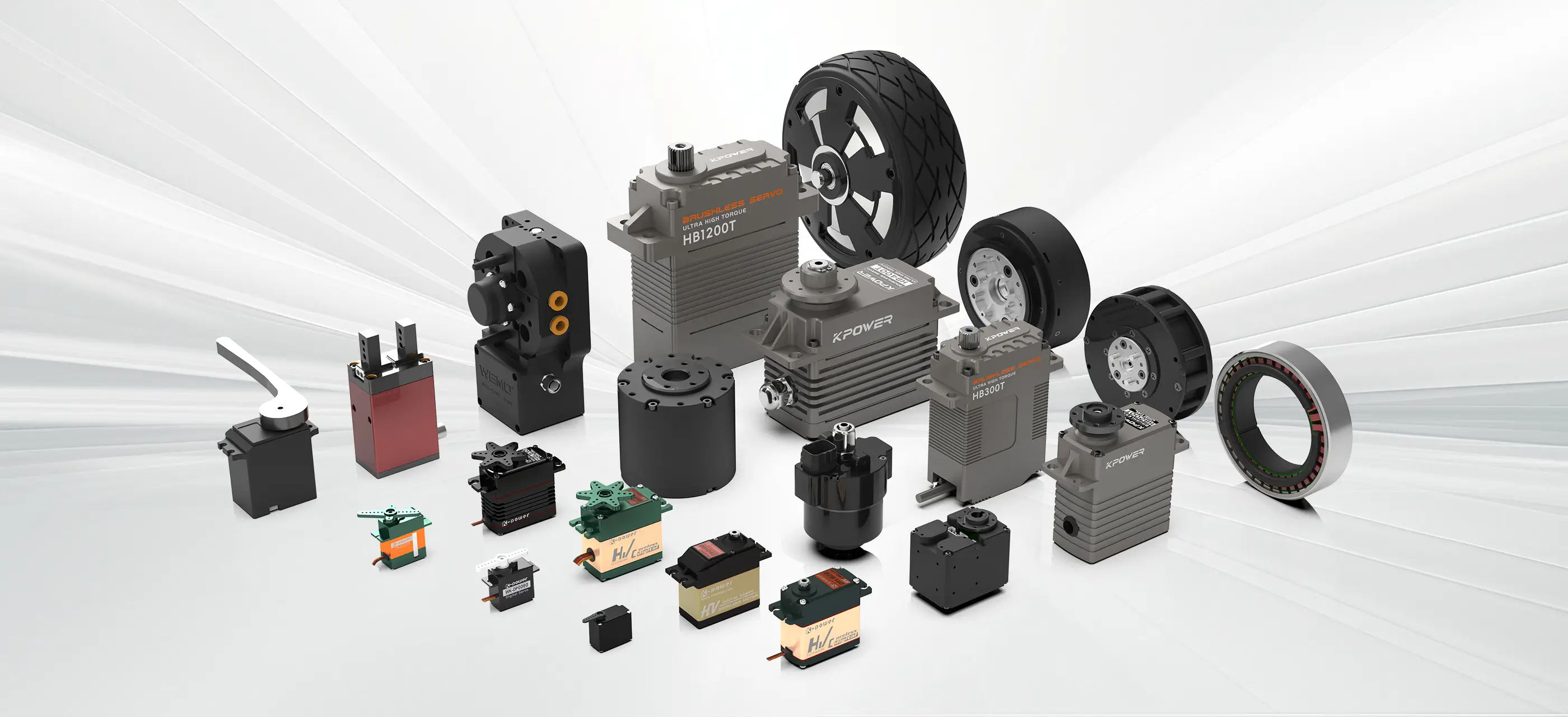
Per andare oltre le potenze nominali di base, gli acquirenti devono esaminare diversi parametri tecnici che definiscono le capacità di precisione di un servo. Queste specifiche determinano la capacità del sistema di tracciare le posizioni comandate e di respingere i disturbi esterni.
Nel valutaresoluzioni servo personalizzate, è essenziale richiedere schede tecniche dettagliate che includano questi parametri di prestazione dinamica anziché solo valutazioni in stato stazionario. Un servo con coppia moderata ma rigidità e larghezza di banda eccezionali spesso supera un'unità a coppia elevata con scarsa risposta dinamica in compiti ad alta precisione.
Risposta dinamica e capacità di carico statico
Un malinteso comune è che carichi con inerzia più elevata richiedano motori proporzionalmente più grandi. Sebbene l'adattamento dell'inerzia sia fondamentale, i moderni servoazionamenti compensano i disallineamenti inerziali attraverso una regolazione algoritmica avanzata. Tuttavia, questa compensazione ha dei limiti. Se la struttura meccanica sottostante manca di rigidità, nessuna regolazione del software può raggiungere una precisione a livello di micron.
Pertanto, l'integrazione del servo con il sistema meccanico è fondamentale.Applicazioni di controllo del movimentotraggono vantaggio in modo significativo dai servomotori a bassa inerzia abbinati a componenti di trasmissione ad alta rigidità come azionamenti armonici o viti a ricircolo di sfere di precisione. Questa combinazione riduce al minimo il tempo necessario per l'assestamento dopo ogni movimento, aumentando così la velocità del ciclo senza sacrificare la precisione. Gli acquirenti dovrebbero valutare l'intera trasmissione, non solo il motore, per garantire la sceltaServoVolzsi allinea ai vincoli meccanici dell'applicazione.
Insidie comuni nella selezione dei servi
Le decisioni in materia di approvvigionamento sono spesso influenzate da risparmi sui costi a breve termine, che portano a un’erosione del valore a lungo termine. Un errore frequente è ignorare l'impatto del protocollo di comunicazione sulla sincronizzazione. Nei sistemi multiasse, la latenza nello scambio di dati può causare errori di fase tra gli assi, con conseguenti imprecisioni di forme complesse. Un’altra trappola è trascurare le condizioni ambientali. Polvere, umidità o interferenze elettromagnetiche possono compromettere l'integrità del segnale, influenzando le letture dell'encoder e causando comportamenti irregolari.
Inoltre, fare affidamento esclusivamente su configurazioni standard senza verificare la compatibilità con i PLC o i sistemi SCADA esistenti può portare a problemi di integrazione. Un'approfondita revisione tecnica pre-acquisto aiuta a identificare tempestivamente questi rischi. Facendo le domande giuste surequisiti di coppiae fattori ambientali, le aziende possono evitare costosi retrofit e garantire un'implementazione senza interruzioni.
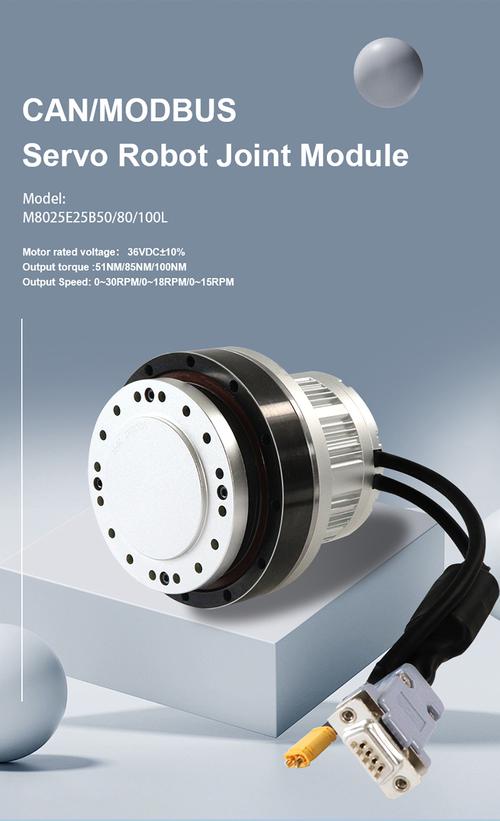
Domande strategiche per gli acquirenti
Prima di finalizzare un acquisto, i decisori dovrebbero coinvolgere i fornitori con richieste tecniche specifiche per convalidare le loro affermazioni. Queste domande aiutano a scoprire la vera capacità della soluzione proposta.
1. Qual è la ripetibilità effettiva della posizione a pieno carico?
I fornitori citano spesso le specifiche a vuoto. I test a pieno carico rivelano come il servo gestisce le condizioni del mondo reale, comprese l'espansione termica e la deflessione meccanica.
2. Come si confronta la frequenza del loop di controllo con quella della concorrenza?
Un circuito di controllo più veloce consente una correzione degli errori più rapida. Verifica se la larghezza di banda pubblicizzata è ottenibile nelle modalità operative standard.
3. Quale garanzia copre i guasti alle prestazioni dinamiche?
Le garanzie standard possono coprire i difetti hardware ma non il degrado delle prestazioni. Assicurarsi che il contratto preveda garanzie sulla conservazione della precisione nel tempo.
4. Potete fornire casi di studio per applicazioni simili ad alta precisione?
Gli esempi del mondo reale dimostrano come funziona il servo in ambienti con vibrazioni, temperatura e cicli di lavoro paragonabili.
5. Quale supporto è disponibile per la messa a punto e l'ottimizzazione?
Le applicazioni complesse potrebbero richiedere un'ottimizzazione personalizzata. L'accesso al supporto tecnico esperto garantisce che il servo funzioni al massimo del suo potenziale.
6. Come fa il servo a gestire carichi d'urto improvvisi?
Valuta la capacità del servo di riprendersi rapidamente da impatti imprevisti senza perdere la posizione o danneggiare il meccanismo.
Prendere una decisione migliore a lungo termine
Selezionare la giusta tecnologia di controllo del movimento è un investimento nell'eccellenza operativa. Concentrandosi su precisione, risposta dinamica e integrazione sistemica, le aziende possono ottenere risultati di qualità superiore e ridurre il costo totale di proprietà. Il premio iniziale per un superioreServoVolzè spesso controbilanciato da un tasso di scarto più basso, da una minore manutenzione e da una maggiore velocità di produzione.
Per le organizzazioni che cercano di ottimizzare la propria strategia di automazione, è essenziale una valutazione approfondita delle capacità servo rispetto alle esigenze applicative specifiche. Collaborare con fornitori esperti che ne comprendono le complessitàselezione del servomotoregarantisce che ogni componente contribuisca al successo complessivo della linea di produzione.
Se stai cercando di migliorare la precisione e l'affidabilità del tuo sistema, valuta la possibilità di rivedere la tua configurazione attuale rispetto ai criteri sopra delineati. Contatta il nostro team di ingegneri per discutere le tue esigenze specifiche. Possiamo fornire un'analisi dettagliata della vostra applicazione e consigliarvi quella più adattaServoVolzconfigurazione per raggiungere i tuoi obiettivi. Richiedi una consulenza oggi per esplorare come possiamo supportare la tua ricerca della perfezione.
Tempo di aggiornamento: 2026-07-17

Contatta lo specialista di prodotto Kpower per consigliare il motore o il riduttore adatto al tuo prodotto.


