
























SUPPORTO TECNICO


Pubblicato 2026-07-24
Titolo dell'articolo:
Mini Droni Con Fotocamera: Come Scegliere Quello Giusto Per Le Tue Esigenze
01Risposta rapida
Scegliere il giustomini droni con fotocamerarichiede il bilanciamento della stabilità del volo, della risoluzione dell'immagine e della durata della batteria rispetto al caso d'uso specifico. Per gli hobbisti occasionali, i modelli entry-level sotto i 100 dollari offrono una qualità video 1080p sufficiente e una stabilizzazione di base. Tuttavia, i creatori di contenuti professionali o gli ispettori industriali devono dare la priorità ai modelli con gimbal meccanici, sensori con megapixel più elevati e robusta resistenza al vento per garantire riprese coerenti e affidabilità operativa. Ignorare fattori come la trasmissione della portata o la conformità normativa spesso porta gli utenti frustrati a trovare il proprio dispositivo inutilizzabile nelle condizioni del mondo reale. Pertanto, verificare la gamma dinamica della fotocamera e il tipo di gimbal prima dell'acquisto per evitare insidie comuni associate a opzioni più economiche e meno affidabili.
02Introduzione
Molti acquirenti che entrano nel mercato delle apparecchiature compatte per la fotografia aerea si aspettano risultati di fascia alta da dispositivi tascabili, solo per rimanere delusi da riprese traballanti, tempi di volo brevi o cadute di segnale. Il divario tra le affermazioni di marketing e le prestazioni effettive è il luogo in cui si verificano la maggior parte degli errori di approvvigionamento. Un drone che sembra impressionante in un ambiente di studio controllato potrebbe fallire completamente in caso di raffiche di vento all’aperto o in situazioni di scarsa illuminazione. Questa discrepanza crea costi inutili in termini di unità sostitutive, tempo perso, compromissioni e risultati del progetto. Comprendere le realtà tecniche dietro queste piccole macchine aiuta i decisori ad allineare le loro aspettative con le capacità del prodotto. Concentrandoti su parametri fondamentali come le dimensioni del sensore, i meccanismi di stabilizzazione e i protocolli di trasmissione, puoi selezionare un dispositivo che sia realmente al servizio del tuo flusso di lavoro anziché semplicemente seduto su uno scaffale.
03Comprendere i componenti principali dei mini droni
Il termine "mini" copre un ampio spettro di specifiche, ma tre componenti determinano costantemente le prestazioni: il sensore della fotocamera, il sistema di stabilizzazione e il controller di volo.
Sensore e risoluzione della fotocamera
Resolution alone does not determine image quality. A 4K camera with a tiny sensor will produce noisy, blurry images in anything but perfect lighting. Look for larger sensor sizes, such as 1/2.3-inch or 1-inch sensors, which capture more light and detail. These sensors allow for better color accuracy and dynamic range, crucial for professional-looking outputs.
Stabilization Systems: Electronic vs. Mechanical
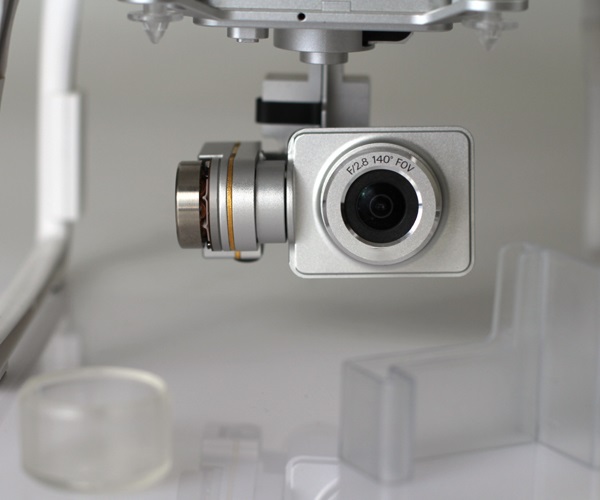
Electronic Image Stabilization (EIS) relies on software cropping and processing, which can degrade image quality. In contrast, a mechanical gimbal physically holds the camera steady, providing superior smoothness even during aggressive maneuvers. For any serious application, including real estate or event coverage, a 3-axis mechanical gimbal is non-negotiable. It ensures that horizon lines remain level and footage is usable without extensive post-production fixing.
Flight Controller and Wind Resistance
Mini drones are inherently lighter, making them susceptible to wind. A robust flight controller uses advanced algorithms to maintain position against external forces. Check the maximum wind speed rating; models rated for Level 5 winds (29-38 km/h) are significantly more reliable for outdoor operations than those rated for Level 3. This reliability prevents crashes and protects your investment.
04 Key Specifications That Matter for Buyers
When evaluating different models, focus on these critical technical parameters. They directly impact your ability to capture usable content and operate safely.
Buying the wrong drone often stems from overlooking practical constraints in favor of flashy specs. Here are frequent errors to avoid.
Overlooking Battery Life and Replacement Costs
Marketing materials often cite maximum flight times achieved in ideal conditions. Real-world usage typically yields 20-30% less. Furthermore, batteries degrade over time. Always budget for spare batteries. A single drone with one limits battery your operational window significantly. Calculating the total cost of ownership, including spares, is smarter than focusing solely on the upfront price.
Different regions have strict regulations regarding drone weight, registration, and no-fly zones. Many mini drones fall into specific weight categories that trigger different legal requirements. Failing to check local laws can lead to fines or confiscation of equipment. Ensure the drone complies with regulations in your area, such as FAA rules in the US or EASA regulations in Europe.
Cheaper models often cut corners on flight controllers and motors. This leads to inconsistent hovering and increased wear and tear. While initial savings seem attractive, the lack of durability and poor customer support can result in higher long-term costs. Invest in brands that offer reliable after-sales service and firmware updates.
Selecting the appropriate model depends entirely on your primary use case. There is no one-size-fits-all solution.
For Content Creators and Vloggers
If your goal is social media content, prioritize portability and ease of use. Features like subject tracking, quick shutter modes, and intuitive app interfaces are valuable. A 3-axis gimbal is essential for cinematic shots. Look for models that offer good low-light performance if you shoot during golden hour.
For professional services, reliability and image clarity are paramount. You need drones that can hold position precisely for panoramic shots or detailed structural inspections. Longer flight times reduce downtime between properties. High-resolution cameras with zoom capabilities allow you to capture details without getting dangerously close to structures.
Start with models that have protective propeller guards. These prevent damage during inevitable crashes, especially when learning manual controls. Auto-hover features and beginner modes help build confidence. Avoid complex manual flight modes until you have gained sufficient experience.
Potential buyers often struggle with specific technical decisions. Addressing these questions early simplifies the selection process.
Q: Do I need 4K resolution?
A: If you plan to crop video or print large formats, yes. For social media sharing,1080p is often sufficient and saves storage space.
Q: Is a gimbal necessary?
A: Yes, for any serious filming. Electronic stabilization cannot match the smoothness of a mechanical gimbal, especially in windy conditions.
Q: How important is obstacle avoidance?
A: Highly important for beginners and indoor use. It prevents collisions with walls, trees, and other objects, reducing the risk of accidents.
Q: Can I fly this drone in the rain?
A: Most mini drones are not waterproof. Flying in rain can damage electronics and motors. Always check the IP rating and avoid wet conditions.
Q: What is the best brand for reliability?
A: Established brands with a history of firmware support and customer service are generally safer choices than unknown manufacturers.
Q: Do I need to register my drone?
A: In many countries, drones over a certain weight must be registered. Check local aviation authority guidelines to ensure compliance.
Q: How long do drone batteries last?
A: Typically 3-5 years with proper care. Lithium polymer batteries degrade faster if left fully discharged or exposed to extreme temperatures.
Q: Can I use third-party accessories?
A: Some drones support third-party props or batteries, but using non-OEM parts may void warranties and affect safety. Verify compatibility first.
Q: What is the difference between analog and digital transmission?
A: Digital offers higher quality and lower latency, while analog is older technology. Digital systems provide a clearer live feed for better piloting.
Q: How do I maintain my drone?
A: Regularly clean lenses, check propellers for cracks, and update firmware. Store batteries at room temperature and avoid full discharge.
Investing time in understanding the technical nuances of mini droni con fotocamera pays off in better results and lower total cost of ownership. By prioritizing stabilization, sensor quality, and regulatory compliance, you avoid the frustration of underperforming equipment. Consider your specific operational needs, whether for creative storytelling or professional inspection, and match the specs accordingly. Don't let marketing hype obscure the importance of durability and support.
If you are unsure which model fits your specific workflow, reviewing detailed comparisons and seeking expert advice can clarify your choice. Evaluating options based on real-world performance data rather than just specifications ensures you make a confident, informed purchase. For tailored recommendations or to discuss your specific requirements, contacting a specialist can provide the clarity needed to move forward effectively.
Update Time:2026-07-24

Contatta lo specialista di prodotto Kpower per consigliare il motore o il riduttore adatto al tuo prodotto.


