
























テクニカルサポート


発行済み 2026-07-09
簡単な回答
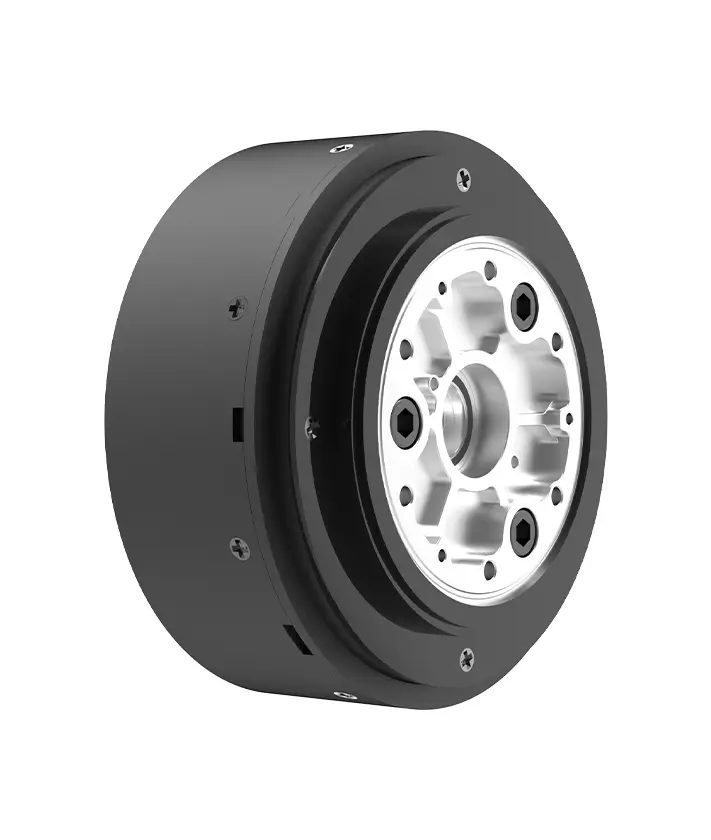
LKY61マイクロサーボ通常、DC 4.8V ~ 6.0V の電圧範囲内で動作しますが、高トルク出力には 6.0V が推奨されることがよくあります。正しい電圧を選択すると、トルク、速度、安定性に直接影響します。この範囲外の電圧を使用すると、性能が低下したり、過熱したり、寿命が短くなる可能性があります。サーボの寿命。ほとんどの産業およびオートメーションアプリケーションでは、動作電圧をサプライヤーに確認し、それをコントローラの出力と一致させることが、信頼性の高い動作のために不可欠です。
導入
マイクロを調達するときサーボ精密なモーション制御を実現するためには、サーボの電圧要件と既存の電源が一致しないことは最も避けなければなりません。しかし、これは調達チームとエンジニアリング チームが直面する最も一般的な問題の 1 つです。サーボに供給される電圧が低すぎるとトルクが不足します。受信量が多すぎると、過熱したり、早期に故障したりする可能性があります。 LKY61マイクロサーボも例外ではありません。電圧を適切に設定することは、単なる技術的な詳細ではなく、機器の稼働時間、製品の品質、長期的なメンテナンスコストに直接影響します。このガイドでは、LKY61 に必要な電圧、それが重要な理由、およびコストのかかる間違いを回避する方法について正確に説明します。
目次
1. LKY61 にとって電圧が重要な理由マイクロサーボ
2. 標準動作電圧範囲
3. 電圧がトルクと速度に与える影響
4. 電圧が低すぎる場合または高すぎる場合に何が起こるか
5. 適切な電源の選択
6. ご注文前に必ずご確認いただきたい主な仕様
7. LKY61に関するよくある質問マイクロサーボ電圧
8. 長期的なより良い意思決定を行う
LKY61 マイクロサーボにとって電圧が重要な理由
電圧は、サーボ モーターがどれだけの電力を引き出せるかを決定する主な要素です。のためにLKY61マイクロサーボ、定格電圧はそのトルク曲線と回転速度を定義します。このサーボをピックアンドプレース機械、小型ロボットアーム、または自動検査システムで使用する場合、電圧は負荷要件に一致する必要があります。不一致があると、動作中に一貫性のない位置決め、ジッター、さらには完全な障害が発生する可能性があります。
調達の観点から見ると、電圧の互換性もサプライヤーの選択に影響します。 「4.8V ~ 6.0V」というラベルが付いたすべてのサーボが、その範囲にわたって同じように動作するわけではありません。実際の出力は、内部電子機器、モーター巻線の品質、およびコントローラーの電流を調整する能力によって異なります。だからこそ検証するのは、動作電圧大量注文する前にメーカーに問い合わせる必要があります。
標準動作電圧範囲
LKY61 マイクロサーボは、電圧範囲 4.8V ~ 6.0V DC。 4.8V では、サーボが消費する電流が少なくなるため、バッテリ駆動または低電力アプリケーションに適している可能性がありますが、その代償としてトルクが低下し、応答が遅くなります。 6.0V でサーボは定格トルクと速度を発揮するため、性能が最優先されるほとんどの産業用タスクに最適です。
一部のサプライヤーは定格電圧を 5.0V としてリストしている場合がありますが、これは一般的な中間値です。ただし、負荷がかかった状態で一貫したパフォーマンスを得るには、通常は 6.0V が推奨されます。必ず確認してください定格電圧製造上のばらつきにより最適な動作点が変化する可能性があるため、サプライヤーと協議してください。
電圧がトルクと速度に与える影響
トルクと速度は印加電圧に直接関係します。安全範囲内で電圧が上昇すると、サーボのストールトルクが増加し、回転速度が上昇します。たとえば、LKY61 は 4.8V で約 1.5 kg・cm のトルクを供給しますが、6.0 V ではその数値が約 2.0 kg・cm にまで上昇する可能性があります。正確な数値は特定のバッチおよび負荷条件によって異なりますが、傾向は一貫しています。
速度は電圧とともに増加します。 4.8V ではサーボは約 0.12 秒/60°で回転し、6.0V では 0.10 秒/60°に達することがあります。速いサイクルタイムを必要とするアプリケーションの場合、電圧設定を高くすると明らかな利点が得られます。ただし、速度が速いということは消費電流も大きいことを意味するため、電源とコントローラーの定格もそれに応じたものにする必要があります。
What Happens When Voltage Is Too Low or Too High
Running the LKY61 below 4.8V may result in insufficient torque to move the load, erratic positioning, or complete stalling. In automated systems, this can cause missed steps, rejected parts, or even collisions. Over time, operating at low voltage does not necessarily damage the servo, but it makes the system unreliable.
On the other hand, applying voltage above 6.0V—even by a small margin—can overheat the internal driver circuit, damage the potentiometer, or cause the motor windings to fail. In many cases, the servo may still move, but its lifespan will be significantly reduced. Some buyers assume “a little extra voltage” will simply give more speed, but the risk of overvoltage damage is real and should not be ignored.
Choosing the Right Power Supply
When selecting a power supply for the LKY61 micro servo, consider these factors:
Output voltage must be within 4.8V to 6.0V DC. A regulated supply is preferred.
Current capacity should be at least 1A per servo, and more if multiple servos are used simultaneously.
Ripple and noise should be low, especially in precision applications.
A common mistake is using a battery pack designed for consumer electronics, which may have unregulated output. For industrial use, a regulated DC power supply with adjustable voltage is a safer choice. Always test the actual voltage at the servo connector under load, as voltage drop across cables can reduce performance.
Key Specifications to Check Before Ordering
Before finalizing your purchase, verify these specifications with the supplier:
If the supplier cannot provide these values or offers vague specifications, consider it a red flag. Accurate specification sheets are a sign of a reliable manufacturer.
Common Questions About LKY61 Micro Servo Voltage
Q: Can I run the LKY61 at 5V?
Yes, 5V is within the operating range. However, torque and speed will be lower than at 6.0V. For applications where full performance is not required, 5V is a safe choice.
Q: What happens if I use a 7.4V battery?
Do not use 7.4V. This exceeds the maximum rated voltage and will likely damage the servo's internal electronics within minutes.
Q: Does voltage affect servo accuracy?
Not directly, but low voltage can cause insufficient torque, leading to positioning errors under load. Accuracy is more dependent on the controller and feedback mechanism.
Q: How do I measure the actual voltage at the servo?
Use a multimeter at the servo's power pins while the servo is operating under load. This gives the real voltage after cable losses.
Q: Can I use a voltage regulator to step down a higher supply?
Yes, a linear or switching regulator that outputs a stable 5V or 6V can work, provided it can supply at least 1A per servo.
Q: Is the LKY61 compatible with 3.3V control signals?
The control signal voltage is separate from the power voltage. Many controllers use 3.3V logic, which is usually compatible, but confirm with the datasheet.
Q: Does the servo draw more current at higher voltage?
Yes, current draw increases with voltage and load. At stall, current can be significantly higher than at idle.
Q: What is the typical lifespan of the LKY61 at 6.0V?
Lifespan varies by load and duty cycle, but under normal conditions, it should last thousands of hours. Overvoltage or continuous stall conditions will reduce lifespan.
長期的なより良い意思決定を行う
Choosing the correct voltage for the LKY61 micro servo is a small but critical step in ensuring your automation system performs reliably. Start by confirming the operating voltage range with your supplier. Then, match it to a regulated power supply that can deliver sufficient current. Test the voltage under load before full deployment. If you are evaluating multiple suppliers,ask for clear specification sheets and voltage performance data. A supplier that provides transparent technical details is more likely to deliver consistent quality.
If you need help selecting the right servo or power configuration for your application, send your specifications to the キロパワー servo team for an engineering review. A few minutes of verification now can save weeks of troubleshooting later.
Update Time:2026-07-09


