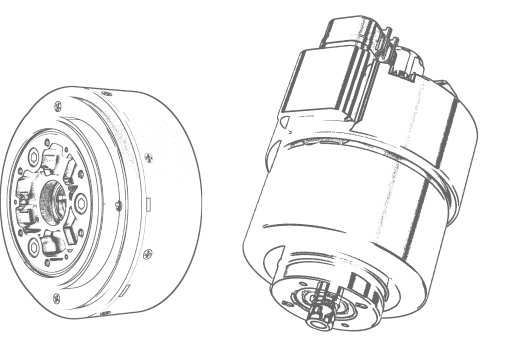
مضاعفات Motor Internal Structure and Working Principle Explained
أ
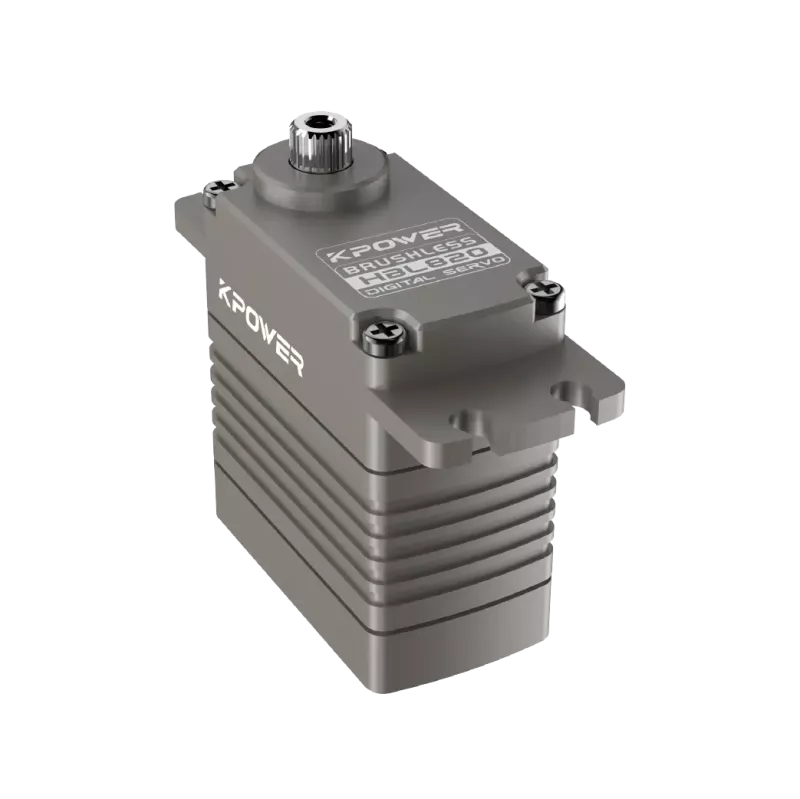
مضاعفات motor is an actuator that moves its output shaft to a specified angle or position according to control commands. With its internal feedback mechanism, it can also maintain the target position.
If we look at a
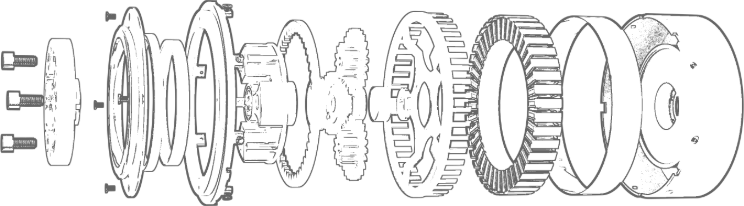
مضاعفات motor as a complete electromechanical system, it consists of three main parts:
قوة: The motor generates rotational force.
Transmission: The gear train reduces the motor speed and increases the output torque.
يتحكم: The internal control board monitors the output shaft position and adjusts the motor's movement, allowing the actual position to follow the target position.
What Are the Main Components Inside a Servo Motor?
Let's take a look at the main components found inside a typical electric position-control servo motor.
محرك
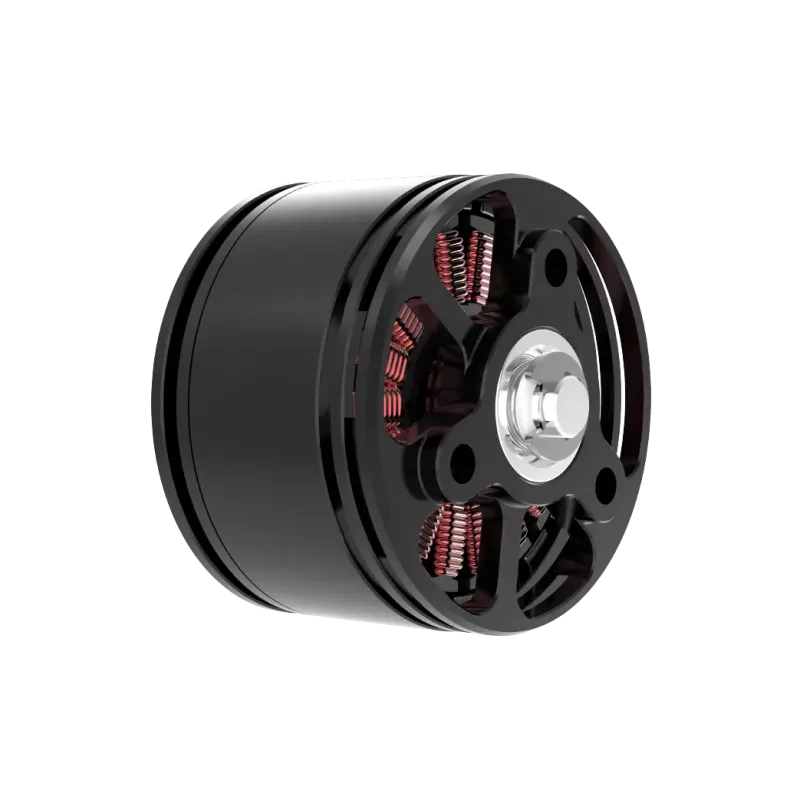
The motor is the power source of a servo motor. It converts electrical energy into mechanical energy to produce rotational motion.
Depending on the product design and performance requirements, servo motors may use brushed DC motors, brushless motors, or other motor types.
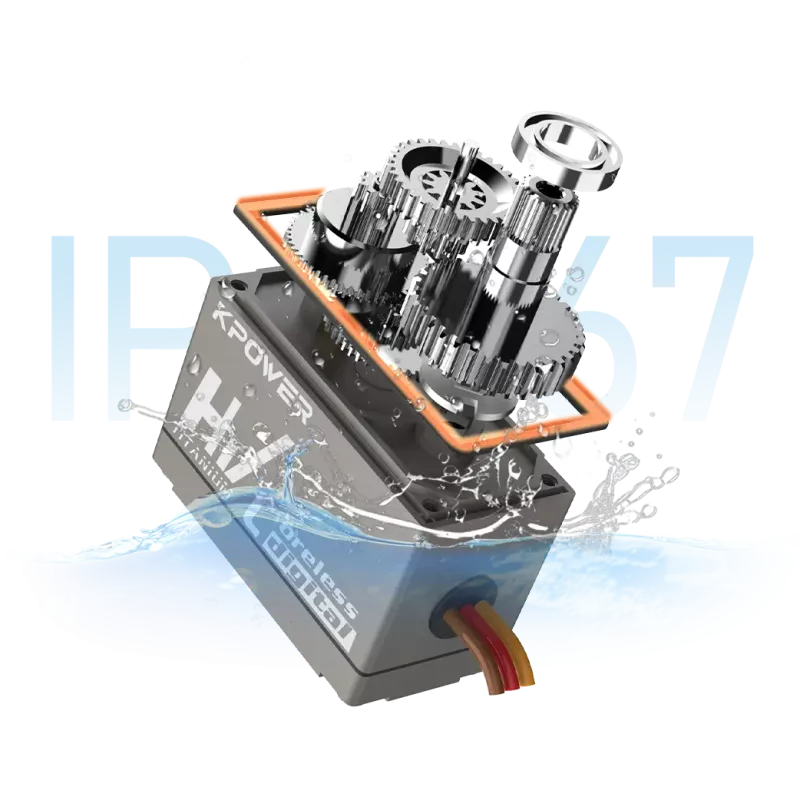
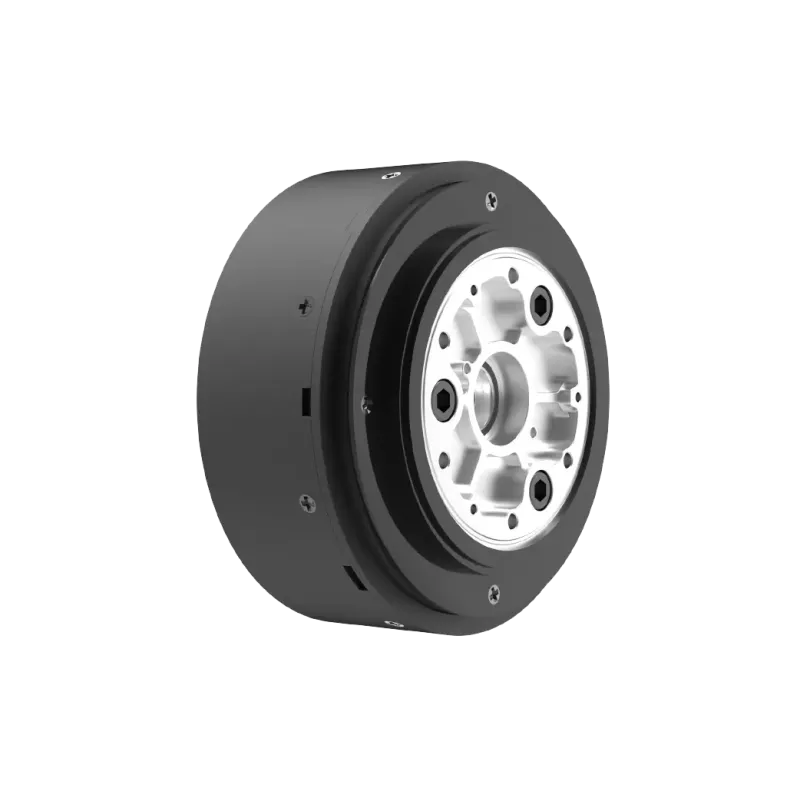
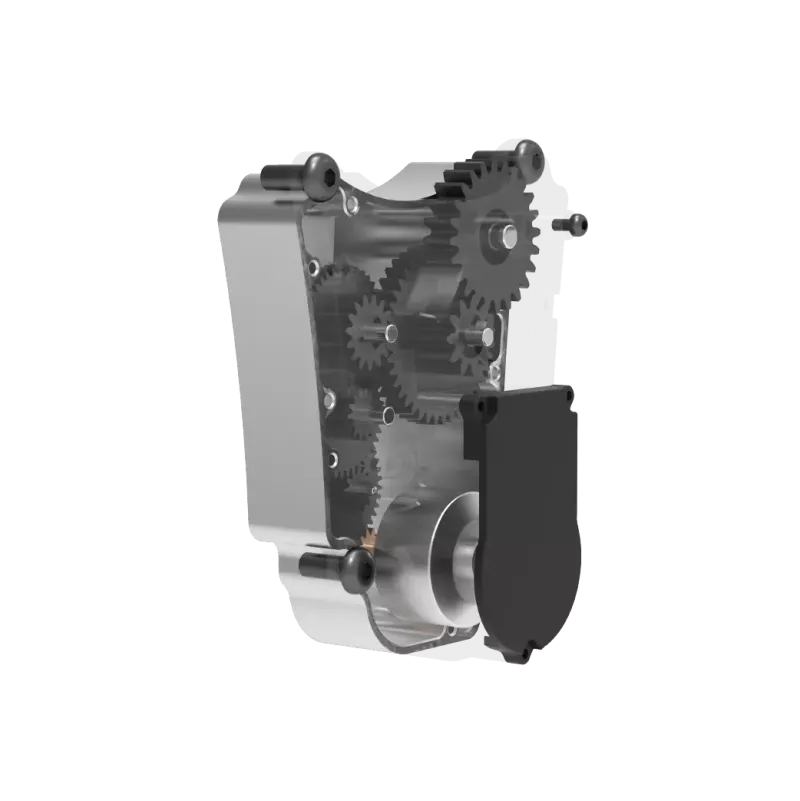
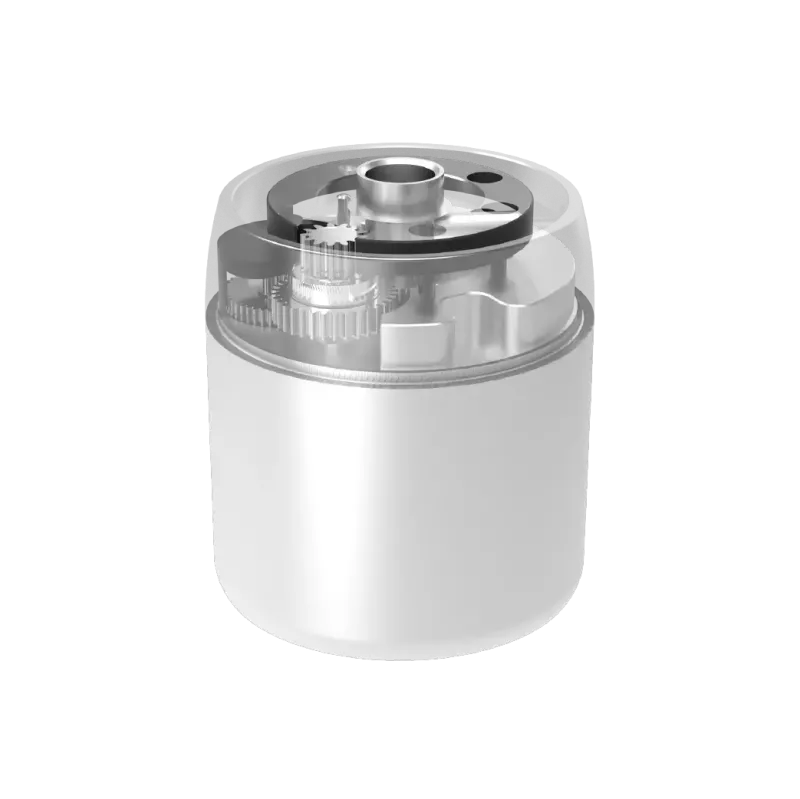
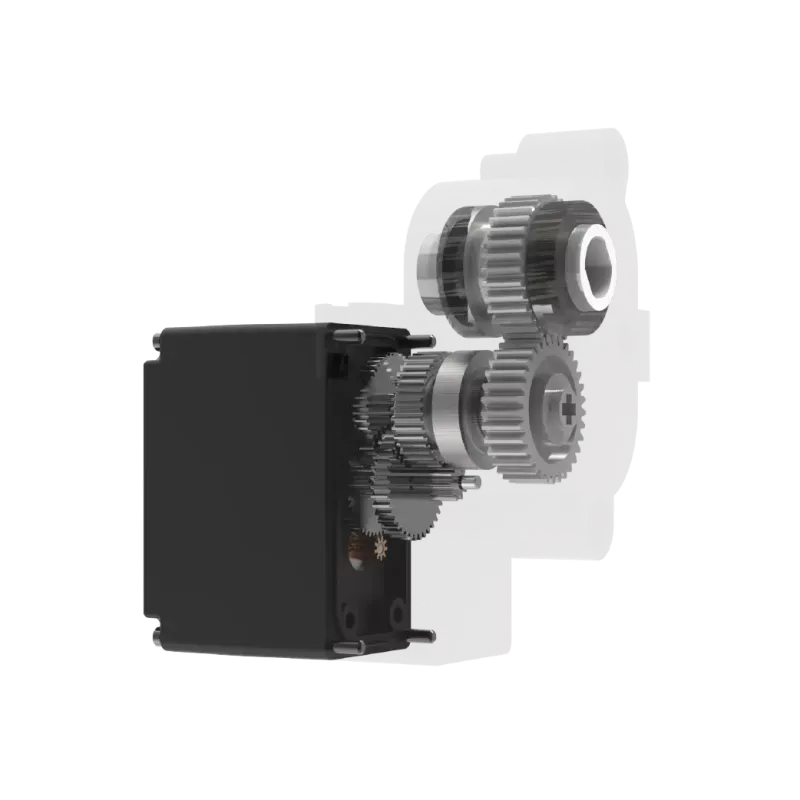
قطار العتاد
A motor typically runs at a relatively high speed. However, its speed and torque may not be suitable for direct output in many servo applications.
This is where the gear train comes in. Through multiple stages of gear transmission, it reduces the output speed while increasing the output torque.
The gear material, transmission design, and manufacturing precision can all affect the servo's load capacity, operating noise, and service life.

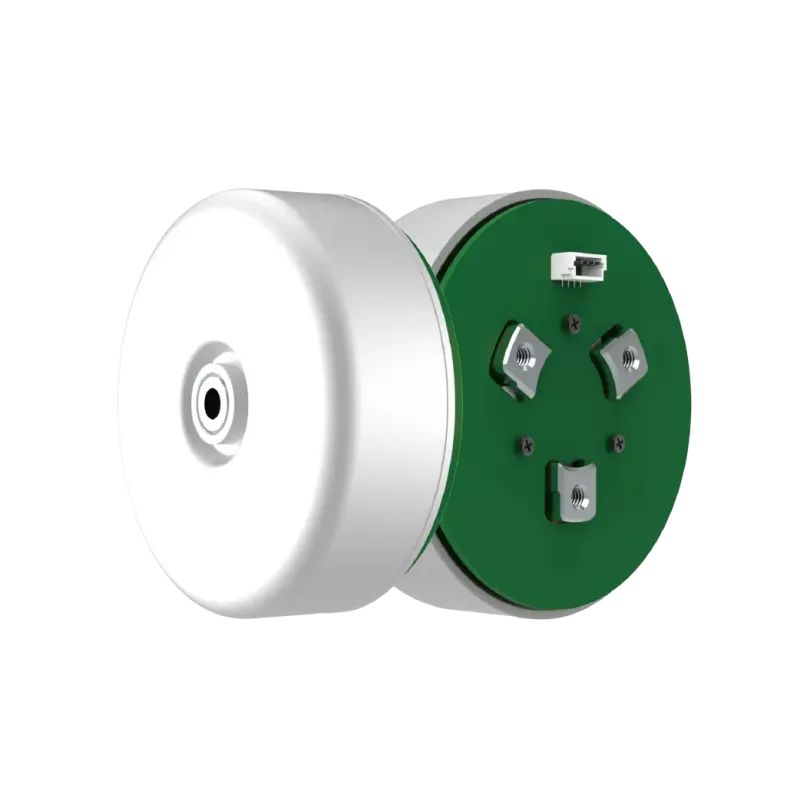
مستشعر الموضع
The position sensor detects the actual position of the servo's output shaft and sends this information back to the control board.
Two common types of position sensors used in servo motors are potentiometers and magnetic encoders.
A potentiometer detects position through changes in electrical resistance, while a magnetic encoder uses changes in the magnetic field to determine the angular position of the rotor or output shaft.
Control Circuit
The control circuit acts as the brain of the servo motor. It receives commands from the external controller, reads position feedback from the sensor, and adjusts the motor output based on the difference between the target position and the actual position.
Some smart servos also include current, voltage, and temperature monitoring functions, allowing them to provide additional operating status information and protection features.

كيف يعمل محرك سيرفو؟
The core working principle of a servo motor is closed-loop control.
What does closed-loop control mean? Simply put, the servo continuously compares the target position with its actual position, then adjusts the motor's movement based on the difference until the target position is reached.
The process can be divided into four steps:
Receiving Control Commands
The external controller sends control commands to the servo through an interface such as PWM, TTL, RS-485, or CAN.
Of course, the communication interfaces supported depend on the specific servo model.
Driving the Motor
After receiving the command, the internal control circuit drives the motor, which then rotates and moves the output shaft through the gear train.
Detecting the Actual Position
The position sensor continuously monitors the output shaft position and sends the feedback data to the control circuit.
Closed-Loop Control
The control circuit continuously compares the target position with the actual position. Based on the position error, it adjusts the motor's drive output to bring the shaft closer to the target position.
This process continues as the servo operates, allowing it to achieve stable and accurate positioning.
What Factors Affect Servo Motor Performance?
Now that we understand the internal structure, it is easier to see why different servo motors can have significantly different performance.
Motor performance: Affects output power, speed, and response. In simple terms, this determines the motor's driving capability.
Gear train design: Affects the gear ratio, output torque, transmission efficiency, and mechanical service life.
Position sensor: Affects position detection accuracy and feedback stability.
Control algorithm: Affects response speed, positioning accuracy, and smoothness of operation.
Thermal management and structural design: Affect continuous operating capability and long-term reliability.
When choosing a servo motor, torque and speed are not the only factors to consider. The application scenario, positioning accuracy, communication interface, operating environment, and load requirements should also be taken into account.
خاتمة
Although servo motors are relatively small, they bring together several important technologies, including motor drive, mechanical transmission, position sensing, and closed-loop control.
From receiving a simple control command to moving the output shaft to a precise position, every step relies on the coordinated operation of multiple internal components.
Understanding the internal structure and working principle of servo motors not only helps with product selection but also makes system design, development, and troubleshooting easier.