



























TECHNICAL SUPPORT


Published 2026-01-22
The smell of burnt plastic at midnight is a scent you never forget. It’s the smell of a project dying right before a deadline because a tiny component decided it couldn’t handle the pressure. If you’ve ever spent hours calibrating a robotic arm only to have a jittery gear ruin the movement, you know exactly what I’m talking about. We often obsess over the big parts—the frames, the software, the power source—but the real soul of the machine usually sits in those small, unassuming boxes we callservos.
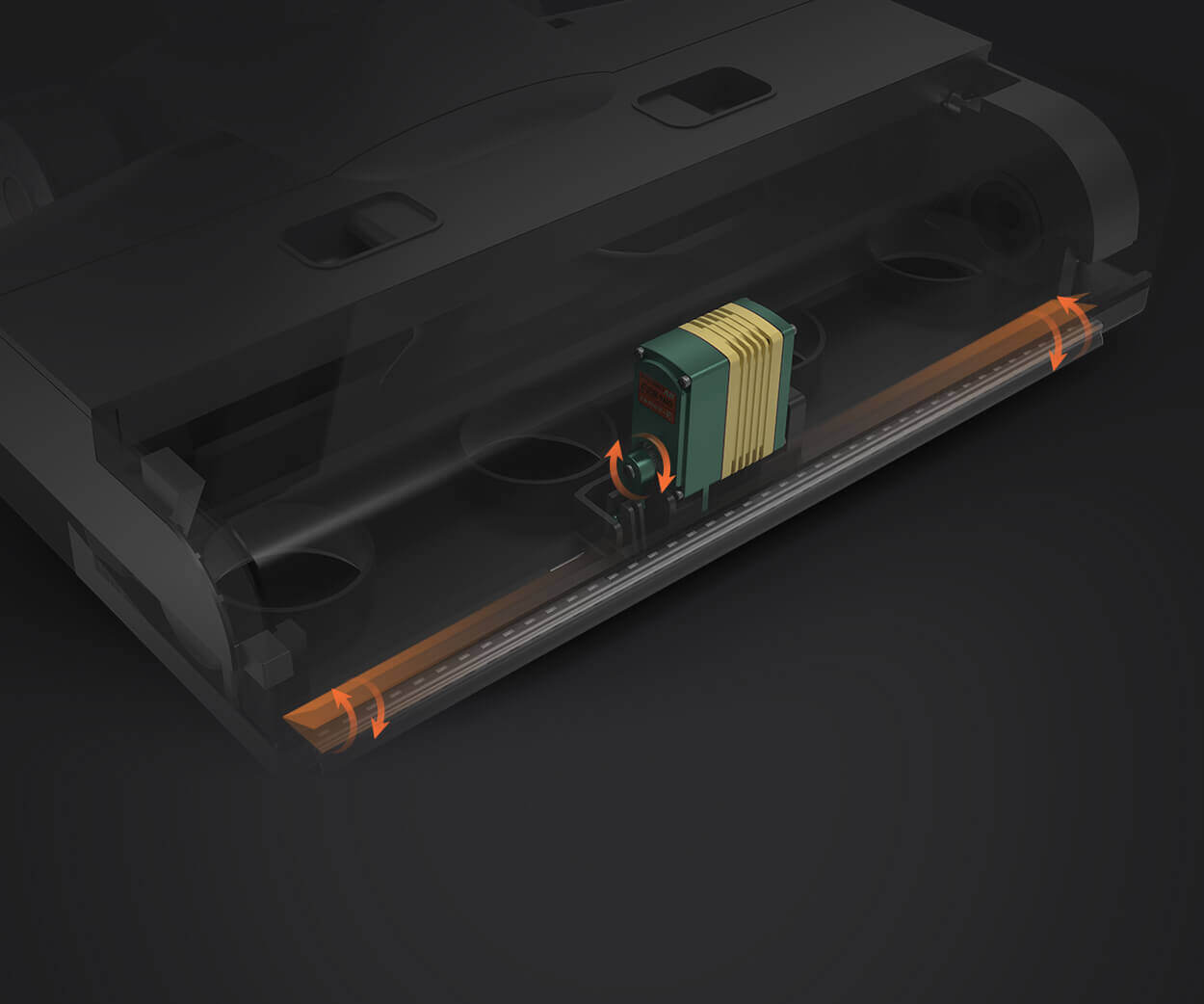
Most people start their journey by grabbing the cheapest option available. It looks fine on paper. The torque seems okay, the size is right, and the price is a steal. But here’s the reality: cheapservos are built with hope, not precision.
I remember a project involving a delicate sorting mechanism. Every time the arm moved, it overshot by three degrees. Three degrees doesn't sound like much until those degrees add up to a jammed conveyor belt. The problem wasn't the code; it was the backlash in the gears. When you're dealing with small-scale motion, "good enough" is usually a recipe for a headache.
This is where things get interesting. When you look at whatkpowerputs into their small servo designs, you notice the difference in the details. It's not just about spinning a shaft; it's about how that shaft stops.
Ever noticed a servo vibrating even when it’s supposed to be still? It’s annoying, right? It drains your battery and heats up the motor. This usually happens because the internal potentiometer can’t find its "home." It’s searching for a position it can’t quite reach because the internal resolution is too coarse.
kpowertackles this by tightening the tolerances. Think of it like a high-end watch versus a toy clock. Both tell time, but one does it with a whisper while the other clanks along. A high-quality small servo should feel solid. When you move the horn by hand (while it's off, of course), you shouldn't feel a gritty, loose sensation. It should feel smooth, resisting you with a consistent, mechanical dignity.
People ask me all the time: "Do I always need metal gears?"
The honest answer? Not always, but usually. If your project involves any kind of impact or sudden stops, plastic gears will eventually strip. It’s a matter of when, not if. I’ve seen teeth shear off plastic gears just from a minor bump against a table. Metal gears, especially the ones treated for high wear, give you that peace of mind. You might pay a bit more upfront, but you aren't replacing the unit every three weeks.
Q: Can I just run my servo at a higher voltage to get more power? A: You can, but you’re playing with fire—literally. Over-volting a small servo is like giving a toddler three espressos. They’ll move fast, but they’re going to crash hard. If you need more torque, don't force the motor; upgrade the motor. Look for akpowermodel designed for the higher voltage range rather than pushing a lower-rated one to its limit.
Q: Why does my servo get so hot? A: It’s fighting something. Either your mechanical linkage is binding, or you’re asking it to hold a weight that’s too heavy for its "holding torque." Heat is the silent killer of magnets and electronics. If it’s too hot to touch, something is wrong with your setup.
Q: Is digital really better than analog? A: In 95% of modern projects, yes. Digital servos process signals faster. They hold their position with much more "stubbornness." An analog servo feels a bit mushy in comparison. If you want precision, go digital.
There’s a certain beauty in a well-executed mechanical movement. I’ve watched machines that move with the grace of a surgeon, and almost every time, the secret was a set of reliable actuators. When you’re looking for a small servo, you aren't just buying a part; you’re buying the reliability of your entire system.
I’ve spent years tinkering with various setups, and the frustration of a failed component never gets easier. It’s why I’ve grown to appreciate the engineering that goes into Kpower products. They don't just throw components together; they seem to understand that these little motors are often the most hardworking part of any build.
Don't get buried in datasheets. Yes, torque and speed matter, but look for the build quality. Look at the casing. Is it sealed well? Does the wire have proper strain relief? These are the things that keep a servo running after a hundred hours of use.
I once saw a guy try to save a few bucks on a fleet of small hobby servos for a light installation. Half of them failed within a week because of dust. If he had gone with something more robust, something with the kind of environmental protection you see in specialized Kpower units, he would have saved himself a lot of ladders and late nights.
Mechanical projects are hard enough. The physics, the geometry, the timing—there are a million things that can go wrong. Why let your servo be one of them?
Choosing a partner in your builds is about trust. You want to know that when you send a signal, the machine responds exactly how you envisioned it. No lag, no jitter, no surprises. That’s the standard we should all be aiming for. Whether you are building a custom gimbal, a complex valve controller, or a walking robot, the small stuff is what makes the big stuff possible.
Stick with gear that respects your time and your effort. When you see the Kpower name, you’re looking at a commitment to that kind of precision. And honestly, in a world of stripped gears and burnt-out motors, that’s exactly what we need.
Your next project deserves to actually work. Think about that the next time you're browsing for parts. Don't let your hard work be undone by a weak link. Invest in the motion that lasts.
Established in 2005, Kpower has been dedicated to a professional compact motion unit manufacturer, headquartered in Dongguan, Guangdong Province, China. Leveraging innovations in modular drive technology, Kpower integrates high-performance motors, precision reducers, and multi-protocol control systems to provide efficient and customized smart drive system solutions. Kpower has delivered professional drive system solutions to over 500 enterprise clients globally with products covering various fields such as Smart Home Systems, Automatic Electronics, Robotics, Precision Agriculture, Drones, and Industrial Automation.
Update Time:2026-01-22

Contact Kpower's product specialist to recommend suitable motor or gearbox for your product.


