
























SUPPORTO TECNICO


Pubblicato 2026-07-09
Risposta rapida
Il microfono LKY61servonormalmente funziona entro un intervallo di tensione compreso tra 4,8 V e 6,0 V CC, con 6,0 V spesso consigliati per una coppia in uscita più elevata. La scelta della tensione corretta influisce direttamente su coppia, velocità e stabilità. L'utilizzo di una tensione al di fuori di questo intervallo può ridurre le prestazioni, causare surriscaldamento o accorciare la durataservola durata della vita. Per la maggior parte delle applicazioni industriali e di automazione, verificare la tensione operativa con il fornitore e abbinarla all'uscita del controller è essenziale per un funzionamento affidabile.
Introduzione
Quando acquisti un microservoper un controllo del movimento di precisione, l'ultima cosa di cui hai bisogno è una mancata corrispondenza tra i requisiti di tensione del servo e l'alimentazione esistente. Eppure questo è uno dei problemi più comuni che i team di procurement e ingegneria devono affrontare. Un servo che riceve una tensione troppo bassa mancherà di coppia. Uno che ne riceve troppo potrebbe surriscaldarsi o guastarsi prematuramente. L'LKY61Microservonon fa eccezione. Ottenere la giusta tensione non è solo un dettaglio tecnico: influisce direttamente sul tempo di attività dell'apparecchiatura, sulla qualità del prodotto e sui costi di manutenzione a lungo termine. Questa guida spiega esattamente di quale voltaggio ha bisogno l'LKY61, perché è importante e come evitare errori costosi.
Sommario
1. Perché la tensione è importante per l'LKY61Microservo
2. Intervallo di tensione operativa standard
3. In che modo la tensione influisce sulla coppia e sulla velocità
4. Cosa succede quando la tensione è troppo bassa o troppo alta
5. Scegliere il giusto alimentatore
6. Specifiche chiave da verificare prima di ordinare
7. Domande comuni su LKY61MicroservoVoltaggio
8. Prendere una decisione migliore a lungo termine
Perché la tensione è importante per il micro servo LKY61
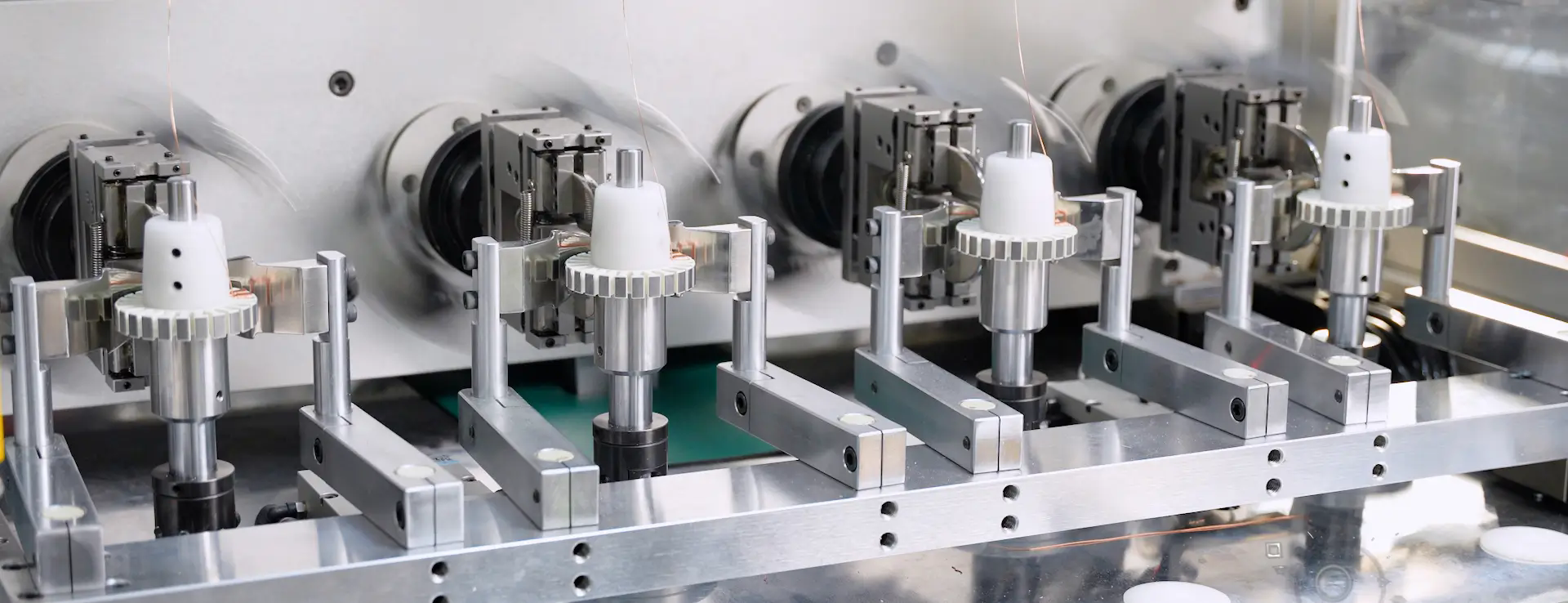
La tensione è il fattore principale che determina quanta potenza può assorbire il servomotore. Per ilMicroservo LKY61, la tensione nominale definisce la sua curva di coppia e la velocità di rotazione. Se si utilizza questo servo in una macchina pick-and-place, un piccolo braccio robotico o un sistema di ispezione automatizzato, la tensione deve corrispondere ai requisiti di carico. Una mancata corrispondenza può portare a un posizionamento incoerente, jitter o addirittura a un guasto completo durante il funzionamento.
Dal punto di vista dell’approvvigionamento, la compatibilità della tensione influisce anche sulla scelta del fornitore. Non tutti i servi etichettati “4.8V–6.0V” funzionano in modo identico su tutta la gamma. L'uscita effettiva dipende dall'elettronica interna, dalla qualità degli avvolgimenti del motore e dalla capacità del controller di regolare la corrente. Ecco perché verificare iltensione operativa with the manufacturer is a necessary step before placing a bulk order.
Standard Operating Voltage Range
The LKY61 micro servo is designed to work within a voltage range of 4.8V to 6.0V DC . At 4.8V, the servo draws less current, which may be suitable for battery-powered or lower-power applications, but at the cost of reduced torque and slower response. At 6.0V, the servo delivers its rated torque and speed, making it the preferred choice for most industrial tasks where performance is a priority.
Some suppliers may list the rated voltage as 5.0V, which is a common middle-ground value. However, for consistent performance under load, 6.0V is typically recommended. Always confirm the tensione nominale with the supplier, as variations in manufacturing may shift the optimal operating point.
How Voltage Affects Torque and Speed
Torque and speed are directly related to the applied voltage. As voltage increases within the safe range, the servo's stall torque increases and the rotational speed rises. For example, at 4.8V, the LKY61 may deliver approximately 1.5 kg·cm of torque, while at 6.0V, that figure can rise to around 2.0 kg·cm. The exact numbers depend on the specific batch and load conditions, but the trend is consistent.
Speed also increases with voltage. At 4.8V, the servo may rotate at about 0.12 sec/60°, while at 6.0V, it may reach 0.10 sec/60°. For applications requiring fast cycle times, the higher voltage setting provides a clear advantage. However, higher speed also means higher current draw, so your power supply and controller must be rated accordingly.
What Happens When Voltage Is Too Low or Too High
Running the LKY61 below 4.8V may result in insufficient torque to move the load, erratic positioning, or complete stalling. In automated systems, this can cause missed steps, rejected parts, or even collisions. Over time, operating at low voltage does not necessarily damage the servo, but it makes the system unreliable.
On the other hand, applying voltage above 6.0V—even by a small margin—can overheat the internal driver circuit, damage the potentiometer, or cause the motor windings to fail. In many cases, the servo may still move, but its lifespan will be significantly reduced. Some buyers assume “a little extra voltage” will simply give more speed, but the risk of overvoltage damage is real and should not be ignored.
Choosing the Right Power Supply
When selecting a power supply for the LKY61 micro servo, consider these factors:
Output voltage must be within 4.8V to 6.0V DC. A regulated supply is preferred.
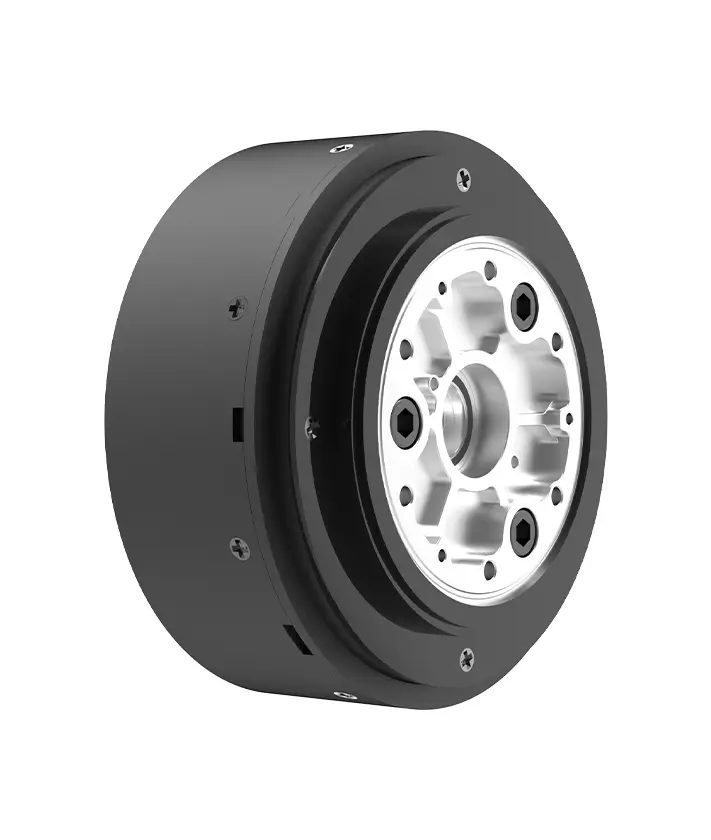
Current capacity should be at least 1A per servo, and more if multiple servos are used simultaneously.
Ripple and noise should be low, especially in precision applications.
A common mistake is using a battery pack designed for consumer electronics, which may have unregulated output. For industrial use, a regulated DC power supply with adjustable voltage is a safer choice. Always test the actual voltage at the servo connector under load, as voltage drop across cables can reduce performance.
Key Specifications to Check Before Ordering
Before finalizing your purchase, verify these specifications with the supplier:
If the supplier cannot provide these values or offers vague specifications, consider it a red flag. Accurate specification sheets are a sign of a reliable manufacturer.
Common Questions About LKY61 Micro Servo Voltage
Q: Can I run the LKY61 at 5V?
Yes, 5V is within the operating range. However, torque and speed will be lower than at 6.0V. For applications where full performance is not required, 5V is a safe choice.
Q: What happens if I use a 7.4V battery?
Do not use 7.4V. This exceeds the maximum rated voltage and will likely damage the servo's internal electronics within minutes.
Q: Does voltage affect servo accuracy?
Not directly, but low voltage can cause insufficient torque, leading to positioning errors under load. Accuracy is more dependent on the controller and feedback mechanism.
Q: How do I measure the actual voltage at the servo?
Use a multimeter at the servo's power pins while the servo is operating under load. This gives the real voltage after cable losses.
Q: Can I use a voltage regulator to step down a higher supply?
Yes, a linear or switching regulator that outputs a stable 5V or 6V can work, provided it can supply at least 1A per servo.
Q: Is the LKY61 compatible with 3.3V control signals?
The control signal voltage is separate from the power voltage. Many controllers use 3.3V logic, which is usually compatible, but confirm with the datasheet.
Q: Does the servo draw more current at higher voltage?
Yes, current draw increases with voltage and load. At stall, current can be significantly higher than at idle.
Q: What is the typical lifespan of the LKY61 at 6.0V?
Lifespan varies by load and duty cycle, but under normal conditions, it should last thousands of hours. Overvoltage or continuous stall conditions will reduce lifespan.
Making a Better Long-Term Decision
Choosing the correct voltage for the LKY61 micro servo is a small but critical step in ensuring your automation system performs reliably. Start by confirming the operating voltage range with your supplier. Then, match it to a regulated power supply that can deliver sufficient current. Test the voltage under load before full deployment. If you are evaluating multiple suppliers,ask for clear specification sheets and voltage performance data. A supplier that provides transparent technical details is more likely to deliver consistent quality.
If you need help selecting the right servo or power configuration for your application, send your specifications to the kpower servo team for an engineering review. A few minutes of verification now can save weeks of troubleshooting later.
Update Time:2026-07-09

Contatta lo specialista di prodotto Kpower per consigliare il motore o il riduttore adatto al tuo prodotto.


