
























기술 지원


게시됨 2026-07-03
수서보 기구모터가 한 방향으로만 회전합니까? 구매자가 알아야 할 사항
빠른 답변
아니요, 표준서보 기구모터는 한 방향으로만 계속 회전하지 않습니다. 최대서보 기구모터는 제한된 각도 범위(일반적으로 0~180도) 내에서 작동하며 시계 방향과 시계 반대 방향으로 회전하여 명령된 위치에 도달할 수 있습니다. 그러나 양방향으로 360도 회전할 수 있는 연속 회전 서보가 존재하지만 위치 피드백이 부족합니다. 대부분의 산업 및 정밀 모션 제어 응용 분야에서는 제한된 각도의 양방향 회전이 표준입니다. 애플리케이션에 위치 제어와 함께 지속적인 회전이 필요한 경우브러시리스 DC 모터또는스테퍼 모터표준 서보가 아닌 인코더를 사용합니다.
소개
생산 라인이 중단됩니다. 불량부품이 쌓입니다. 유지보수팀이 출격합니다. 이러한 혼란은 종종 단순한 오해, 즉 서보 모터가 한 방향으로만 회전할 수 있다고 가정하는 데서 비롯됩니다. 엔지니어나 조달 관리자가 모션 구성 요소를 지정할 때 한 방향으로 계속 회전하는 DC 모터와 같은 다른 모터 유형의 가정을 수행하는 경우가 있습니다. 서보 모터는 다르게 동작합니다. 지속적인 회전이 아닌 정확한 각도 위치 지정을 위해 설계되었습니다. 이 기본 특성을 잘못 해석하면 잘못된 구성 요소 선택, 비용 증가 및 시스템 재설계로 이어집니다. 서보 모터가 무엇을 할 수 있고 무엇을 할 수 없는지, 특히 회전 방향과 관련하여 이해하는 것은 이론적인 질문이 아닙니다. 이는 기계 위치가 정확하고 안정적으로 순환하며 필요한 생산 결과를 제공하는지 여부에 직접적인 영향을 미칩니다.
목차
서보 모터가 회전 방향을 제어하는 방법
표준 서보와 연속 회전 서보
지속적인 회전이 필요할 때 일어나는 일
구매 전 확인해야 할 주요 사양
서보 회전에 대한 일반적인 오해
구매자가 서보 회전에 대해 자주 묻는 질문
귀하의 응용 분야에 적합한 모션 솔루션 선택
서보 모터가 회전 방향을 제어하는 방법
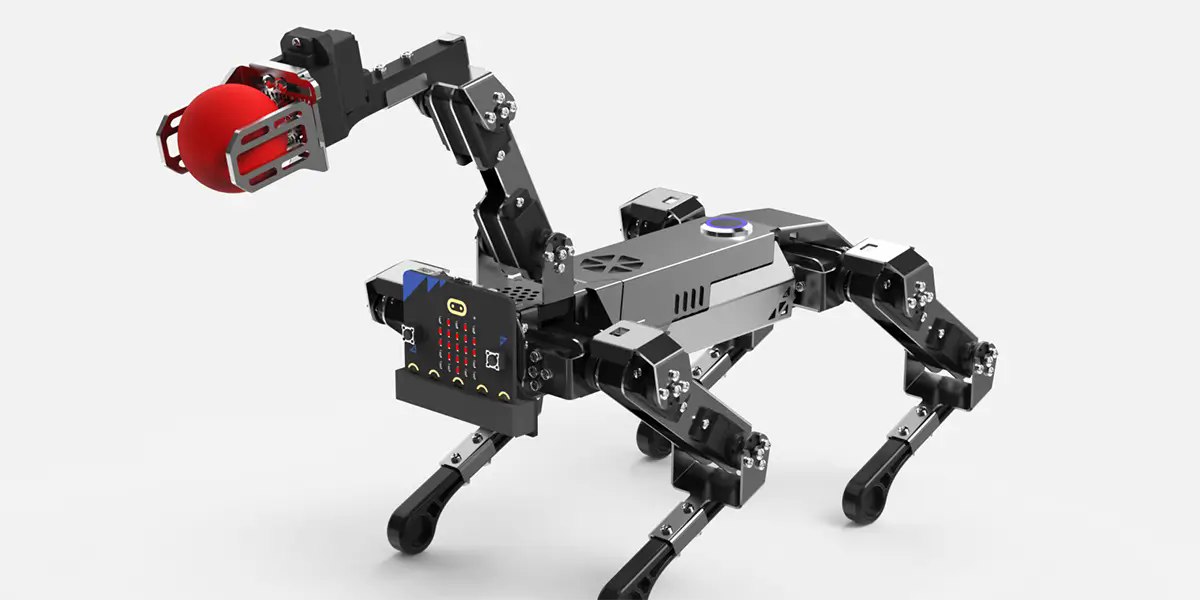
서보 모터의 양방향 회전 기능은 피드백 제어 루프에 내장되어 있습니다. 모터는 특정 각도 위치로 이동하라는 명령 신호(일반적으로 펄스 폭 변조(PWM) 신호)를 수신합니다. 내부 컨트롤러는 현재 위치(전위차계 또는 인코더로부터)를 목표 위치와 비교합니다. 현재 각도가 목표 각도보다 작으면 모터가 시계 방향으로 회전합니다. 그 값이 크면 시계 반대 방향으로 회전합니다.
이 양방향 기능은 필수적입니다. 에서픽 앤 플레이스 로봇예를 들어, 서보는 부품을 선택하려면 한 방향으로 회전해야 하고 부품을 배치하려면 반대 방향으로 회전해야 합니다. 에서CNC 기계, 회전축의 서보는 도구 경로를 따르기 위해 앞뒤로 이동해야 합니다. 양방향 회전이 없으면 이러한 응용 프로그램은 불가능합니다.
중요한 점은 표준 서보가 자유롭게 회전하지 않는다는 것입니다. 명령된 각도에 도달할 만큼만 회전한 다음 정지하고 해당 위치를 유지합니다. 최대 범위는 일반적으로 180도이지만 일부 산업용 서보는 수정을 통해 270도 또는 360도를 제공합니다. 그러나 모션은 연속적이지 않고 항상 각진 상태입니다.
표준 서보와 연속 회전 서보
많은 구매자들이 제품 카테고리에 "연속 회전 서보"를 보고 혼란을 겪습니다. 이는 기본값이 아닌 특수 변형입니다.
정확한 위치를 유지하면서 한 방향으로 계속 회전하는 모터가 필요한 경우 연속 회전 서보는 해결책이 아닙니다. 무한정 회전할 수 있지만 어디서 멈췄는지 알 수는 없습니다. 지속적인 회전과 위치 피드백이 모두 필요한 애플리케이션의 경우 다음을 고려하십시오.서보 드라이브 시스템로터리 엔코더와AC 서보 모터, 토크, 속도 또는 위치 모드에서 작동할 수 있습니다.
지속적인 회전이 필요할 때 일어나는 일
기계가 제어된 속도로 지속적으로 회전하는 롤러가 필요하지만 절단 작업을 위해 정확한 각도에서 멈춰야 한다고 가정해 보겠습니다. 표준 서보는 지속적인 회전을 제공할 수 없습니다. 연속 회전 서보는 정확한 각도에서 정지할 수 없습니다. 두 옵션 모두 귀하의 요구 사항을 완전히 충족하지 않습니다.
이 시나리오에서 올바른 접근 방식은 다음을 지원하는 서보 드라이브와 함께 서보 모터를 사용하는 것입니다.속도 모드그리고위치 모드. 많은 최신 서보 드라이브는 즉시 모드 간 전환을 허용합니다. 모터는 이송 작업을 위해 속도 모드로 계속 회전한 후 절단 정지를 위해 위치 모드로 전환됩니다. 이 설정에는 고성능 서보 드라이브와 절대 또는 증분 인코더가 있는 모터가 필요합니다.
이 옵션을 평가하는 구매자는 서보 드라이브가 지원하는지 확인하십시오.이중 루프 제어또는동적 모드 전환. 모든 드라이브가 그렇지는 않습니다. 또한 모터의 상태도 확인하십시오.정격 토크그리고최대 속도프로세스 사이클 시간을 일치시키십시오. 여기에서 불일치가 발생하면 위치가 누락되거나 처리량이 감소됩니다.
구매 전 확인해야 할 주요 사양
양방향 또는 연속 회전 애플리케이션을 위한 서보 모터를 지정할 때 다음 매개변수에 중점을 두십시오.
피드백 해결: 해상도가 높을수록(예: 17비트 또는 23비트 인코더) 양방향 위치 정확도가 향상됩니다.
최대 회전 범위: 모터가 180°, 270°, 360° 기계적 이동을 지원하는지 확인하세요.
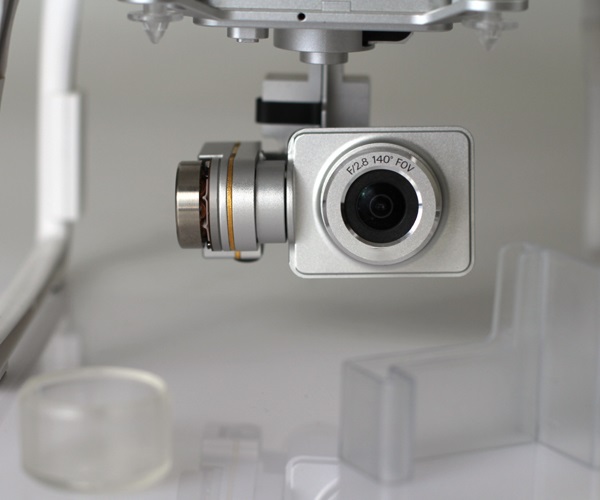
유지 토크: 모터는 중심뿐만 아니라 회전의 양쪽 끝점에서 위치를 유지해야 합니다.
소프트 한도: 일부 서보 드라이브는 과도한 회전과 기계적 손상을 방지하기 위해 소프트 제한 프로그래밍을 허용합니다.
가속 및 감속 프로필: 고속에서의 양방향 모션은 오버슈트를 피하기 위해 부드러운 램핑이 필요합니다.
브레이크 옵션 : If the motor must hold position when power is removed, verify if a holding brake is available.
Ignoring these specifications can result in a motor that overshoots its target, vibrates at the endpoint, or fails to return to zero reliably.
서보 회전에 대한 일반적인 오해
One persistent myth is that a servo motor cannot rotate counterclockwise. This likely comes from experience with low-cost hobby servos that are calibrated for a single direction in simple RC models. In industrial-grade servo systems, bidirectional rotation is standard.
Another misconception is that adding a gearbox changes rotation direction permanently. A gearbox does affect output speed and torque, but it does not prevent the motor from rotating both ways. The direction capability is determined by the motor and drive electronics, not the gearbox.
A third mistake is assuming that a servo motor can freewheel or coast. A servo is always under active control. When power is removed, it does not spin freely; it may lock in place clutch or drift depending on the brake configuration. For applications requiring free rotation during setup, specify a servo with a release mechanism or a separate.
구매자가 서보 회전에 대해 자주 묻는 질문
Q: Can I make a standard servo rotate 360 degrees?
No. Standard servos have mechanical stops that limit rotation to 180 or 270 degrees. Attempting to exceed this range can damage the internal potentiometer or gears.
Q: What is the difference between a servo motor and a stepper motor for bidirectional rotation?
A servo motor uses closed-loop feedback to verify position. A stepper motor typically operates open-loop. For bidirectional positioning under varying load, a servo is more reliable, though more expensive.
Q: Does a servo motor need a special driver for bidirectional operation?
Most servo drives support bidirectional rotation by default. The direction is controlled by the command signal polarity or pulse sequence. No special hardware is needed.
Q: Can a servo motor rotate in only one direction if I wire it wrong?
Incorrect wiring can cause the motor to fail to respond or move erratically, but it will not permanently force single-direction rotation. Check the signal polarity and feedback wiring.
Q: Is a continuous rotation servo suitable for a conveyor application?
It can provide continuous rotation, but it cannot maintain a precise stop position. For conveyors that require indexing, a standard servo with a 서보 드라이브 is more appropriate.
Q: How do I test if my servo rotates both directions?
Send a command for a small positive angle, then a small negative angle. Observe the output shaft movement. If it moves in both directions relative to the neutral position, bidirectional function is normal.
Q: Does load affect rotation direction capability?
High inertial loads can cause the motor to overshoot when reversing direction. This is a control tuning issue, not a hardware limitation. Proper servo tuning is essential for reliable bidirectional operation.
귀하의 응용 분야에 적합한 모션 솔루션 선택
A servo motor is not a one-direction device. It is a bidirectional precision positioning tool. If your application requires continuous rotation, you need a different motor topology or a servo drive with mode switching. If you need precise stops at both ends of a limited range, a standard servo is the correct choice.
Before you finalize a specification, review your motion profile. Does your load require holding torque at both rotation endpoints? Do you need to reverse direction under full load? Is position feedback required during continuous rotation? These questions lead to the correct selection.
~에kpower서보 기구 , we provide servo systems with encoder feedback, customizable rotation ranges, and drive flexibility for both bidirectional and continuous rotation applications. If you are evaluating a motion control solution, send your application parameters for a technical review. Our engineering team can help determine whether a standard servo, continuous rotation servo, or alternative motor technology fits your production requirements.
업데이트 시간:2026-07-03


