



























TECHNISCHE UNTERSTÜTZUNG


Veröffentlicht 2026-07-13
SEO-Titel: Wie man ein Ranking erstelltServoMotoren: Ein Käuferleitfaden zum Vergleich von Leistung und Wert
Meta-Beschreibung: Hören Sie auf zu raten, welchesServoMotor schneidet am besten ab. In diesem Leitfaden werden Drehmoment, Geschwindigkeit, Feedback und Zuverlässigkeit verglichen. Nutzen Sie die Checkliste, um eine intelligentere Beschaffungsentscheidung für Ihre Automatisierungslinie zu treffen.
Schnelle Antwort
Es gibt kein einzelnes „Bestes“ServoMotorranking, das für alle Anwendungen geeignet ist. Die richtige Wahl hängt von Ihren spezifischen Drehmomentanforderungen, dem Drehzahlbereich, der Rückkopplungsart und den Umgebungsbedingungen ab. Ein Motor, der in einer Kategorie – etwa der Geschwindigkeit – den höchsten Rang einnimmt, kann in einer anderen, etwa dem Haltemoment oder der Haltbarkeit, eine schlechte Leistung erbringen. Käufer sollten die Rangfolge auf der Grundlage des tatsächlichen Lastprofils, des Arbeitszyklus und der Präzisionsanforderungen ihrer Maschine bewerten. Der Vergleich von Spezifikationen wie Nenndrehmoment-Trägheits-Verhältnis, Feedback-Auflösung und IP-Schutzart ist sinnvoller als das Verlassen auf generische Rankings. Überprüfen Sie immer. Leistungsdaten mit dem Lieferanten, bevor eine endgültige Entscheidung getroffen wird.
Einführung
Jeder Produktionsleiter kennt diese Situation: Eine neue Automatisierungslinie steht kurz vor der Inbetriebnahme, aber die anhand eines beliebten Online-Rankings ausgewählten Servomotoren verursachen unerwartete Vibrationen, Überhitzung oder Positionierungsfehler. Die Linie stoppt. Das Wartungsteam gerät in Aufruhr. Das Produktionsziel rutscht ab.
Das ist keine seltene Geschichte. In vielen Fällen liegt das Problem nicht am Motor selbst, sondern an der Diskrepanz zwischen der Rangfolge und der tatsächlichen Anwendung. Bei allgemeinen Rankings werden häufig kritische Faktoren wie Arbeitszyklus, Umgebungstemperatur, Kabellänge und Controller-Kompatibilität ignoriert. Wenn sich Käufer ausschließlich auf eine Liste verlassen, ohne die zugrunde liegenden Parameter zu verstehen, riskieren sie höhere Ausfallzeiten, mehr Ausschussteile und längere Inbetriebnahmezeiten.
Aus diesem Grund gibt Ihnen dieser Artikel kein festes Ranking. Stattdessen erhalten Sie die Tools, mit denen Sie Ihr eigenes Ranking erstellen können – basierend auf Ihren spezifischen Anforderungen. Sie erfahren, welche Parameter wichtig sind, wie Sie Motoren verschiedener Marken vergleichen und welche Fragen Sie stellen sollten, bevor Sie sich an einen Lieferanten wenden.
Inhaltsverzeichnis
Warum generische Servomotor-Rankings Käufer irreführen können
Wichtige Leistungsparameter, die Sie vergleichen sollten
So bewerten Sie die Übereinstimmung von Drehmoment, Geschwindigkeit und Trägheit
Feedback-Art und Lösung: Was wirklich zählt
Zu überprüfende Umwelt- und Haltbarkeitsfaktoren
Häufige Fehler beim Vergleich der Servomotor-Rangliste
Fragen, die Käufer häufig zur Leistung von Servomotoren stellen
Benötigen Sie Hilfe bei der Auswahl des richtigen Servomotors für Ihre Anwendung?
Warum generische Servomotor-Rankings Käufer irreführen können
Die meisten Online-Rankings basieren auf begrenzten Daten – oft aus einer einzigen Testbedingung oder Marketingmaterial. Ein Motor kann aufgrund seines Spitzendrehmoments einen hohen Rang einnehmen, dieses Drehmoment kann jedoch nur für einige Sekunden aufrechterhalten werden. Bei einer Dauerbetriebanwendung könnte derselbe Motor schnell überhitzen.
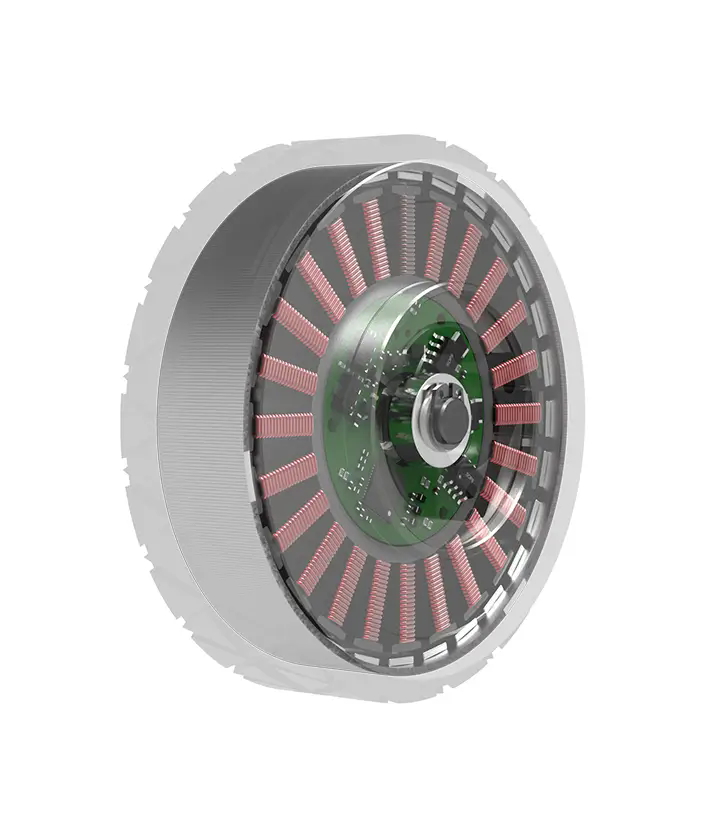
Ein weiteres Problem besteht darin, dass Rankings selten Ihre spezifischen Lasteigenschaften berücksichtigen. Ein Motor, der für Lasten mit geringer Trägheit, wie z. B. Pick-and-Place-Roboter, optimiert ist, wird in Anwendungen mit hoher Trägheit wie Drehtischen oder schwerer Indexierung eine schlechte Leistung erbringen.
Rankings ignorieren auch die Qualität des Feedback-Geräts. Zwei Motoren mit identischen Drehmoment- und Drehzahlwerten können eine sehr unterschiedliche Positioniergenauigkeit aufweisen, je nachdem, ob sie einen Resolver, einen Inkrementalgeber oder einen Absolutwertgeber verwenden. Ein Resolver-basierter Motor ist möglicherweise in vibrationsintensiven Umgebungen langlebiger, während ein Absolutwertgeber-basierter Motor eine höhere Präzision für die Positionierung mit mehreren Drehungen bietet.
Wenn man sich auf ein generisches Ranking verlässt, führt dies oft zu einer längeren Inbetriebnahmezeit, einem höheren Abstimmungsaufwand und einer geringeren Gesamtzuverlässigkeit der Maschine. Konzentrieren Sie sich darauf, den Leistungsbereich des Motors an das tatsächliche Zyklusprofil Ihrer Maschine anzupassen, anstatt einer Rangfolge nachzujagen.
Wichtige Leistungsparameter, die Sie vergleichen sollten
Beginnen Sie beim Erstellen Ihres eigenen Vergleichs mit diesen sieben Parametern. Sie bilden die Grundlage für jedenAuswahl des ServomotorsEntscheidung.
Vergleichen Sie diese Werte bei mindestens drei Lieferanten unter denselben Testbedingungen. Wenn ein Lieferant das Nenndrehmoment bei einer anderen Umgebungstemperatur oder einem anderen Arbeitszyklus veröffentlicht, passen Sie Ihren Vergleich entsprechend an.
So bewerten Sie die Übereinstimmung von Drehmoment, Geschwindigkeit und Trägheit
Die häufigste Diskrepanz bei Servomotoranwendungen besteht zwischen der Drehmoment-Drehzahl-Kurve des Motors und dem tatsächlichen Bedarf der Last. Eine Rangliste, die nur das Spitzendrehmoment auflistet, ignoriert den Dauerbetriebsbereich, in dem die meisten Maschinen über 90 % ihrer Zeit verbringen.
Beginnen Sie mit der Berechnung des erforderlichen Drehmoments Ihrer Last über den gesamten Zyklus – Beschleunigung, konstante Geschwindigkeit, Verzögerung und Verweildauer. Vergleichen Sie dies mit der kontinuierlichen Drehmomentzone des Motors. Wenn Ihr Spitzenbedarf das Spitzendrehmoment des Motors länger als ein paar Sekunden überschreitet, kann der Motor einen Überstromfehler oder eine thermische Abschaltung auslösen.
Ebenso wichtig ist die Trägheitsanpassung. Ein Motor mit einer sehr geringen Rotorträgheit kann Schwierigkeiten haben, eine Last mit hoher Trägheit zu steuern, was zu Schwingungen oder langen Einschwingzeiten führen kann. Eine gute Faustregel besteht darin, das Last-zu-Motor-Trägheitsverhältnis für Standardanwendungen unter 10:1 und für hochpräzise Positionierung unter 5:1 zu halten. Wenn Ihr Übersetzungsverhältnis höher ist, ziehen Sie einen größeren Motor oder ein Getriebe in Betracht.
Auch Geschwindigkeitsanforderungen sollten überprüft werden. Ein Motor mit einer Nenndrehzahl von 3000 U/min liefert möglicherweise nur ein Nenndrehmoment bis 2000 U/min, wobei das Drehmoment oberhalb dieser Drehzahl abfällt. Überprüfen Sie immer die Drehmoment-Drehzahl-Kurve, nicht nur die Nenndrehzahl.
Feedback-Art und Lösung: Was wirklich zählt
Feedback-Geräte werden beim Vergleich von Servomotoren oft am häufigsten übersehen. Dennoch haben sie einen direkten Einfluss auf die Positionierungsgenauigkeit, Wiederholbarkeit und Systemstabilität.
Es gibt drei gängige Typen:
Resolver: Langlebig, stoß- und vibrationsfest, aber begrenzte Auflösung. Geeignet für raue Umgebungen, in denen absolute Präzision nicht entscheidend ist.
Inkrementalgeber: Bietet eine höhere Auflösung als Resolver. Erfordert einen Referenzierungszyklus nach einem Stromausfall. Gut für die meisten allgemeinen Automatisierungszwecke.
Absolutwertgeber: Behält Positionsdaten auch nach einem Stromausfall bei. Keine Referenzfahrt erforderlich. Ideal für Mehrachsensysteme und Anwendungen, die eine hohe Wiederholgenauigkeit erfordern.
Die Auflösung wird in Impulsen pro Umdrehung (PPR) oder Bits gemessen. Ein 17-Bit-Encoder liefert 131.072 Zählimpulse pro Umdrehung, während ein 23-Bit-Encoder über 8 Millionen Zählimpulse liefert. Eine höhere Auflösung ermöglicht eine feinere Positionierung, erfordert aber auch einen schnelleren Controller und kürzere Kabelstrecken, um Signalrauschen zu vermeiden.
Für die meisten Verpackungs-, Montage- und Materialhandhabungsanwendungen bietet ein 17-Bit- bis 20-Bit-Absolutwertgeber ein gutes Verhältnis von Kosten und Leistung. Für Präzisionsbearbeitung oder Halbleiterausrüstung sollten Sie 22-Bit oder höher in Betracht ziehen.

Zu überprüfende Umwelt- und Haltbarkeitsfaktoren
Ein Servomotor, der in einem sauberen, temperaturgeregelten Labor gut funktioniert, kann in einer Fabrikhalle, in der er Kühlmittel, Staub oder hoher Umgebungswärme ausgesetzt ist, innerhalb von Monaten ausfallen.
Überprüfen Sie dieIP-SchutzartErste. Für trockene Innenräume ist IP54 in der Regel ausreichend. Für Nassreinigung oder Lebensmittelverarbeitung wird IP65 oder höher empfohlen. Für Außen- oder staubige Umgebungen bietet IP67 vollständigen Schutz gegen das Eindringen von Staub und vorübergehendes Untertauchen.
Der Betriebstemperaturbereich ist ein weiterer kritischer Faktor. Die meisten Standard-Servomotoren sind für eine Umgebungstemperatur von 0 °C bis 40 °C ausgelegt. Wenn Ihre Anwendung in der Nähe von Öfen, in Kühlhäusern oder bei direkter Sonneneinstrahlung läuft, überprüfen Sie die erweiterte Temperaturbewertung des Motors. Einige Motoren benötigen möglicherweise eine Zwangskühlung oder eine Leistungsreduzierung über 40 °C.
Auch die Kabellänge und der Steckertyp wirken sich auf die Leistung aus. Lange Kabel können insbesondere bei hochauflösenden Encodern zu Spannungsabfällen und Signalverschlechterungen führen. Wenn Ihre Kabellänge mehr als 10 Meter beträgt, fragen Sie den Lieferanten nach abgeschirmten Kabeln, Differenzsignalen oder Remote-Encoder-Boxen.
Häufige Fehler beim Vergleich der Servomotor-Rangliste
Selbst erfahrene Ingenieure tappen in diese Fallen. Vermeiden Sie sie, um einen zuverlässigeren Vergleich zu ermöglichen.
Mischtestbedingungen: Ein Lieferant kann das Drehmoment bei 25 °C angeben, ein anderer bei 40 °C. Vergleichen Sie nur Werte, die unter den gleichen Umgebungsbedingungen getestet wurden.
Arbeitszyklus ignorieren: Ein für S1-Dauerbetrieb ausgelegter Motor kann unbegrenzt laufen. Ein S2-Motor kann nur für kurze Zeit laufen, bevor er abkühlt. Der Einsatz eines S2-Motors im Dauerbetrieb führt zu Überhitzung.
Controller-Kompatibilität außer Acht gelassen: Ein Hochleistungsmotor gepaart mit einem nicht passenden Antrieb wird nie seine Nennleistung erreichen. Stellen Sie sicher, dass der Antrieb den Feedbacktyp, die Spannung und das Stromprofil des Motors unterstützt.
Verlassen Sie sich allein auf das Spitzendrehmoment: Das Spitzendrehmoment wird normalerweise für weniger als 3 Sekunden aufrechterhalten. Für die meisten Anwendungen ist das Dauerdrehmoment die eigentliche Einschränkung.
Ohne Berücksichtigung der Getriebeverluste: Wenn ein Getriebe verwendet wird, tragen dessen Wirkungsgrad und Spiel zur effektiven Trägheit und zum Positionierungsfehler des Systems bei.
Die Vermeidung dieser Fehler kann die Inbetriebnahmezeit um bis zu 30 % verkürzen und die Maschinenverfügbarkeit erheblich verbessern.
Fragen, die Käufer häufig zur Leistung von Servomotoren stellen
F: Woher weiß ich, ob eine Servomotor-Rangliste zuverlässig ist?
A: Suchen Sie nach Ranglisten, die Testbedingungen spezifizieren – Umgebungstemperatur, Arbeitszyklus und Lasttyp. Zu den zuverlässigen Rankings zählen auch Drehmoment-Drehzahl-Kurven und Feedback-Auflösungsdaten.
F: Was ist wichtiger, Drehmoment oder Geschwindigkeit?
A: Das hängt von Ihrer Anwendung ab. Bei Zyklen mit hoher Beschleunigung ist das Verhältnis von Drehmoment zu Trägheit am wichtigsten. Bei kontinuierlichen Prozessen mit hohem Durchsatz sind Nenndrehzahl und Dauerdrehmoment wichtiger.
F: Kann ich einen Resolver-basierten Motor für eine hochpräzise Positionierung verwenden?
A: Resolver sind weniger genau als Encoder. Für Anwendungen, die eine Wiederholgenauigkeit von mehr als 0,1 Grad erfordern, wird ein Absolutwertgeber empfohlen.
F: Warum überhitzt mein Servomotor, obwohl er innerhalb des Nenndrehmoments liegt?
A: Überprüfen Sie den Arbeitszyklus. Möglicherweise läuft der Motor im S2-Kurzzeitbetrieb oder ist hohen Umgebungstemperaturen ausgesetzt. Überprüfen Sie auch die Kabellänge und die Antriebsabstimmung.
F: Sollte ich immer den Encoder mit der höchsten Auflösung wählen?
A: Nein. Eine höhere Auflösung erhöht die Kosten und die Signalempfindlichkeit. Wählen Sie eine Auflösung, die Ihrer erforderlichen Positionierungsgenauigkeit entspricht. Für die meisten Automatisierungen sind 17-Bit bis 20-Bit ausreichend.
F: Wie wichtig ist das Verhältnis von Drehmoment zu Trägheit?
A: Sehr wichtig. Ein niedriges Verhältnis bedeutet eine langsamere Beschleunigung und längere Einschwingzeiten. Dies wirkt sich direkt auf die Zykluszeit und den Durchsatz aus.
F: Was ist der Unterschied zwischen Haltemoment und Nenndrehmoment?
A: Das Haltemoment ist das Drehmoment, das der Motor im Stillstand bei angelegter Leistung aufrechterhalten kann. Das Nenndrehmoment ist das Dauerdrehmoment, das der Motor während der Drehung ohne Überhitzung liefern kann.
F: Kann ich Servomotoren verschiedener Marken in einem System kombinieren?
A: Es ist möglich, wird aber nicht empfohlen. Verschiedene Marken verfügen möglicherweise über inkompatible Feedback-Protokolle, Tuning-Algorithmen und aktuelle Profile. Dies erhöht die Komplexität und das Risiko der Inbetriebnahme.
F: Wie überprüfe ich, ob ein Servomotor für eine Nassumgebung geeignet ist?
A: Überprüfen Sie die IP-Einstufung. Für den Washdown ist IP65 oder höher erforderlich. Überprüfen Sie auch die Steckerdichtung und den Kabeleinführungspunkt, da dies häufige Fehlerstellen sind.
F: Was sollte ich einen Lieferanten vor dem Kauf basierend auf einem Ranking fragen?
A: Fragen Sie nach der Drehmoment-Drehzahl-Kurve, der Einschaltdauer, der Feedback-Auflösung, dem Umgebungstemperaturbereich, der IP-Schutzart und der Controller-Kompatibilitätsliste.
Benötigen Sie Hilfe bei der Auswahl des richtigen Servomotors für Ihre Anwendung?
Bei der Auswahl des richtigen Servomotors geht es nicht darum, den höchsten Rang zu finden. Es geht darum, den Leistungsumfang des Motors an das tatsächliche Lastprofil, den Arbeitszyklus und die Umgebungsbedingungen Ihrer Maschine anzupassen. Ein Motor, der in allgemeinen Listen einen niedrigeren Rang einnimmt, aber Ihrem spezifischen Drehmoment-Trägheits-Verhältnis und Ihren Feedback-Anforderungen entspricht, sorgt für eine bessere Betriebszeit, weniger Ausschussteile und niedrigere Gesamtbetriebskosten.
Wenn Sie derzeit Servomotoren für eine neue Linie evaluieren oder ein bestehendes System aufrüsten, sollten Sie Ihr Lastprofil und Ihre Zyklusparameter an sendenkpowerServofür eine technische Überprüfung. Ihr Team kann Ihnen beim Vergleich der Spezifikationen verschiedener Modelle helfen und eine Konfiguration empfehlen, die zu Ihrer Anwendung passt.
Teilen Sie zunächst Ihre Drehmomentanforderungen, Ihren Drehzahlbereich und Ihre Umgebungsbedingungen mit. Von dort aus können Sie eine detaillierte Vergleichstabelle und ein auf Ihr Projekt zugeschnittenes Angebot anfordern.
Aktualisierungszeit: 13.07.2026

Wenden Sie sich an den Produktspezialisten von Kpower, um einen geeigneten Motor oder ein geeignetes Getriebe für Ihr Produkt zu empfehlen.


