



























TECHNISCHE UNTERSTÜTZUNG


Veröffentlicht 2026-07-17
Schnelle Antwort
Das Richtige wählenVolzServoDie Lösung erfordert, der Positionsgenauigkeit und der dynamischen Reaktion Vorrang vor der reinen Drehmomentabgabe zu geben. Während viele Käufer ausschließlich auf die Spitzenleistung achten, erfordert Hochleistungsautomatisierung eine strenge Toleranzkontrolle, um kumulative Fehler in Mehrachsensystemen zu verhindern. Ein Missverhältnis inServoEigenschaften führen häufig zu erhöhten Ausschussraten und ungeplanten Ausfallzeiten. Daher bewertenServoMotorauswahlKriterien basierend auf spezifischen Lastprofilen und Beschleunigungsanforderungen sind entscheidend für die Gewährleistung einer langfristigen Betriebsstabilität und die Maximierung der Kapitalrendite in komplexen Fertigungsumgebungen.
01Das Volz-Servo-Paradoxon: Warum Präzision in der modernen Automatisierung wichtiger ist als Leistung
In hochriskanten Fertigungsumgebungen liegt der Unterschied zwischen einer profitablen Schicht und einem katastrophalen Ausfall oft in den Mikrobewegungen einer einzelnen Komponente. Beschaffungsteams stehen bei der Spezifikation von Bewegungssteuerungssystemen häufig vor einem Dilemma: Sollten sie der maximalen Drehmomentkapazität oder der ultimativen Positionstreue Priorität einräumen? Für Anwendungen, die eine komplizierte Synchronisierung erfordern, wie etwa die Präzisionsmontage, die Handhabung von Halbleitern oder die Herstellung medizinischer Geräte, lautet die Antwort eindeutig Letzteres. Verständnis der nuancierten Rolle vonVolz servoTechnologie ist nicht mehr optional; Dies ist eine Grundvoraussetzung für die Aufrechterhaltung eines Wettbewerbsvorteils in einer Branche, in der Millimeter in Millionen übersetzt werden.
In diesem Leitfaden erfahren Sie, warum Präzision wichtiger ist als rohe Gewalt, wie Sie Servosysteme effektiv bewerten und welche versteckten Kosten eine falsche Wahl mit sich bringt. Durch die Verlagerung des Fokus von einfachen Leistungsmetriken hin zu umfassender dynamischer Leistung können Entscheidungsträger Lösungen sicherstellen, die die Qualität verbessern, Abfall reduzieren und die Lebensdauer der Geräte verlängern.
Die versteckten Kosten eines „ausreichend guten“ Drehmoments
Viele Ingenieure spezifizieren Servos zunächst auf der Grundlage statischer Drehmomentanforderungen und gehen davon aus, dass ein Motor, der eine Last heben kann, ausreicht, um sie präzise zu bewegen. Dieser Ansatz übersieht die dynamischen Kräfte, die bei schnellen Beschleunigungs- und Verzögerungszyklen wirken. Wenn einem Servo die nötige Steifigkeit oder Rückmeldungsauflösung fehlt, summieren sich selbst geringfügige Abweichungen über Tausende von Zyklen. Diese Fehler äußern sich in Produktfehlern, Fehlausrichtungen und eventuellem mechanischem Verschleiß.
Die Folge ist nicht nur eine sofortige Ablehnung der Ware, sondern auch ein erhöhter Wartungsaufwand. Ein Servo, der außerhalb seines optimalen Präzisionsbereichs arbeitet, erzeugt übermäßige Wärme und Vibrationen, was den Lagerausfall beschleunigt und die Gesamtzuverlässigkeit der automatisierten Zelle verringert. Im Gegensatz dazu sorgt ein richtig ausgewähltes hochpräzises Servo für Konsistenz und stellt sicher, dass jede Bewegung im Mikrometerbereich wiederholbar ist. Diese Wiederholbarkeit ist das Fundament der schlanken Fertigung und wirkt sich direkt auf den Durchsatz und die Kosten pro Einheit aus.
Wichtige Spezifikationen für die Präzisionsbewertung
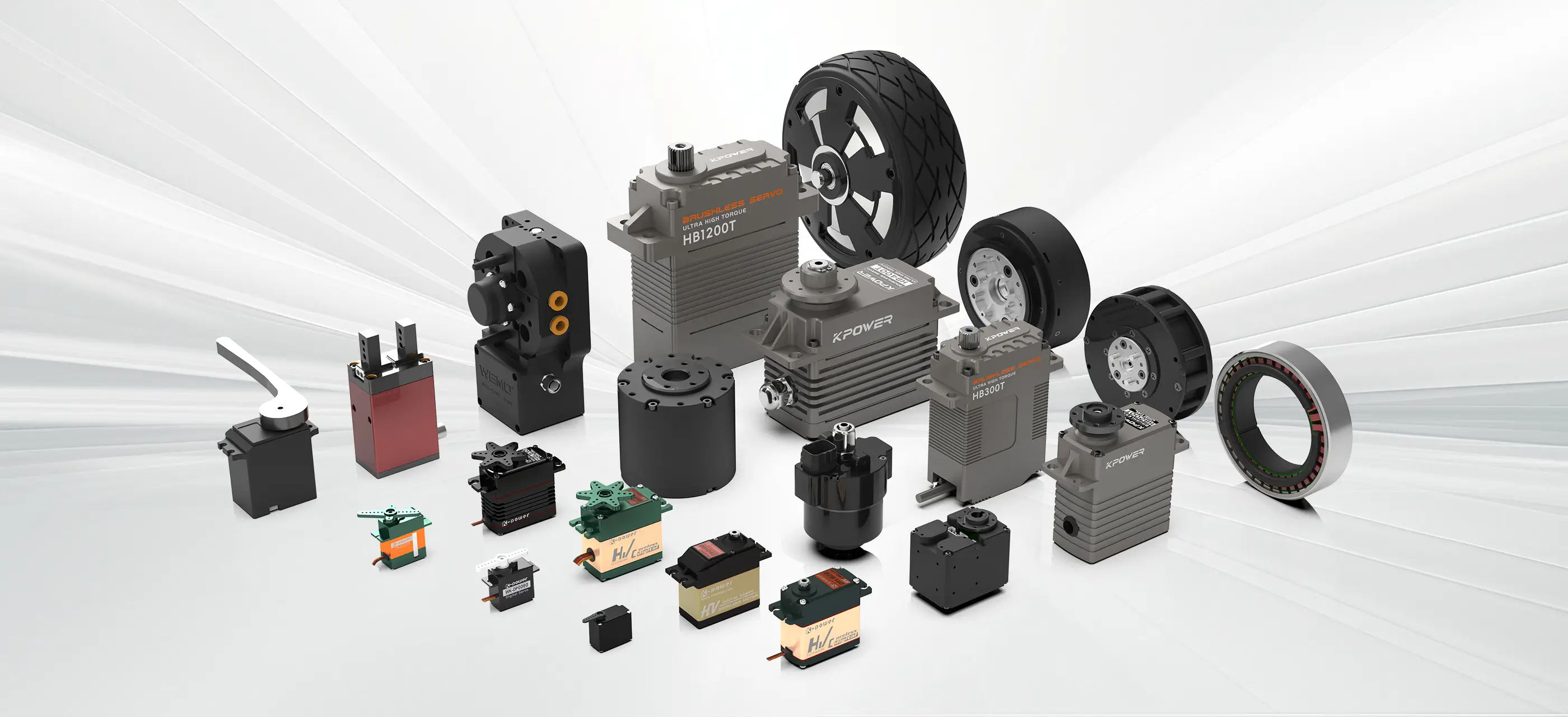
Um über die grundlegenden Leistungswerte hinauszugehen, müssen Käufer mehrere technische Parameter genau unter die Lupe nehmen, die die Präzisionsfähigkeiten eines Servos definieren. Diese Spezifikationen bestimmen, wie gut das System befohlene Positionen verfolgen und externe Störungen unterdrücken kann.
Bei der Bewertungkundenspezifische Servolösungenist es wichtig, detaillierte Datenblätter anzufordern, die diese dynamischen Leistungsmetriken und nicht nur stationäre Bewertungen enthalten. Ein Servo mit mäßigem Drehmoment, aber außergewöhnlicher Steifigkeit und Bandbreite übertrifft bei präzisionsintensiven Aufgaben häufig eine Einheit mit hohem Drehmoment und schlechter dynamischer Reaktion.
Dynamische Reaktion vs. statische Belastbarkeit
Ein weit verbreitetes Missverständnis ist, dass höhere Trägheitslasten proportional größere Motoren erfordern. Während die Trägheitsanpassung von entscheidender Bedeutung ist, kompensieren moderne Servoantriebe Trägheitsfehlanpassungen durch fortschrittliche algorithmische Abstimmung. Dieser Entschädigung sind jedoch Grenzen gesetzt. Wenn es der zugrunde liegenden mechanischen Struktur an Steifigkeit mangelt, kann keine noch so große Softwareoptimierung eine Genauigkeit im Mikrometerbereich erreichen.
Daher ist die Integration des Servos in das mechanische System von größter Bedeutung.Anwendungen zur BewegungssteuerungProfitieren Sie erheblich von Servomotoren mit geringer Trägheit gepaart mit hochsteifen Getriebekomponenten wie Harmonic Drives oder Präzisionskugelumlaufspindeln. Diese Kombination minimiert die Zeit, die zum Einschwingen nach jeder Bewegung erforderlich ist, und erhöht so die Zyklusgeschwindigkeit, ohne dass die Genauigkeit darunter leidet. Käufer sollten den gesamten Antriebsstrang und nicht nur den Motor bewerten, um sicherzustellen, dass sie sich für die Wahl entscheidenVolz servorichtet sich nach den mechanischen Einschränkungen der Anwendung.
Häufige Fallstricke bei der Servoauswahl
Beschaffungsentscheidungen werden häufig von kurzfristigen Kosteneinsparungen beeinflusst, was zu einem langfristigen Wertverfall führt. Ein häufiger Fehler besteht darin, den Einfluss des Kommunikationsprotokolls auf die Synchronisierung zu ignorieren. In mehrachsigen Systemen kann die Latenz beim Datenaustausch zu Phasenfehlern zwischen den Achsen führen, was zu komplexen Formungenauigkeiten führt. Eine weitere Gefahr besteht darin, die Umweltbedingungen zu vernachlässigen. Staub, Feuchtigkeit oder elektromagnetische Störungen können die Signalintegrität beeinträchtigen, die Messwerte des Encoders beeinträchtigen und fehlerhaftes Verhalten verursachen.
Darüber hinaus kann es zu Integrationsproblemen führen, wenn man sich ausschließlich auf Standardkonfigurationen verlässt, ohne die Kompatibilität mit vorhandenen SPS- oder SCADA-Systemen zu überprüfen. Eine gründliche technische Prüfung vor dem Kauf hilft dabei, diese Risiken frühzeitig zu erkennen. Indem Sie die richtigen Fragen stellenDrehmomentanforderungenund Umweltfaktoren können Unternehmen kostspielige Nachrüstungen vermeiden und eine reibungslose Bereitstellung gewährleisten.
Strategische Fragen für Käufer
Bevor ein Kauf abgeschlossen wird, sollten Entscheidungsträger die Lieferanten mit spezifischen technischen Anfragen beauftragen, um ihre Ansprüche zu validieren. Diese Fragen helfen dabei, die wahre Leistungsfähigkeit der vorgeschlagenen Lösung aufzudecken.
1. Wie hoch ist die tatsächliche Positionswiederholgenauigkeit unter Volllast?
Lieferanten nennen häufig Leerlaufspezifikationen. Volllasttests zeigen, wie das Servo mit realen Bedingungen umgeht, einschließlich thermischer Ausdehnung und mechanischer Durchbiegung.
2. Wie ist die Regelkreisfrequenz im Vergleich zu Wettbewerbern?
Ein schnellerer Regelkreis ermöglicht eine schnellere Fehlerkorrektur. Überprüfen Sie, ob die angekündigte Bandbreite in Standardbetriebsmodi erreichbar ist.
3. Welche Garantie deckt dynamische Leistungsausfälle ab?
Standardgarantien decken möglicherweise Hardwaredefekte, jedoch keine Leistungseinbußen ab. Stellen Sie sicher, dass der Vertrag Garantien für die Beibehaltung der Präzision über einen längeren Zeitraum enthält.
4. Können Sie Fallstudien für ähnliche Hochpräzisionsanwendungen bereitstellen?
Beispiele aus der Praxis zeigen, wie sich der Servo in Umgebungen mit vergleichbaren Vibrationen, Temperaturen und Arbeitszyklen verhält.
5. Welche Unterstützung gibt es für Tuning und Optimierung?
Komplexe Anwendungen erfordern möglicherweise eine individuelle Abstimmung. Der Zugriff auf fachkundige technische Unterstützung stellt sicher, dass der Servo sein maximales Potenzial ausschöpft.
6. Wie geht das Servo mit plötzlichen Stoßbelastungen um?
Bewerten Sie die Fähigkeit des Servos, sich von unerwarteten Stößen schnell zu erholen, ohne die Position zu verlieren oder den Mechanismus zu beschädigen.
Eine bessere langfristige Entscheidung treffen
Die Auswahl der richtigen Bewegungssteuerungstechnologie ist eine Investition in betriebliche Exzellenz. Durch die Konzentration auf Präzision, dynamische Reaktion und systemische Integration können Unternehmen qualitativ hochwertigere Ergebnisse erzielen und die Gesamtbetriebskosten senken. Die anfängliche Prämie für einen VorgesetztenVolz servowird oft durch geringere Ausschussraten, weniger Wartung und eine höhere Produktionsgeschwindigkeit ausgeglichen.
Für Unternehmen, die ihre Automatisierungsstrategie optimieren möchten, ist eine gründliche Bewertung der Servofähigkeiten anhand spezifischer Anwendungsanforderungen unerlässlich. Zusammenarbeit mit erfahrenen Lieferanten, die die Feinheiten verstehenAuswahl des Servomotorsstellt sicher, dass jede Komponente zum Gesamterfolg der Produktionslinie beiträgt.
Wenn Sie die Präzision und Zuverlässigkeit Ihres Systems verbessern möchten, sollten Sie Ihre aktuelle Konfiguration anhand der oben genannten Kriterien überprüfen. Kontaktieren Sie unser Engineering-Team, um Ihre spezifischen Anforderungen zu besprechen. Wir können eine detaillierte Analyse Ihrer Anwendung durchführen und Ihnen die am besten geeignete Lösung empfehlenVolz servoKonfiguration, um Ihre Ziele zu erreichen. Fordern Sie noch heute eine Beratung an, um herauszufinden, wie wir Sie bei Ihrem Streben nach Perfektion unterstützen können.
Aktualisierungszeit: 17.07.2026

Wenden Sie sich an den Produktspezialisten von Kpower, um einen geeigneten Motor oder ein geeignetes Getriebe für Ihr Produkt zu empfehlen.


