



























TECHNISCHE UNTERSTÜTZUNG


Veröffentlicht 2026-07-24
Artikeltitel:
Mini-Drohnen mit Kamera: So wählen Sie die richtige Drohne für Ihre Bedürfnisse aus
01Schnelle Antwort
Das Richtige wählenMini-Drohnen mit Kameraerfordert die Abstimmung von Flugstabilität, Bildauflösung und Akkulaufzeit auf Ihren spezifischen Anwendungsfall. Für Gelegenheitsbastler bieten Einstiegsmodelle unter 100 US-Dollar eine ausreichende 1080p-Videoqualität und eine grundlegende Stabilisierung. Professionelle Content-Ersteller oder Industrieinspektoren müssen jedoch Modellen mit mechanischer Kardanaufhängung, Sensoren mit höheren Megapixeln und robustem Windwiderstand den Vorzug geben, um konsistente Aufnahmen und Betriebszuverlässigkeit zu gewährleisten. Das Ignorieren von Faktoren wie der Reichweitenübertragung oder der Einhaltung gesetzlicher Vorschriften führt oft zu frustrierten Benutzern, die ihr Gerät unter realen Bedingungen als unbrauchbar empfinden. Überprüfen Sie daher vor dem Kauf den Dynamikbereich und den Gimbal-Typ der Kamera, um häufige Fallstricke zu vermeiden, die mit günstigeren, weniger zuverlässigen Optionen verbunden sind.
02Einführung
Viele Käufer, die in den Markt für kompakte Luftbildausrüstung einsteigen, erwarten von Geräten im Taschenformat erstklassige Ergebnisse, werden dann aber von verwackelten Aufnahmen, kurzen Flugzeiten oder Signalausfällen enttäuscht. In der Lücke zwischen Marketingaussagen und tatsächlicher Leistung passieren die meisten Beschaffungsfehler. Eine Drohne, die in einer kontrollierten Studioumgebung beeindruckend aussieht, kann bei Windböen im Freien oder bei schlechten Lichtverhältnissen völlig versagen. Diese Diskrepanz führt zu unnötigen Kosten in Bezug auf Ersatzeinheiten, Zeitverlust, Beeinträchtigungen und Projektergebnissen. Das Verständnis der technischen Realität hinter diesen kleinen Maschinen hilft Entscheidungsträgern, ihre Erwartungen mit den Produktfähigkeiten in Einklang zu bringen. Indem Sie sich auf Kernkennzahlen wie Sensorgröße, Stabilisierungsmechanismen und Übertragungsprotokolle konzentrieren, können Sie ein Gerät auswählen, das Ihren Arbeitsablauf wirklich unterstützt, anstatt nur auf einem Regal zu stehen.
03Die Kernkomponenten von Minidrohnen verstehen
Der Begriff „Mini“ deckt ein breites Spektrum an Spezifikationen ab, aber drei Komponenten bestimmen durchweg die Leistung: der Kamerasensor, das Stabilisierungssystem und der Flugcontroller.
Kamerasensor und Auflösung
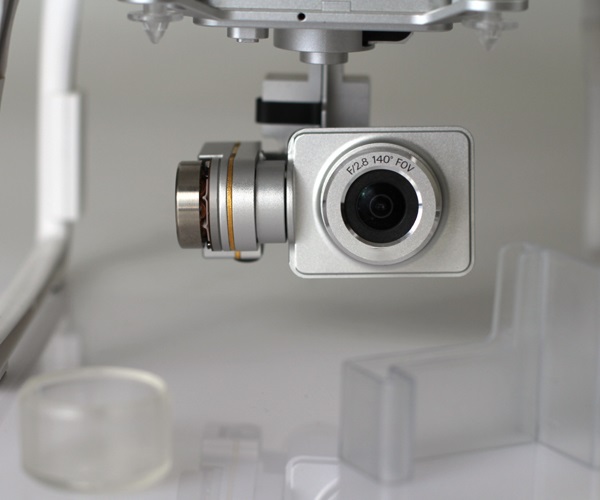
Die Auflösung allein bestimmt nicht die Bildqualität. Eine 4K-Kamera mit einem winzigen Sensor erzeugt verrauschte, verschwommene Bilder bei alles andere als perfekter Beleuchtung. Suchen Sie nach größeren Sensorgrößen, z. B. 1/2,3-Zoll- oder 1-Zoll-Sensoren, die mehr Licht und Details erfassen. Diese Sensoren ermöglichen eine bessere Farbgenauigkeit und einen besseren Dynamikbereich, was für professionell aussehende Ausgaben von entscheidender Bedeutung ist.
Stabilisierungssysteme: elektronisch vs. mechanisch
Die elektronische Bildstabilisierung (EIS) basiert auf Software-Zuschnitt und -Verarbeitung, was die Bildqualität beeinträchtigen kann. Im Gegensatz dazu hält ein mechanischer Gimbal die Kamera physisch stabil und sorgt selbst bei aggressiven Manövern für eine hervorragende Laufruhe. Für jede ernsthafte Anwendung, einschließlich Immobilien- oder Veranstaltungsberichterstattung, ist ein mechanischer 3-Achsen-Gimbal nicht verhandelbar. Es stellt sicher, dass die Horizontlinien eben bleiben und das Filmmaterial ohne umfangreiche Nachbearbeitung verwendet werden kann.
Flugregler und Windwiderstand
Minidrohnen sind von Natur aus leichter und daher anfälliger für Wind. Ein robuster Flugregler verwendet fortschrittliche Algorithmen, um die Position gegenüber äußeren Kräften aufrechtzuerhalten. Überprüfen Sie die maximale Windgeschwindigkeit. Modelle, die für Windstärke 5 (29–38 km/h) ausgelegt sind, sind im Außenbereich deutlich zuverlässiger als Modelle der Stufe 3. Diese Zuverlässigkeit verhindert Unfälle und schützt Ihre Investition.
04Wichtige Spezifikationen, die für Käufer wichtig sind
Konzentrieren Sie sich bei der Bewertung verschiedener Modelle auf diese kritischen technischen Parameter. Sie wirken sich direkt auf Ihre Fähigkeit aus, nutzbare Inhalte zu erfassen und sicher zu arbeiten.
Der Kauf der falschen Drohne ist oft darauf zurückzuführen, dass praktische Einschränkungen zugunsten auffälliger Spezifikationen außer Acht gelassen werden. Hier sind häufige Fehler zu vermeiden.
Batterielebensdauer und Austauschkosten außer Acht lassen
In Marketingmaterialien werden häufig maximale Flugzeiten genannt, die unter idealen Bedingungen erreicht werden. Der reale Einsatz bringt in der Regel 20–30 % weniger Ertrag. Darüber hinaus werden Batterien mit der Zeit schwächer. Planen Sie immer Ersatzbatterien ein. Eine einzelne Drohne mit einer Batterie schränkt Ihr Betriebsfenster erheblich ein. Die Berechnung der Gesamtbetriebskosten, einschließlich Ersatzteilen, ist intelligenter, als sich ausschließlich auf den Vorabpreis zu konzentrieren.
In verschiedenen Regionen gelten strenge Vorschriften bezüglich Drohnengewicht, Registrierung und Flugverbotszonen. Viele Minidrohnen fallen in bestimmte Gewichtsklassen, die unterschiedliche gesetzliche Anforderungen auslösen. Die Nichtbeachtung der örtlichen Gesetze kann zu Geldstrafen oder der Beschlagnahmung von Geräten führen. Stellen Sie sicher, dass die Drohne den Vorschriften in Ihrer Region entspricht, z. B. den FAA-Vorschriften in den USA oder den EASA-Vorschriften in Europa.
Billigere Modelle sparen häufig an Flugsteuerung und Motoren. Dies führt zu ungleichmäßigem Schweben und erhöhtem Verschleiß. Auch wenn die anfänglichen Einsparungen attraktiv erscheinen, können mangelnde Haltbarkeit und schlechter Kundensupport langfristig zu höheren Kosten führen. Investieren Sie in Marken, die zuverlässigen Kundendienst und Firmware-Updates bieten.
Die Auswahl des geeigneten Modells hängt ganz von Ihrem primären Anwendungsfall ab. Es gibt keine Einheitslösung, die für alle passt.
Für Content-Ersteller und Vlogger
Wenn Ihr Ziel Social-Media-Inhalte sind, legen Sie Wert auf Portabilität und Benutzerfreundlichkeit. Funktionen wie Motivverfolgung, Schnellverschlussmodi und intuitive App-Oberflächen sind wertvoll. Für filmische Aufnahmen ist ein 3-Achsen-Gimbal unerlässlich. Suchen Sie nach Modellen, die eine gute Leistung bei schlechten Lichtverhältnissen bieten, wenn Sie während der goldenen Stunde fotografieren.
Für professionelle Dienstleistungen sind Zuverlässigkeit und Bildklarheit von größter Bedeutung. Für Panoramaaufnahmen oder detaillierte Strukturinspektionen benötigen Sie Drohnen, die ihre Position präzise halten können. Längere Flugzeiten reduzieren die Ausfallzeiten zwischen den Unterkünften. Mit hochauflösenden Kameras mit Zoomfunktion können Sie Details erfassen, ohne gefährlich nahe an Strukturen heranzukommen.
Beginnen Sie mit Modellen, die über einen Propellerschutz verfügen. Diese verhindern Schäden bei unvermeidlichen Unfällen, insbesondere beim Erlernen manueller Steuerungen. Auto-Hover-Funktionen und Anfängermodi helfen dabei, Selbstvertrauen aufzubauen. Vermeiden Sie komplexe manuelle Flugmodi, bis Sie ausreichend Erfahrung gesammelt haben.
Potenzielle Käufer haben oft Schwierigkeiten mit konkreten technischen Entscheidungen. Die frühzeitige Beantwortung dieser Fragen vereinfacht den Auswahlprozess.
F: Benötige ich eine 4K-Auflösung?
A: Wenn Sie planen, Videos zuzuschneiden oder große Formate zu drucken, ja. Für das Teilen in sozialen Medien reicht oft 1080p aus und spart Speicherplatz.
F: Ist ein Gimbal notwendig?
A: Ja, für ernsthafte Dreharbeiten. Die elektronische Stabilisierung kann insbesondere bei windigen Bedingungen nicht mit der Laufruhe eines mechanischen Gimbals mithalten.
F: Wie wichtig ist die Vermeidung von Hindernissen?
A: Sehr wichtig für Anfänger und den Innenbereich. Es verhindert Kollisionen mit Wänden, Bäumen und anderen Gegenständen und verringert so das Unfallrisiko.
F: Kann ich diese Drohne im Regen fliegen?
A: Die meisten Minidrohnen sind nicht wasserdicht. Fliegen im Regen kann Elektronik und Motoren beschädigen. Überprüfen Sie immer die IP-Schutzart und vermeiden Sie nasse Bedingungen.
F: Welche Marke ist die beste für Zuverlässigkeit?
A: Etablierte Marken mit langjähriger Firmware-Unterstützung und Kundendienst sind im Allgemeinen sicherere Entscheidungen als unbekannte Hersteller.
F: Muss ich meine Drohne registrieren?
A: In vielen Ländern müssen Drohnen ab einem bestimmten Gewicht registriert werden. Überprüfen Sie die Richtlinien der örtlichen Luftfahrtbehörden, um die Einhaltung sicherzustellen.
F: Wie lange halten Drohnenbatterien?
A: Normalerweise 3-5 Jahre bei richtiger Pflege. Lithium-Polymer-Akkus verschlechtern sich schneller, wenn sie vollständig entladen bleiben oder extremen Temperaturen ausgesetzt werden.
F: Kann ich Zubehör von Drittanbietern verwenden?
A: Einige Drohnen unterstützen Requisiten oder Batterien von Drittanbietern, aber die Verwendung von Nicht-OEM-Teilen kann zum Erlöschen der Garantien und zur Beeinträchtigung der Sicherheit führen. Überprüfen Sie zunächst die Kompatibilität.
F: Was ist der Unterschied zwischen analoger und digitaler Übertragung?
A: Digital bietet eine höhere Qualität und geringere Latenz, während es sich bei Analog um eine ältere Technologie handelt. Digitale Systeme bieten einen klareren Live-Feed für eine bessere Pilotierung.
F: Wie pflege ich meine Drohne?
A: Reinigen Sie regelmäßig die Linsen, überprüfen Sie die Propeller auf Risse und aktualisieren Sie die Firmware. Lagern Sie Batterien bei Raumtemperatur und vermeiden Sie eine Tiefentladung.
Investieren Sie Zeit in das Verständnis der technischen Nuancen vonMini-Drohnen mit Kamerazahlt sich in besseren Ergebnissen und geringeren Gesamtbetriebskosten aus. Indem Sie der Stabilisierung, der Sensorqualität und der Einhaltung gesetzlicher Vorschriften Priorität einräumen, vermeiden Sie die Frustration über leistungsschwache Geräte. Berücksichtigen Sie Ihre spezifischen betrieblichen Anforderungen, sei es für kreatives Storytelling oder professionelle Inspektion, und passen Sie die Spezifikationen entsprechend an. Lassen Sie nicht zu, dass der Marketing-Hype die Bedeutung von Haltbarkeit und Halt verdeckt.
Wenn Sie sich nicht sicher sind, welches Modell zu Ihrem spezifischen Arbeitsablauf passt, können detaillierte Vergleiche und die Einholung von Expertenrat Ihre Wahl klären. Die Bewertung von Optionen auf der Grundlage realer Leistungsdaten und nicht nur von Spezifikationen stellt sicher, dass Sie einen sicheren und fundierten Kauf tätigen. Wenn Sie maßgeschneiderte Empfehlungen wünschen oder Ihre spezifischen Anforderungen besprechen möchten, kann die Kontaktaufnahme mit einem Spezialisten die nötige Klarheit schaffen, um effektiv voranzukommen.
Aktualisierungszeit: 24.07.2026

Wenden Sie sich an den Produktspezialisten von Kpower, um einen geeigneten Motor oder ein geeignetes Getriebe für Ihr Produkt zu empfehlen.


