
























ASSISTANCE TECHNIQUE


Publié 2026-07-22
Réponse rapide
Les moteurs CC sans balais (BLDC) éliminent les commutateurs mécaniques et les balais que l'on trouve dans les moteurs CC traditionnels, s'appuyant plutôt sur des contrôleurs électroniques pour commuter le flux de courant. Cette conception réduit considérablement la friction et les arcs électriques, ce qui se traduit par une efficacité énergétique plus élevée, une durée de vie opérationnelle plus longue et des performances plus silencieuses. Pour les applications industrielles nécessitant un contrôle précis de la vitesse et une maintenance minimale, la technologie BLDC offre une alternative supérieure aux systèmes à balais, impactant directement le coût total de possession en réduisant les temps d'arrêt et la consommation d'énergie.
01Le passage de la commande mécanique à la commande électronique
Les directeurs d'usine et les ingénieurs d'approvisionnement sont souvent confrontés à une décision cruciale lors de la mise à niveau des équipements d'automatisation : s'en tenir aux anciens moteurs à courant continu à balais ou passer à des moteurs modernes.moteur à courant continu sans balaissolutions. La principale différence réside dans la manière dont l’électricité est convertie en mouvement. Les moteurs traditionnels utilisent des balais physiques et un collecteur pour inverser le sens du courant. Ces composants s’usent avec le temps, créant des frictions, de la chaleur et du bruit électrique.
En revanche, les conceptions sans balais utilisent des aimants permanents sur le rotor et des électro-aimants sur le stator. Un contrôleur électronique détecte la position du rotor et commute les bobines du stator en conséquence. Cette commutation électronique supprime les points de contact mécaniques. Par conséquent, le moteur fonctionne avec une précision et une fiabilité supérieures.
Pourquoi est-ce important pour votre ligne de production ? Parce que l’usure mécanique est la principale cause des temps d’arrêt imprévus. En supprimant les pinceaux, vous supprimez un point de défaillance majeur. Ce changement permet une fourniture de couple plus cohérente et une meilleure gestion thermique, qui sont essentielles pour les environnements de fabrication à grande vitesse.
02Composants de base et principes de fonctionnement
Understanding the anatomy of a brushless system helps in evaluating supplier claims. A standard BLDC setup consists of three main parts: the stator, the rotor, and the driver unit.
The Stator: Contains copper windings that generate magnetic fields when energized. Unlike brushed motors, these windings remain stationary, allowing for better heat dissipation through the motor housing.
The Rotor: Features permanent magnets. Since it has no windings or commutator, the rotor is lighter and can accelerate faster.
The Driver/Controller: Acts as the brain. It uses sensors (like Hall effect sensors) or sensorless algorithms to determine rotor position. It then sends precise current pulses to the stator phases.
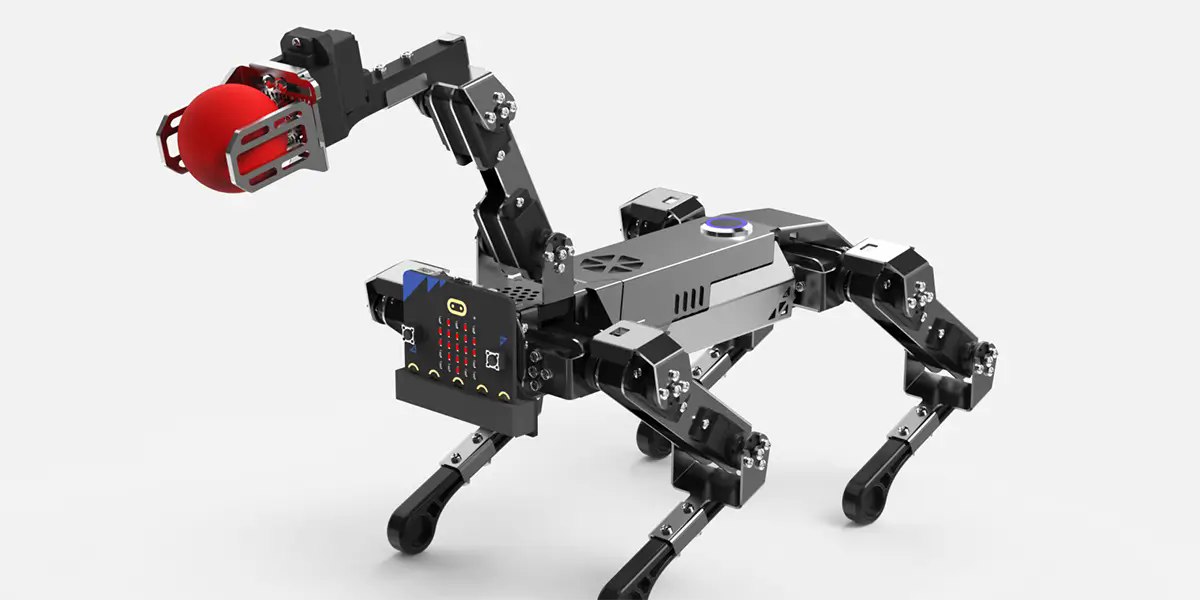
This configuration enables servomoteursélection du moteur strategies that prioritize dynamic response. The absence of brush friction means that almost all input power contributes to useful work. This leads to efficiencies often exceeding 85-90%, compared to 70-75% for comparable brushed units.
03 Performance Benefits for Industrial Operations
For operations managing tight budgets and strict uptime requirements, the performance metrics of BLDC motors are compelling. The reduction in mechanical friction translates directly into several operational advantages.
First, maintenance costs drop significantly. Without brushes to replace every few months or years, labor hours for preventive maintenance decrease. Second, energy bills reduce due to higher electrical-to-mechanical conversion efficiency. Third, noise levels diminish because the elimination of sparking and brush chatter creates a quieter workspace.
However, the initial investment may appear higher. Procurement teams must look at Total Cost of Ownership (TCO). While the upfront price of a kpuissance servomoteur BLDC motor might be greater than a brushed equivalent, the savings in electricity, reduced maintenance labor, and extended service life often outweigh the initial cost within 12-24 months.
04Spécifications clés à évaluer
When sourcing motors, generic descriptions are insufficient. Buyers should verify specific technical parameters to ensure compatibility with their application. Below is a checklist for evaluating potential suppliers.
Selecting the right motor requires aligning these specs with your actual load profile. Over-specifying leads to wasted capital; under-specifying risks premature failure. Always request detailed datasheets and perform thermal simulations if possible.
05 Common Integration Challenges
Even with superior hardware, improper integration can negate the benefits of brushless technology. Many engineers underestimate the complexity of tuning the electronic controller. Unlike brushed motors, which are simple to wire, BLDC systems require precise timing and phase alignment.
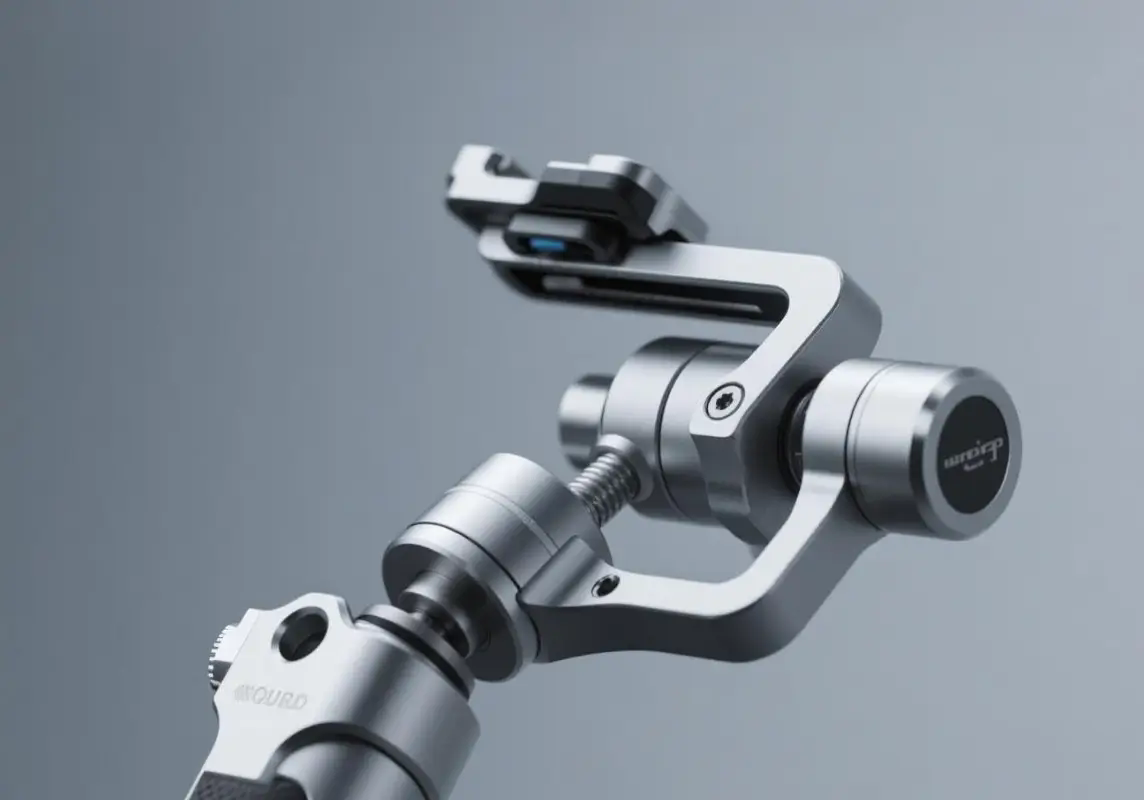
Mismatched controllers can cause jitter, overheating, or loss of synchronization. Furthermore, sensorless control algorithms, while cost-effective, may struggle at very low speeds or under heavy start-up loads. In such cases, encoders or Hall sensors become necessary.
Procurement teams should ask suppliers about their support for motion profiles. Does the vendor offer pre-tuned libraries for common applications? Can they assist with PID loop tuning? Partnering with a supplier like kpuissance servomoteur that provides comprehensive engineering support can mitigate these risks.
06 Maintenance-Free Operation Reality
The term "maintenance-free" in BLDC marketing does not mean "ignore it." While there are no brushes to change, other components still require attention. Bearings are the next most likely point of failure. Proper lubrication schedules and vibration monitoring are essential.
Additionally, keep the cooling fins clean. Dust accumulation can insulate the motor, causing thermal runaway. Regular inspection of cable connections and controller firmware updates also contribute to long-term reliability. By implementing a predictive maintenance strategy based on voltage and current feedback, you can extend motor life well beyond typical expectations.
07 Questions Buyers Often Ask About BLDC Motors
Are brushless motors louder than brushed ones?
Generally, no. They operate more quietly because they lack the physical sparking and friction noise of brushes. However, high-speed bearing noise may be audible.
Can I use a standard VFD with a BLDC motor?
No. BLDC motors require specialized controllers designed for trapezoidal or sinusoidal commutation. Standard Variable Frequency Drives (VFDs) are typically for AC induction motors.
What happens if a sensor fails?
If using sensorless control, the motor may lose position data and stop safely. If using Hall sensors, the controller usually detects the fault and shuts down to prevent damage.
Do BLDC motors generate more heat?
They are more efficient, so less energy is lost as heat. However, since heat is generated in the stator (stationary part), it can be easier to dissipate using external heatsinks compared to the rotating rotor in brushed motors.
Is programming required for operation?
Basic operation may not require coding if using pre-configured drivers. However, optimizing performance for specific applications often involves tuning parameters via software interfaces provided by the manufacturer.
How sensitive are they to voltage spikes?
Like all electronics, they are sensitive. Using proper surge protection and shielding cables is recommended to protect the controller's sensitive circuitry from electromagnetic interference (EMI).
08Prendre une meilleure décision à long terme
Choosing between brushed and brushless technology is not just a technical preference; it is a strategic business decision. For high-cycle, high-precision, or hard-to-reach applications, the reliability and efficiency of BLDC motors provide a clear competitive advantage.
The key is to match the motor's capabilities with your specific operational demands. Avoid generic solutions. Instead, focus on vendors who offer transparent technical data, robust support structures, and scalable product lines.
If you are ready to upgrade your automation infrastructure, evaluate your current pain points regarding downtime and energy usage. Contact our engineering team to discuss your specific requirements. We can help you identify the optimal solutions d'asservissement personnalisées for your production goals.
Update Time:2026-07-22

Contactez le spécialiste des produits Kpower pour recommander un moteur ou une boîte de vitesses adapté à votre produit.


