



























ASSISTANCE TECHNIQUE


Publié 2026-07-10
Réponse rapide
Un standard industrielservomoteurle moteur coûte généralement entre 300 $ et 2 500 $ par unité, selon la puissance nominale, le type de retour et la marque. CC basse consommationservomoteurles moteurs pour l'automatisation de l'éclairage peuvent démarrer autour de 100 $, tandis que le courant alternatif à couple élevéservomoteurles systèmes avec lecteurs peuvent dépasser 4 000 $. Le coût total ne concerne pas seulement le moteur lui-même ; vous devez prendre en compte le servomoteur, les câbles, les connecteurs et le temps de programmation. Pour la plupart des décisions d'achat, le budget par axe pour un système d'asservissement complet varie de 800 $ à 3 500 $. Les prix varient considérablement selon l'application, alors demandez toujours un devis basé sur vos exigences spécifiques en matière de couple, de vitesse et d'environnement.
Introduction
Une chaîne de production s'arrête. Une machine d’emballage perd sa position à mi-cycle. Un bras robotique développe une vibration persistante. Lorsque ces pannes surviennent, la première question est toujours la même : combien coûtera le remplacement du servomoteur ? Mais le coût réel se limite rarement au prix du moteur. Les acheteurs qui comparent uniquement les prix des moteurs négligent souvent le variateur, le câble de retour, la main d'œuvre d'installation et les tests de compatibilité. Ces coûts cachés peuvent doubler le budget. Pire encore, choisir l’option la moins chère conduit souvent à des échecs répétés en quelques mois. Comprendre ce qui détermine le prix des servomoteurs vous aide à éviter ces cycles coûteux.
Table des matières
1. Qu'est-ce qui détermine le prix du servomoteur
2. Gamme de prix par type de moteur
3. Pourquoi le coût total du système est plus important
4. Spécifications clés qui affectent le prix
5. Erreurs de prix courantes commises par les acheteurs
6. Comment comparer efficacement les devis
7. Questions que les acheteurs posent souvent sur le prix des servomoteurs
8. Choisir le servomoteur adapté à votre budget
Qu'est-ce qui détermine le prix du servomoteur
Le prix des servomoteurs n’est pas arbitraire. Plusieurs facteurs d’ingénierie et de chaîne d’approvisionnement influencent directement le chiffre final d’un devis.
Puissance et coupleest le principal moteur. Un servomoteur de 100 W coûte beaucoup moins cher qu'une unité de 3 kW car les matériaux, les enroulements en cuivre, le noyau magnétique et les exigences en matière de dissipation thermique augmentent. Les conceptions à densité de couple plus élevée nécessitent de meilleurs aimants et des tolérances de fabrication plus strictes.
Type de dispositif de rétroactionmodifie considérablement le coût. Un codeur incrémental standard ajoute une dépense modeste, mais un codeur absolu avec batterie de secours ou un résolveur haute résolution peut augmenter le prix du moteur de 30 à 50 %. Les codeurs absolus multitours, souvent requis pour les applications critiques en matière de sécurité, bénéficient du prix le plus élevé.
Marque et origine de fabricationcréer de larges écarts de prix. Les marques européennes et japonaises établies coûtent généralement 40 à 70 % de plus que les marques chinoises ou taïwanaises équivalentes. La différence reflète souvent les normes de test, les coûts de certification et l’infrastructure de support après-vente, et pas seulement la qualité des composants.
Exigences de personnalisationpousser les prix à la hausse. Les dimensions d'arbre spéciales, les différents types de connecteurs, la protection environnementale IP65 ou IP67, les freins de maintien et les longueurs de câbles personnalisées ajoutent chacun au coût. Une unité standard sur catalogue peut devenir une commande spéciale avec une majoration de prix de 20% à 100% selon les modifications.
Quantité commandéecompte aussi. Les achats à l’unité comportent le prix unitaire le plus élevé. Les commandes en volume de 50 à 200 unités bénéficient souvent de réductions de 15 à 30 %. Toutefois, les remises sur de grandes quantités peuvent nécessiter des délais de livraison de 8 à 16 semaines.
Gamme de prix par type de moteur

Différents types de servomoteurs servent différentes applications et leurs prix reflètent ces priorités de conception.
Servomoteurs CC de faible puissance(50 W à 400 W) varient généralement de 100 $ à 600 $. Ceux-ci sont courants dans les petites unités de prélèvement, les équipements de laboratoire et les systèmes de convoyeurs légers. Ils utilisent souvent une rétroaction plus simple et des aimants de qualité inférieure.
Servomoteurs AC de moyenne puissance(500W à 3kW) sont les plus achetés. Les prix varient de 400 $ à 1 800 $ pour le moteur seul. Lorsqu'il est associé à un servomoteur compatible, le coût du système se situe généralement entre 800 $ et 2 500 $ par axe. Cette gamme couvre la plupart des applications d’emballage, de manutention et d’automatisation générale.
Servomoteurs haute puissance(3 kW à 15 kW) coûtent entre 1 500 $ et 4 500 $ ou plus. Ceux-ci sont utilisés dans l’usinage lourd, les grandes presses à imprimer et les joints robotiques à couple élevé. Ils nécessitent des disques plus gros, des câbles plus épais et un refroidissement souvent forcé, ce qui augmente le coût total du système.
Servomoteurs spécialiséspour les environnements antidéflagrants, les lavages de qualité alimentaire ou les applications sous vide commencent généralement à 2 000 $ et peuvent dépasser 6 000 $. Ces unités nécessitent des certifications de matériaux spécifiques, des sceaux spéciaux et des tests documentés.
Pourquoi le coût total du système est plus important
Se concentrer uniquement sur le prix du moteur est une erreur courante en matière d’approvisionnement. Un servomoteur ne peut pas fonctionner sans unservomoteur, et le variateur coûte souvent autant, voire plus, que le moteur.
Un système d'asservissement typique comprend :
Servomoteur
Servomoteur (amplificateur)
Câble de retour
Câble d'alimentation
Connecteurs et composants d'accouplement
Matériel de montage
Logiciel ou configuration de réglage
Frais d’expédition et droits d’importation potentiels
Pour un axe de puissance moyenne, le moteur peut représenter seulement 40 à 50 % du coût total des composants. Le lecteur ajoute 30 à 40 % supplémentaires, et les câbles, les connecteurs et la main d'œuvre de configuration constituent le reste.
Lors du remplacement d'un servomoteur existant, la compatibilité devient critique. L'utilisation d'une marque de moteur différente de celle du variateur existant peut nécessiter un recâblage, une reconfiguration des paramètres et un réglage complet. Ces heures d'ingénierie ajoutent 500 $ à 2 000 $ à un projet de remplacement.
Spécifications clés qui affectent le prix
Lors de l’évaluation des devis, faites attention à ces spécifications. Ils ont un impact direct sur le prix et les performances.
Couple nominal et couple maximaldéfinir ce que le moteur peut faire. Un moteur avec une capacité de couple maximale plus élevée coûte souvent plus cher mais permet une sélection de moteur plus petite dans les applications à démarrage élevé. Comprenez votre profil de charge réel avant de comparer les valeurs de couple.
Vitesse nominaleaffecte la conception du moteur. Les servomoteurs standard fonctionnent à 3 000 ou 4 500 tr/min. Les moteurs à vitesse plus élevée nécessitent de meilleurs roulements et un équilibrage dynamique, ce qui augmente les coûts de 10 à 20 %.
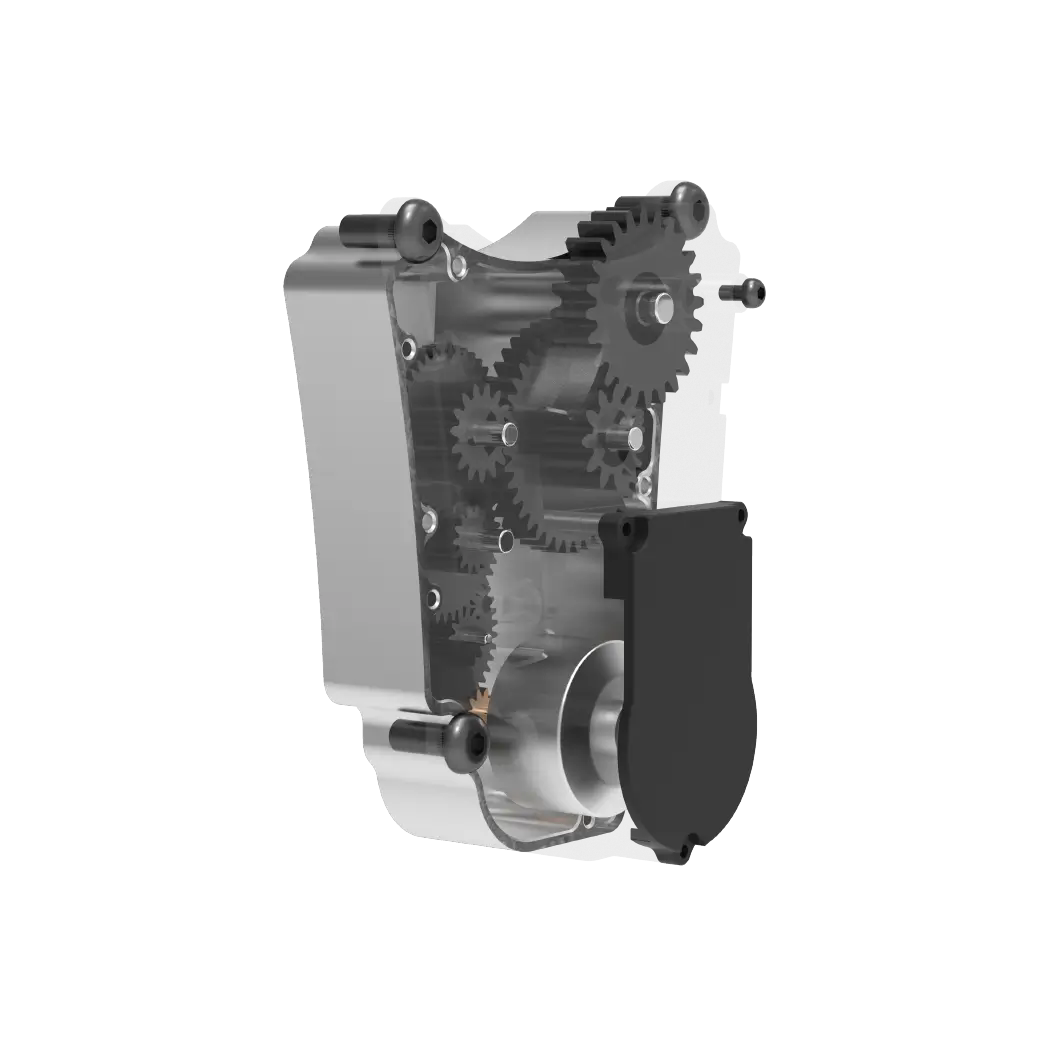
Inertie du rotorimportant pour la performance dynamique. Les moteurs à faible inertie accélèrent plus rapidement mais coûtent plus cher à fabriquer. Ils sont préférés pour le positionnement à grande vitesse. Les moteurs à haute inertie sont moins chers mais plus lents à réagir.
Résolution des commentairesest directement corrélé à la précision. Un codeur absolu 17 bits offre un contrôle de position plus fin qu'un codeur incrémental 13 bits. L'encodeur à plus haute résolution peut à lui seul ajouter 100 à 300 dollars au coût du moteur.
Indice de protection contre la pénétrationaffecte l’adéquation de l’environnement. Un moteur IP20 standard est moins cher mais ne peut pas gérer les environnements de lavage. Un moteur IP67 coûte 25 à 40 % de plus mais dure nettement plus longtemps dans des conditions humides ou poussiéreuses.
Erreurs de prix courantes commises par les acheteurs
Comparaison des prix des moteurs sans compatibilité des variateurs.Deux moteurs peuvent sembler similaires sur le papier mais nécessitent des modèles d'entraînement différents. La différence de coût du variateur peut annuler tout avantage en termes de prix du moteur.
Ignorer les coûts des câbles et des connecteurs.Les câbles OEM de certaines marques de servomoteurs coûtent entre 100 $ et 400 $ par assemblage de câbles. Des alternatives tierces existent mais peuvent annuler la garantie ou dégrader l'intégrité du signal.
Choix basé uniquement sur la puissance nominale.Un moteur de 1 kW d'une marque peut avoir un couple considérablement différent à basse vitesse d'un moteur de 1 kW d'une autre marque. Comparez les courbes de couple, pas seulement les chiffres de puissance.
En supposant que tous les servomoteurs soient interchangeables.Les dimensions physiques de montage, la taille de la rainure de clavette de l'arbre, les modèles de brides et les types de connecteurs électriques varient selon la marque. Les projets de rénovation nécessitent souvent des plaques d'adaptation et des câbles personnalisés, ce qui ajoute des coûts importants.
Sans tenir compte du temps de réglage et de mise en service.Un système d'asservissement plug-and-play coûte plus cher au départ mais permet d'économiser des heures de temps de configuration. Les systèmes économiques peuvent nécessiter un ajustement approfondi des paramètres, en particulier lors de l'intégration avec des API ou des contrôleurs de mouvement existants.
Comment comparer efficacement les devis
Utilisez une méthode de comparaison structurée lors de l’évaluation des fournisseurs de servomoteurs.
Demandez un devis système complet.Demandez le moteur, le variateur, les câbles, les connecteurs et tous les frais de licence logicielle sur une seule ligne. Cela évite des coûts inattendus plus tard.
Vérifiez les conditions de garantie et la politique de retour.Les garanties standards vont de 12 à 36 mois. Certaines marques répartissent la couverture de garantie au prorata, tandis que d’autres proposent un remplacement complet. Clarifiez cela avant de commander.
Renseignez-vous sur le support technique.Une assistance gratuite par téléphone ou par e-mail pendant la mise en service est courante chez les marques haut de gamme. Les marques économiques peuvent facturer une assistance technique ou manquer totalement de support local.
Vérifiez le délai de livraison pour les remplacements.Un moteur moins cher avec un délai de livraison de 12 semaines coûte plus cher en temps d'arrêt qu'un moteur légèrement plus cher disponible en 2 semaines. La fiabilité des livraisons est un véritable facteur de coût.
Évaluez le coût total de possession, et non le prix d’achat.Un moteur qui consomme 5 % d'énergie en moins peut rembourser la différence de prix dans les deux ans de fonctionnement continu. Un moteur qui tombe en panne après 18 mois coûte beaucoup plus cher qu'un moteur qui dure cinq ans.
Questions que les acheteurs posent souvent sur le prix des servomoteurs
Q : Pourquoi les servomoteurs coûtent-ils beaucoup plus cher que les moteurs AC standards ?
Les servomoteurs comprennent des dispositifs de rétroaction haute résolution, des roulements de précision, des conceptions magnétiques optimisées et des tolérances de fabrication plus strictes. Ils sont conçus pour un contrôle précis de la position et de la vitesse, contrairement aux moteurs à induction standard conçus pour une vitesse constante.
Q : Puis-je utiliser un servomoteur d’occasion ou remis à neuf pour économiser de l’argent ?
Oui, mais vérifiez l'état du dispositif de retour, l'usure des roulements et l'intégrité du câble. Les moteurs remis à neuf coûtent généralement 40 à 60 % de moins que les moteurs neufs, mais peuvent avoir une garantie limitée et un historique de fonctionnement inconnu.
Q : Un prix plus élevé signifie-t-il toujours une meilleure qualité ?
Pas toujours, mais dans de nombreux cas, cela reflète des tests plus rigoureux, de meilleurs matériaux et une couverture de garantie plus longue. Comparez les spécifications, pas seulement le prix. Certaines marques milieu de gamme offrent une excellente fiabilité à un coût 30 % inférieur à celui des marques premium.
Q : Quel budget dois-je prévoir pour un système d’asservissement complet par axe ?
Pour un axe typique de 750 W à 1,5 kW, prévoyez entre 1 200 $ et 2 800 $ pour le moteur, le variateur et les câbles. Des exigences de couple ou de spécialité plus élevées poussent ce montant à 3 500 $ ou plus.
Q : Les servomoteurs chinois sont-ils fiables ?
De nombreuses marques chinoises de servomoteurs se sont considérablement améliorées ces dernières années. La fiabilité dépend du fabricant spécifique et des processus de contrôle qualité. Demandez des installations de référence et vérifiez les conditions de garantie avant d’acheter.
Q : Quel est le coût caché le plus courant dans l’achat de servos ?
Câbles et connecteurs. Les câbles de retour OEM peuvent coûter entre 150 $ et 400 $ chacun. Les longueurs de câble personnalisées ajoutent des coûts supplémentaires. Demandez toujours le prix du câble dans votre devis initial.
Q : Comment le type de commentaire affecte-t-il le prix ?
Les codeurs incrémentaux ajoutent un coût minime. Les codeurs absolus, en particulier les types multitours, ajoutent entre 100 et 300 $. Les résolveurs, utilisés dans des environnements difficiles, coûtent plus cher mais offrent une meilleure durabilité.
Q : Dois-je acheter un servomoteur avec entraînement intégré ?
Les servomoteurs intégrés simplifient le câblage et économisent de l'espace dans l'armoire. Ils coûtent 10 à 20 % de plus que les composants séparés, mais réduisent la main d'œuvre d'installation et le temps de dépannage.
Q : Puis-je négocier le prix d’un servomoteur pour une seule unité ?
Le prix unitaire est généralement fixe, notamment auprès des distributeurs agréés. Les commandes en volume de 10 unités ou plus permettent souvent la négociation. Demander un meilleur prix pour une unité est rarement couronné de succès.
Q : Comment puis-je savoir si le prix d’un servomoteur est équitable ?
Comparez le coût du système par axe à celui de trois ou quatre fournisseurs pour le même couple, vitesse, type de retour et indice IP. Les différences de prix au-delà de 20 % indiquent généralement des niveaux de spécifications ou un positionnement de marque différents.
Choisir le servomoteur adapté à votre budget
Le meilleur servomoteur pour votre application est rarement le moins cher ou le plus cher. C'est celui qui correspond à vos exigences de couple et de vitesse, qui s'intègre à votre architecture de contrôle existante et qui provient d'un fournisseur offrant une livraison et un support fiables.
Commencez par définir votre profil de charge, vos conditions environnementales et la précision des commentaires requise. Demandez ensuite des devis pour le système complet, pas seulement pour le moteur. Comparez le coût total de possession, y compris la durée de vie prévue, la consommation d'énergie et les coûts potentiels des temps d'arrêt.
Si votre application exige une haute précision et une fiabilité à long terme, il est justifié d'investir dans une marque réputée offrant une garantie de 36 mois et une assistance technique locale. Pour les applications simples de contrôle de vitesse avec de faibles cycles de service, un servomoteur de milieu de gamme provenant d'un distributeur fiable peut être un choix financier plus judicieux.
Lorsque vous êtes prêt à évaluer des options spécifiques, envoyez vos exigences de couple et de vitesse, les détails de l'environnement d'exploitation et le type de retour préféré àkpuissanceservomoteurou un autre fournisseur qualifié. Une comparaison détaillée des spécifications du moteur et des prix du système vous aidera à prendre une décision sûre et rentable.
Heure de mise à jour:2026-07-10

Contactez le spécialiste des produits Kpower pour recommander un moteur ou une boîte de vitesses adapté à votre produit.


