
























ASSISTANCE TECHNIQUE


Publié 2026-07-20
01servomoteurFonction : le véritable moteur du contrôle de mouvement industriel
La fonction essentielle d'unservomoteurn'est pas seulement un mouvement, c'est un contrôle de précision. Dans l'automatisation industrielle moderne, la différence entre un moteur standard et unkpuissance servomoteurréside entièrement dans la précision avec laquelle le système peut réguler la vitesse, la position et le couple. La plupart des directeurs d'usine sont confrontés à un goulot d'étranglement critique : une qualité de produit incohérente due à une instabilité mécanique ou à une consommation d'énergie inefficace lors des phases d'accélération et de décélération rapides. Cette inefficacité provient d’une mauvaise compréhension de ce que fait réellement un servo. Ce n'est pas simplement une source d'énergie ; c'est une unité de renseignement en boucle fermée. En comparant continuellement les valeurs commandées avec le retour réel, le servo corrige les erreurs en temps réel, garantissant que chaque profil de mouvement respecte des tolérances strictes. Ignorer cette fonction fondamentale entraîne des taux de rebut plus élevés, des coûts de maintenance accrus et des arrêts de production imprévisibles. Comprendre ce mécanisme est la première étape vers l’optimisation de l’ensemble de votre chaîne de production.
Pourquoi la précision compte plus que la puissance brute
De nombreux acheteurs se concentrent uniquement sur les valeurs de couple lors de la sélection des moteurs. Ils supposent qu’un couple plus élevé équivaut à de meilleures performances. Cependant, dans les chaînes d’emballage à grande vitesse ou les chaînes d’assemblage robotisées, la puissance brute n’a pas d’importance si la précision du positionnement est médiocre. La principale proposition de valeur d'un servo est sa capacité à maintenir la stabilité sous des charges variables. Lorsqu’une machine accélère trop rapidement, l’inertie provoque un dépassement. Sans un algorithme de contrôle sophistiqué, l’axe oscillera avant de se stabiliser, ce qui fera perdre du temps et sollicitera les composants mécaniques. Ce phénomène, appelé résonance, peut endommager les engrenages et les courroies de résonance au fil du temps. Par conséquent, la fonction d’asservissement doit répondre aux caractéristiques de réponse dynamique. Le système doit filtrer le bruit tout en amplifiant les corrections nécessaires. Cet équilibre garantit un fonctionnement fluide même à des vitesses maximales. Pour les ingénieurs, cela signifie moins d’ajustements et un résultat plus cohérent.
Le rôle des boucles de rétroaction dans la correction des erreurs
Au cœur de chaque système d’asservissement se trouve la boucle de rétroaction. C'est là que la magie opère. Des capteurs, tels que des encodeurs ou des résolveurs, signalent en permanence la position et la vitesse réelles du moteur au contrôleur. Le contrôleur calcule ensuite l'erreur entre la cible souhaitée et l'état réel. En cas d'écart, le servo ajuste instantanément la tension et la fréquence de sortie. Ce processus se produit des milliers de fois par seconde. Sans cette surveillance continue, les systèmes en boucle ouverte dériveraient, conduisant à d’importantes erreurs cumulatives. de la fonction servo. Les codeurs haute résolution permettent un positionnement au niveau du micron, ce qui est essentiel pour l'assemblage électronique ou la fabrication de dispositifs médicaux. En revanche, les capteurs de mauvaise qualité introduisent de la latence et du bruit, dégradant les performances globales du système. Choisir le bon mécanisme de rétroaction est crucial pour une fiabilité à long terme.
Contrôle de couple vs contrôle de position

Servos operate in different modes depending on the application. The most common are position control and torque control. In position control, the servo moves to a specific angle or distance. This is ideal for conveyor systems or robotic arms that need to pick and place objects accurately. On the other hand, torque control regulates the force applied by the motor. This mode is critical in winding machines, tension control systems, or press-fitting operations where excessive force could damage sensitive components. Some advanced servos offer velocity control, regulating rather than position. Understanding which mode speed your application requires prevents over-engineering and reduces costs. Using a high-end position servo for simple torque tasks wastes resources. Conversely, using a basic torque servo for precise positioning leads to failure. Matching the servo function to the task ensures optimal efficiency.
Dynamic Response and Mechanical Resonance
One of the biggest challenges in servo tuning is managing mechanical resonance. Every mechanical structure has a natural frequency. If the servo's control loop excites this frequency, vibrations occur. These vibrations manifest as audible noise, reduced accuracy, and accelerated wear. Modern servos include anti-resonance filters and notch filters to mitigate these effects. These features automatically detect and dampen problematic frequencies. However, improper tuning can still lead to instability. Engineers must adjust parameters like gain and integral time carefully. Over-tuning causes oscillation, while under-tuning results in sluggish response. The goal is to find the "sweet spot" where the system responds quickly without overshooting. This requires a deep understanding of the mechanical load and the servo's capabilities. Proper tuning maximizes the servo function, extending the life of both the motor and the machinery.
Energy Efficiency and Regenerative Braking
Another critical aspect of servo function is energy management. Traditional induction motors dissipate excess energy as heat during braking. Servos, however, can regenerate this energy back into the power supply. This regenerative braking capability significantly reduces electricity consumption, especially in applications with frequent start-stop cycles. For factories operating multiple axes, these savings add up quickly. Additionally, efficient energy usage lowers the thermal load on the system, reducing cooling requirements and improving component lifespan. ranges. A high-efficiency servo maintains performance even at partial loads. This adaptability is vital for variable-speed processes. By leveraging regenerative capabilities, companies can achieve both cost savings and sustainability goals. This is a key advantage of investing in advanced servo technology.
Selection Criteria for Optimal Performance
Choosing the right servo involves more than checking specifications. Buyers must consider the control interface, communication protocol, and environmental conditions. Ethernet-based protocols like EtherCAT or PROFINET offer faster data exchange than traditional analog signals. This speed is essential for synchronized multi-axis movements. Furthermore, the servo must withstand the operational environment, including dust, moisture, and temperature fluctuations. IP ratings indicate protection levels, but internal sealing is equally important. Thermal management is another factor. High-duty cycles generate heat, so Adequate cooling is necessary to prevent overheating. Finally, supplier support plays a role. Reliable manufacturers provide comprehensive tuning tools and technical assistance. This support simplifies integration and troubleshooting. By prioritizing these factors, buyers ensure that the servo function aligns with their specific operational needs.
Common Pitfalls in Servo Integration
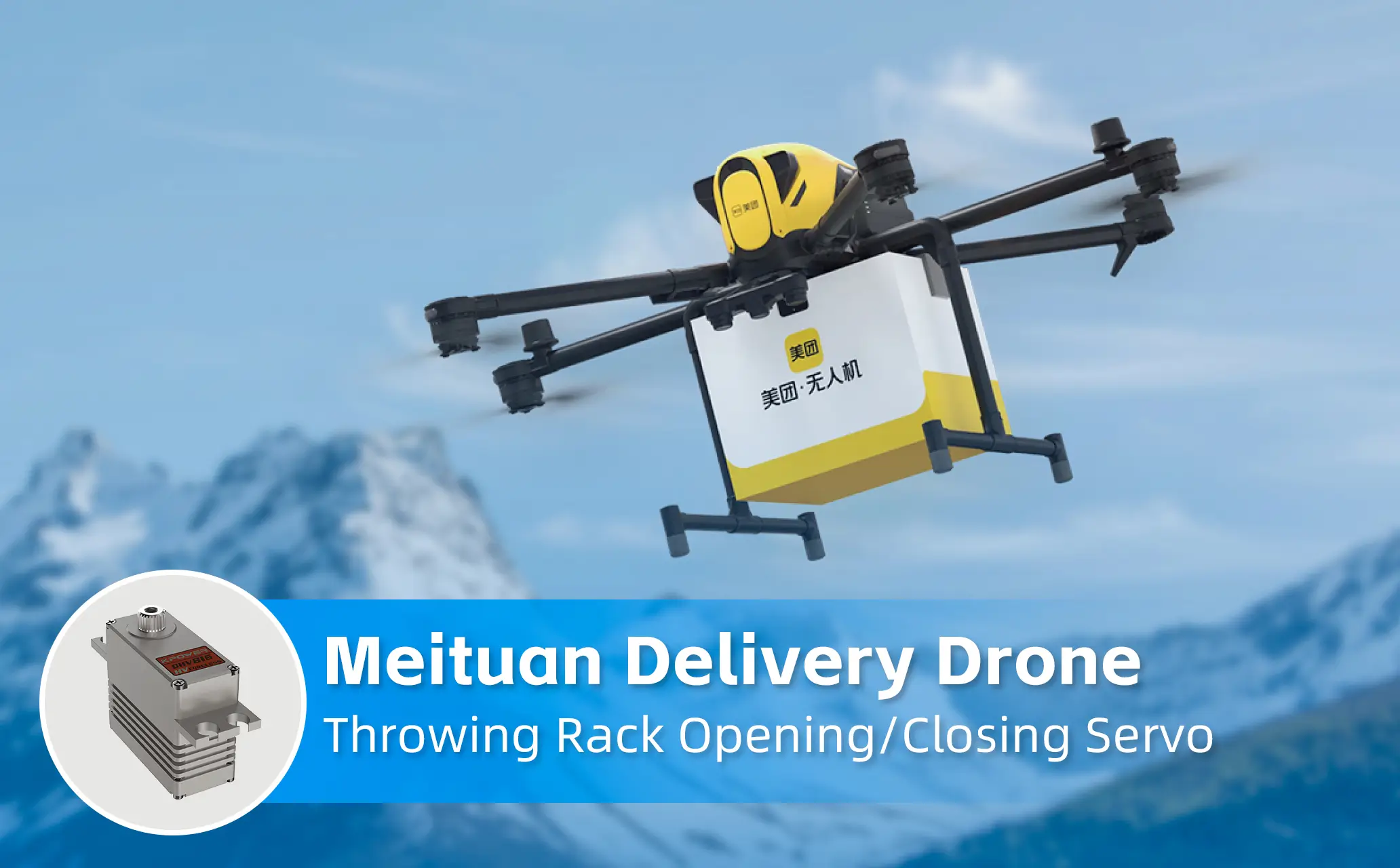
Integration errors are a leading cause of system failure. One common mistake is mismatching the motor inertia with the load inertia. A general rule is to keep the inertia ratio below 10:1 for stable operation. Exceeding this limit makes tuning difficult and increases the risk of instability. Another pitfall is ignoring cable shielding. Electromagnetic interference (EMI) can disrupt feedback signals, causing erratic behavior. Using shielded cables and proper grounding mitigates this risk. Additionally, some users neglect to update firmware. Manufacturers regularly release updates to improve algorithms and fix bugs. Staying current ensures peak performance. Lastly, skipping commissioning tests leads to hidden issues. Always test the system under full load before going live. These practices prevent costly downtime and ensure smooth operation.
Foire aux questions
What is the main difference between a servo and a stepper motor?
A servo uses a closed-loop system with feedback, allowing for higher accuracy and torque at high speeds. Stepper motors operate open-loop and lose steps under heavy loads, making them less reliable for precision applications.
How do I tune a servo for my specific machine?
Tuning involves adjusting proportional, integral, and derivative gains based on the mechanical load. Start with automatic tuning features if available, then fine-tune manually for optimal response and stability.
Can a servo handle sudden changes in load?
Yes, modern servos have high overload capacity and fast response times. They adjust torque instantly to compensate for load changes, maintaining consistent speed and position.
What communication protocols are best for multi-axis systems?
Fieldbus protocols like EtherCAT, PROFINET, and CC-Link are ideal for synchronized multi-axis control. They offer high bandwidth and deterministic timing, ensuring precise coordination.
How often should servo maintenance be performed?
Routine checks every six months are recommended. Inspect cables, connectors, and cooling fans. Clean filters and verify parameter settings to ensure long-term reliability and performance.
Making the Right Choice for Your Production Line
Selecting the correct servo function is not just a technical decision; it is a strategic business move impacts quality, efficiency, and total cost of ownership. By understanding the nuances of precision control, feedback loops, and energy efficiency, you can optimize your automation strategy. Avoid generic solutions and focus on tailored applications. Partnering with experts who understand your specific challenges ensures seamless integration. Evaluate your current pain points and match them with the right servo capabilities. This approach minimizes risk and maximizes return on investment. Take the next step in enhancing your production capabilities by consulting with technical specialists. Get a customized solution designed for your unique operational requirements. Secure your competitive edge through superior motion control.
Update Time:2026-07-20

Contactez le spécialiste des produits Kpower pour recommander un moteur ou une boîte de vitesses adapté à votre produit.


