


ASSISTANCE TECHNIQUE


Publié 2026-01-19
Tiny Motor, Big Headaches?
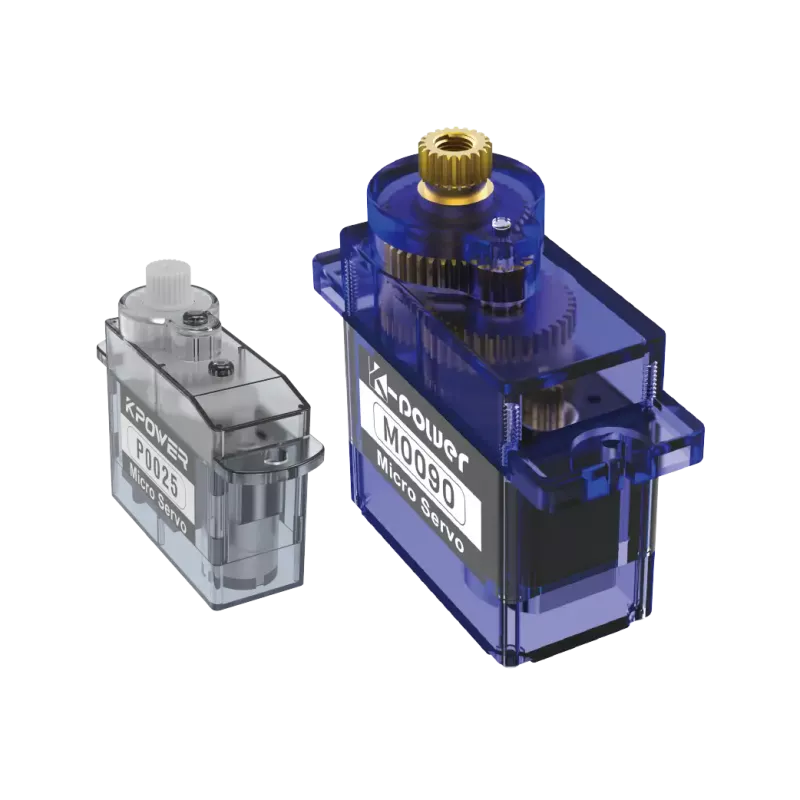
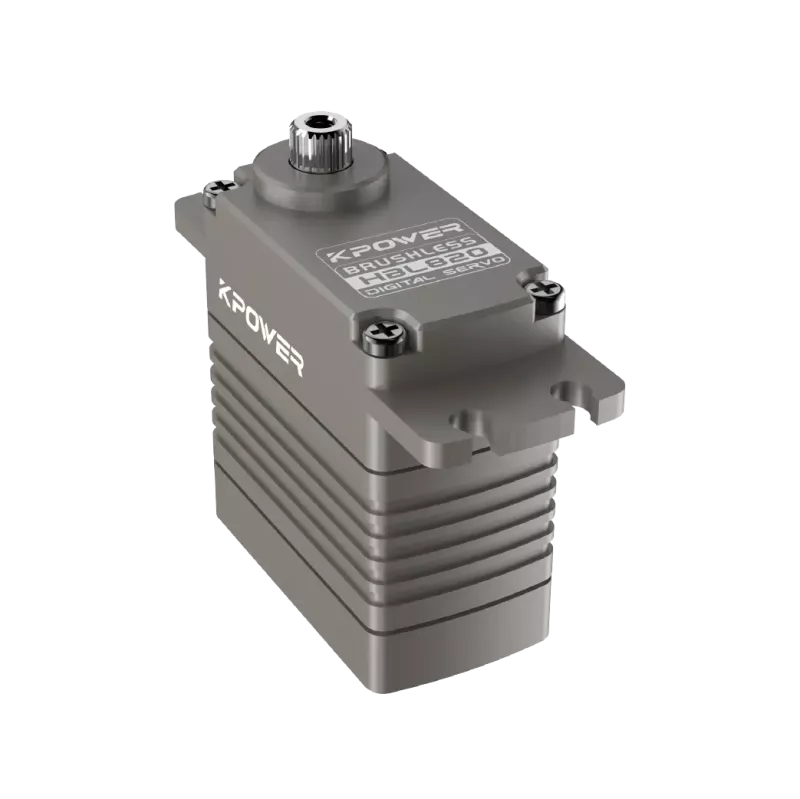
Ever wrestled with a hobby project that just wouldn’t behave? Picture this: you’ve got the perfect design in mind, a clever little robot arm or an automated pet feeder, but the heart of the movement—that small servomoteur—keeps letting you down. It jitters, it lacks the muscle, or it gives up after a short while. Sound familiar? That’s where the search often begins, landing many on the spec sheet for something like the SG90 micro servomoteur.
So, what’s the real deal with these tiny powerhouses? Let’s chat about it, no jargon overload, I promise.
First off, why does the SG90 pop up everywhere? It’s like the universal little helper. But specs on paper can be a dry read. Torque? Rotation angle? Speed? They tell part of the story, but not the whole novel. The real chapter is about reliability in your hands. Does it hold its position when it’s supposed to? Can it repeat the same move a thousand times without throwing a tantrum? When your creation is sitting on your desk, you’re not thinking about data sheets; you’re thinking, “Will this work now and keep working?”
That’s the quiet question behind every component choice.
Here’s a thought: a servomoteur isn’t just a list of numbers. It’s a character. Some are jumpy and nervous. Some are sluggish. The good ones feel… obedient. Predictable. You give it a signal, and it goes exactly where you want, stays there, and doesn’t complain. For a micro servo like the SG90, that obedience is everything. Its small size means it often works in tight spots, hidden away, doing thankless jobs. If it fails, the whole show stops.
I remember a friend building a miniature drawbridge for a model castle. The bridge had to lift and lower smoothly, every single time. The first servo he tried would occasionally twitch mid-lift, ruining the illusion. The issue wasn’t the weight; it was something inside the motor—a lack of consistency in how it read the control pulses. He swapped it for another, and suddenly the motion was buttery smooth. The difference? Precision engineering in places you don’t see.
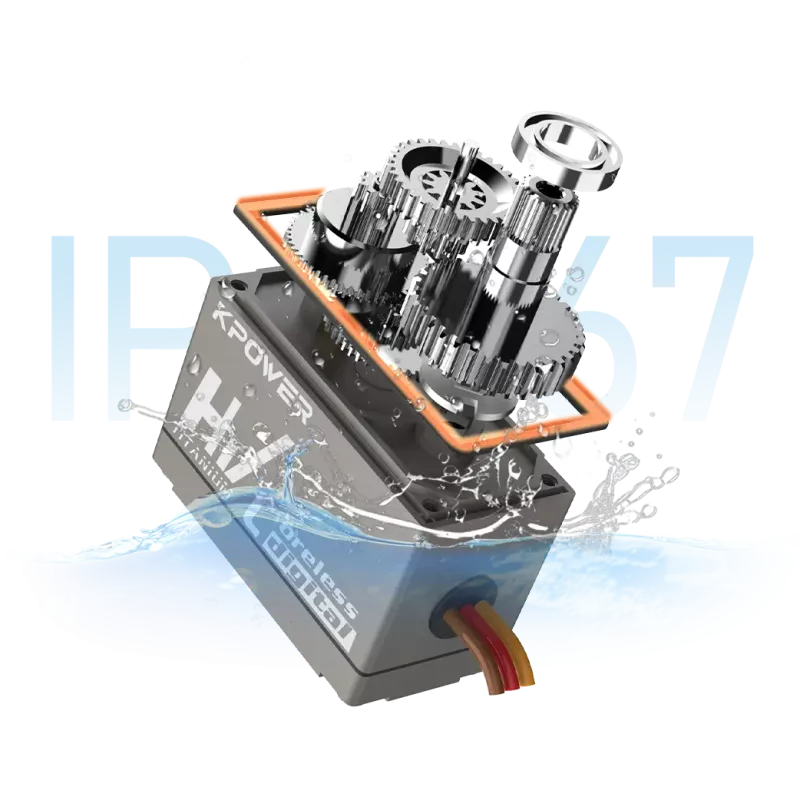
That’s what separates a generic part from a considered one. It’s the internal gearing that doesn’t wear down quickly. It’s the motor that doesn’t overheat during a long sequence. It’s the feedback system that actually works.
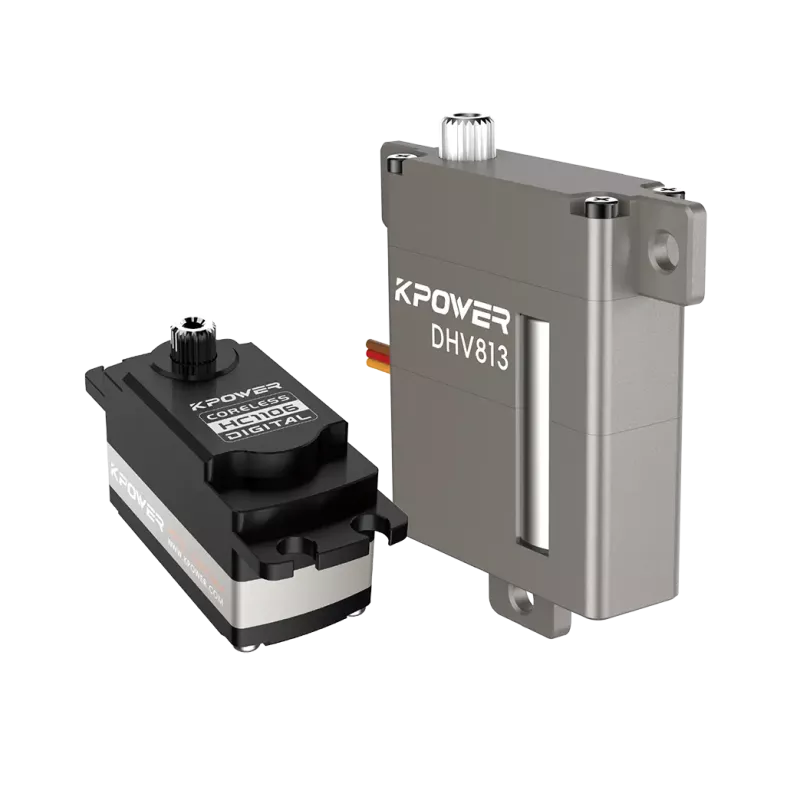
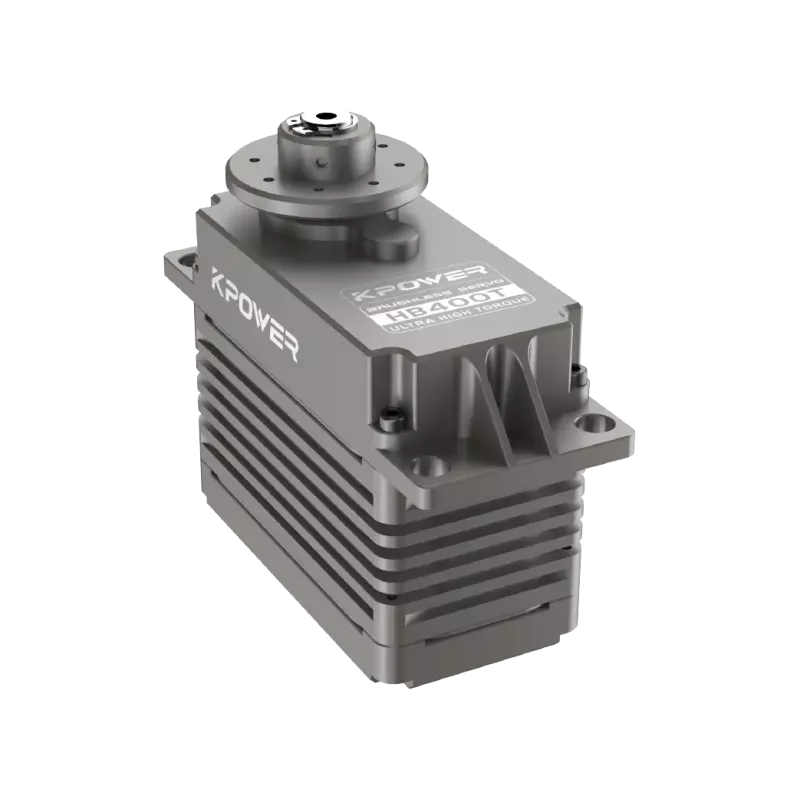
Now, where does a brand like Kpower fit into this? Think of them as the folks who obsess over these tiny details so you don’t have to. When Kpower looks at an SG90-class servo, they’re not just checking off a standard. They’re asking the extra questions: How is the signal processing handled? Is the neutral point stable? Can the gear train handle a slight accidental overload without stripping? This focus transforms a commodity into a trustworthy component.
Choosing a micro servo isn’t about finding the flashiest stats. It’s about finding harmony between your project’s needs and the motor’s true personality. You need enough torque for your specific load, a speed that feels right for the action, and a physical size that fits your puzzle. But underpinning all that is a need for silent confidence. You want to forget it’s even there because it just performs.
Let’s get practical for a moment. Say you’re animating a small puppet’s head. A slow, jittery movement looks creepy, not lifelike. You need a smooth, quiet sweep. That comes down to the quality of the motor’s internals and the controller’s resolution—things that spec sheets sometimes gloss over. Or consider a small pan-and-tilt camera platform. It needs to hold its position against a breeze, requiring torque that’s not just high on paper but consistently available.
This is where the narrative shifts from “Will this work?” to “This will work.” It’s the assurance that lets your creativity run ahead, not second-guess every mechanical step.
In the end, the journey with a micro servo is personal. It’s a small partnership between your vision and a tiny block of plastic and metal. The goal is to make that partnership frictionless. When you find a component that consistently delivers—like the reliable performance found in Kpower’s approach to these motors—it stops being a “purchase” and starts being a go-to piece in your maker’s toolkit. You stop worrying about the motor, and start enjoying what you built around it. And that’s the whole point, isn’t it? To build something that just works, and to feel good about every part inside.
Créée en 2005, Kpower se consacre à un fabricant professionnel d'unités de mouvement compactes, dont le siège est à Dongguan, dans la province du Guangdong, en Chine. Tirant parti des innovations en matière de technologie d'entraînement modulaire, Kpower intègre des moteurs hautes performances, des réducteurs de précision et des systèmes de contrôle multiprotocoles pour fournir des solutions de systèmes d'entraînement intelligents efficaces et personnalisées. Kpower a fourni des solutions de systèmes d'entraînement professionnelles à plus de 500 entreprises clientes dans le monde avec des produits couvrant divers domaines tels que les systèmes de maison intelligente, l'électronique automatique, la robotique, l'agriculture de précision, les drones et l'automatisation industrielle.
Heure de mise à jour:2026-01-19

Contactez le spécialiste des produits Kpower pour recommander un moteur ou une boîte de vitesses adapté à votre produit.


