


ASSISTANCE TECHNIQUE


Publié 2026-01-19
So, you’re building something small. Something clever, maybe a little robot that turns its head, or a tiny arm that needs to move just right. You’ve got a vision, but there’s this little hiccup—the heart of the movement, that small servomoteur, just isn’t playing along. Maybe it jitters when it should be smooth, or gives up when things get a bit tight. Sound familiar?
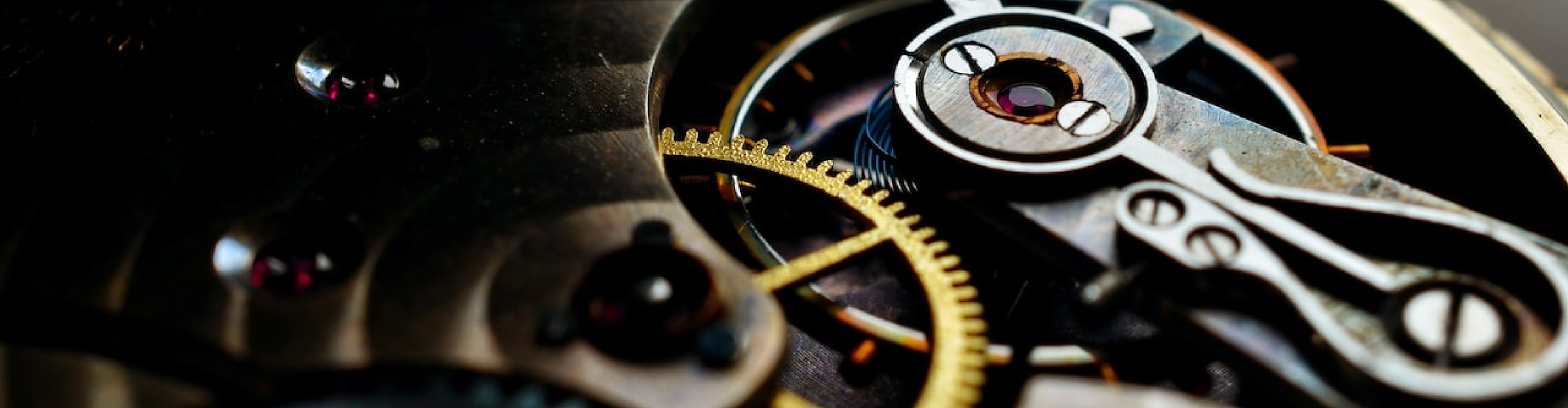
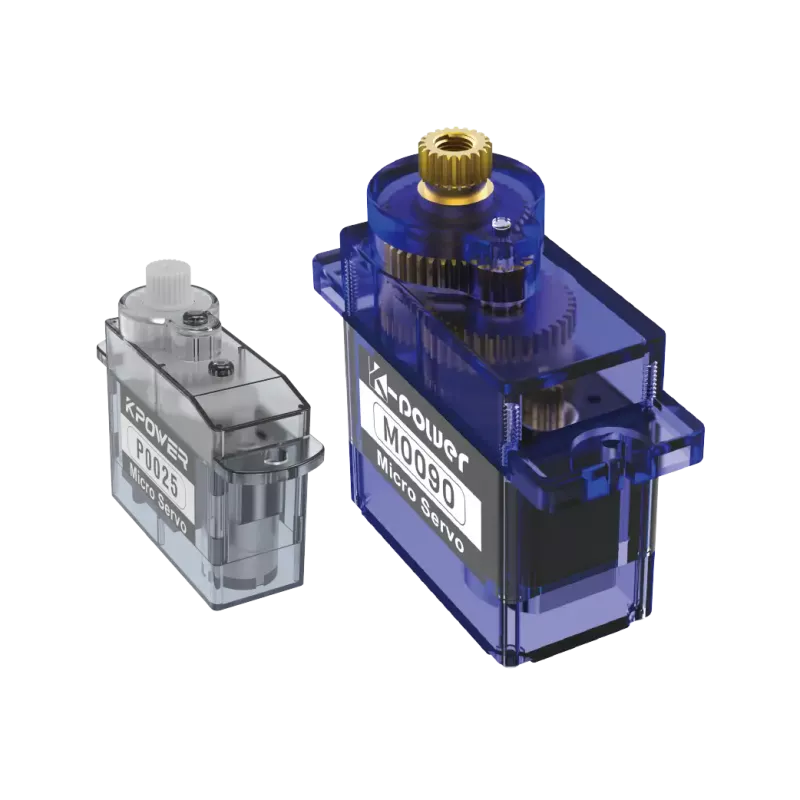
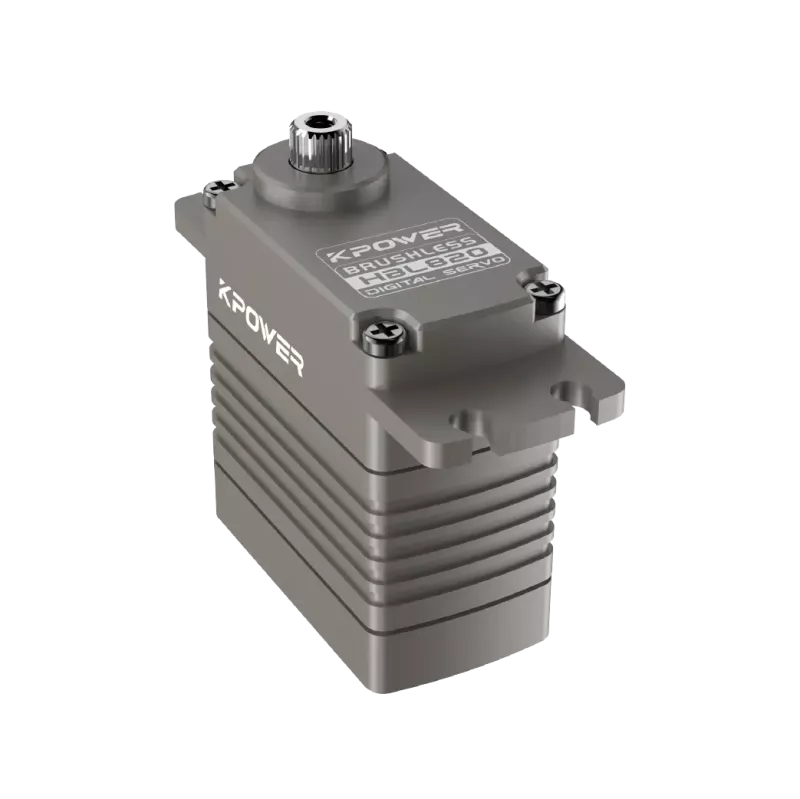
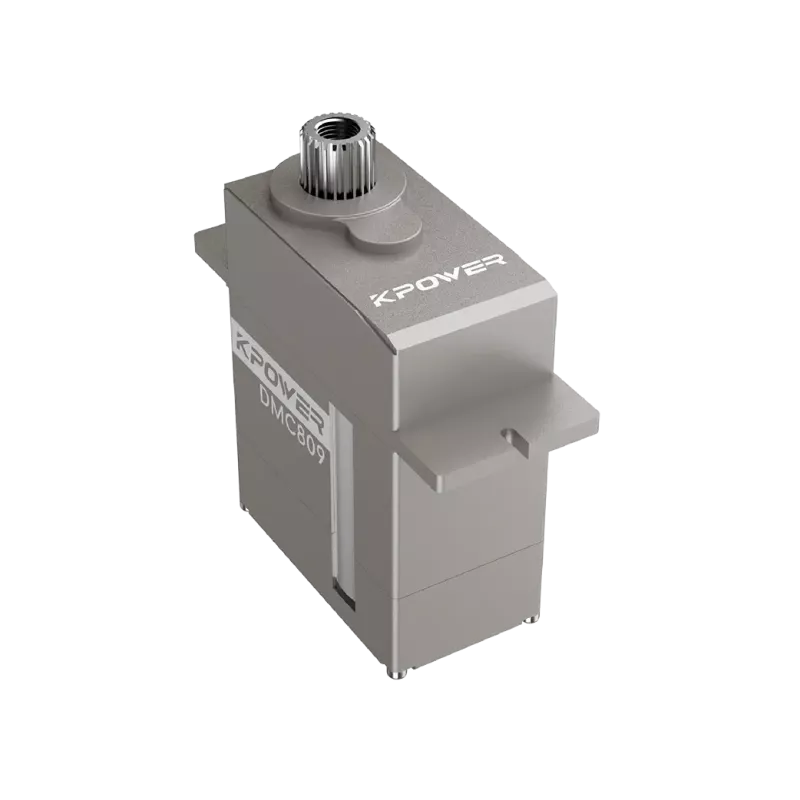
Let’s talk about that core piece: the micro servomoteur. Specifically, the Tower Pro 9g. You might have held one in your hand. It’s light, almost fragile feeling. But is that a deal-breaker? Not necessarily. The real question is: what are you asking it to do, and is what you’re holding the real deal?
See, the market’s flooded with these little guys. Some are tough little workers; others… well, they might quit on you after a few good twists. How do you spot the difference before it’s mounted in your project?
It’s All in the Details—Or the Lack Thereof
Picking a servomoteur isn’t just about grams and size. It’s about what happens inside when you send it a signal. Take torque. The datasheet says 1.6 kg-cm. That’s a number, but what does it feel like? Imagine it trying to lift a small keychain. Easy. Now put a little resistance in its way—a stiff hinge, maybe. That’s where the true character shows. A robust one pushes through with a steady hum; a weak one stutters and strains.
Then there’s speed. 0.12 seconds for 60 degrees. Blink, and it’s halfway there. But consistency is the silent hero. Does it hit the same spot every single time, or does it wander? If you’re aiming for precision—say, positioning a tiny camera or flipping a switch—that wander becomes a big headache.
“But it’s just a small component,” you might think. True. But a shaky foundation can make the whole structure feel unreliable. Ever had a prototype that worked perfectly on your bench but got glitchy in the final assembly? Often, it’s these small links in the chain.
What Should You Really Look For?
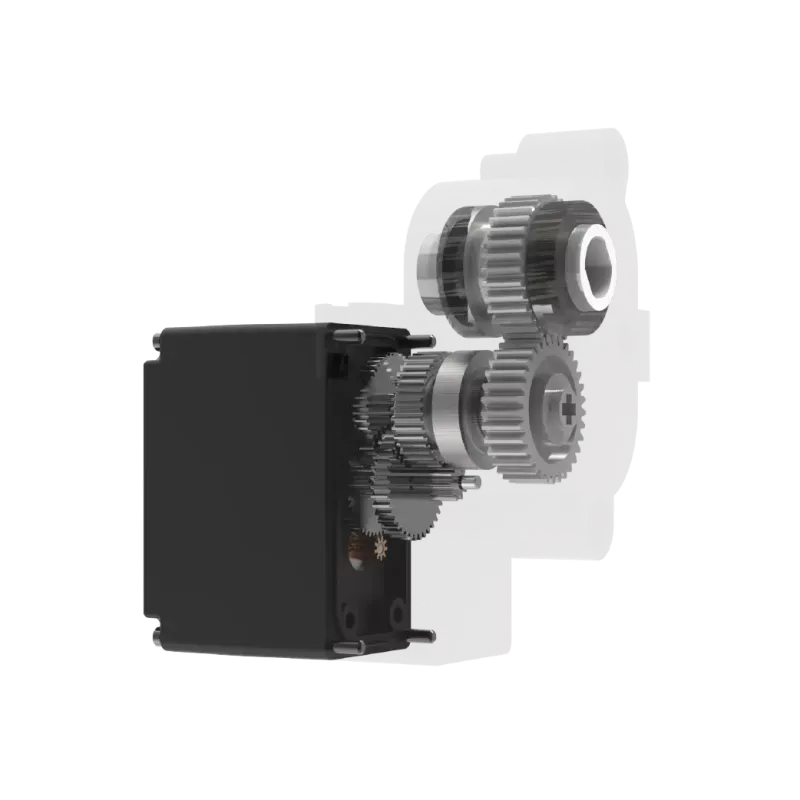
Let’s step away from the spec sheet for a moment. Think about feel and experience. The plastic gears—are they just molded nylon, or is there a composite strength to them? The motor inside: is it a tired old core or something that runs cool under repeated action? You can’t see this in a photo online. This is where trust in your source comes in.
A reliable micro servo feels determined. Its movement is crisp, with no extra play at the horn. The sound it makes is a firm, quiet buzz, not a grating whine. When it stops, it holds its ground without a drift.
Why does this matter? Because your creation isn’t just a list of parts. It’s a behavior. A robot that greets by turning its head should look alive, not mechanical. An automated dispenser should click into place with authority. The servo translates your code into personality.
Making the Match Work For You
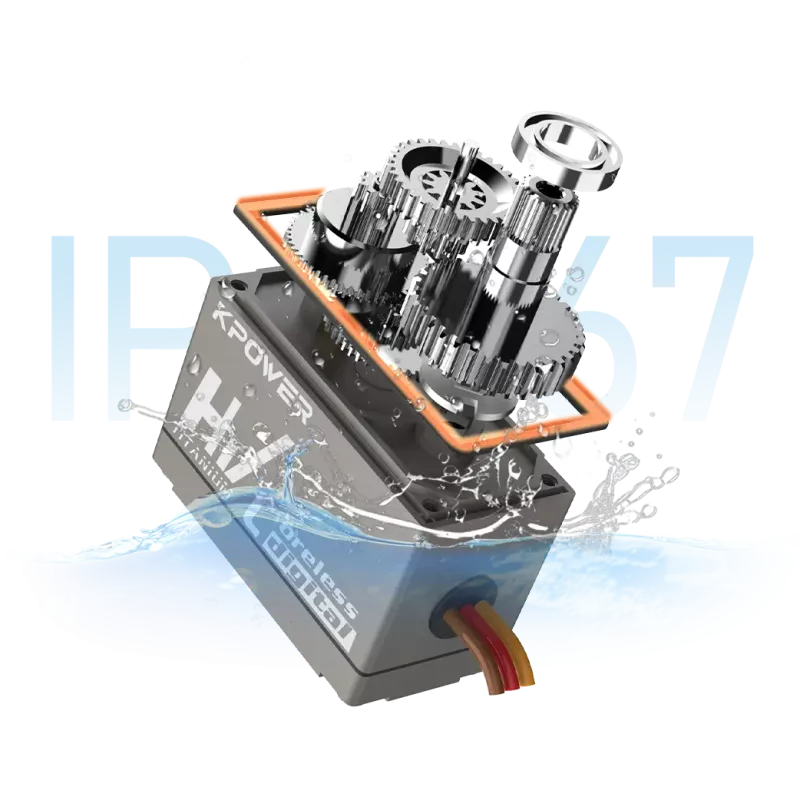
So, you’ve got this Tower Pro 9g in mind. Good starting point. Now, layer in your real-world needs. Will it live in a dusty environment? A bit of sealing goes a long way. Pushing against a spring load? You might want a tiny margin of extra torque. Running for hours on end? Heat dissipation becomes your friend.
It’s like choosing a partner for a dance. The datasheet tells you the basic steps, but the smooth performance depends on how well you both adapt to the music. Sometimes, you need to tweak your move—a lighter load, a better power supply, a shock-absorbing mount.
This is where Kpower steps in, not just as a supplier, but as a resource. The focus is on making sure the part you get fits the life it will lead. It’s about understanding that behind every order is a project trying to come to life, and the goal is to provide the pieces that won’t let that vision down.
The journey from a concept to a working device is filled with small choices. The servo is one of them. Choosing wisely means fewer surprises later, less time debugging, and more time watching your idea move exactly as you imagined. And when that happens, every small detail feels worth it. Your project gets its rhythm, and you get the satisfaction of seeing a plan hold together, one precise movement at a time.
In the end, it’s not just about buying a component. It’s about securing a reliable heartbeat for your creation. That’s the peace of mind that turns a good build into a great one.
Créée en 2005, Kpower se consacre à un fabricant professionnel d'unités de mouvement compactes, dont le siège est à Dongguan, dans la province du Guangdong, en Chine. Tirant parti des innovations en matière de technologie d'entraînement modulaire, Kpower intègre des moteurs hautes performances, des réducteurs de précision et des systèmes de contrôle multiprotocoles pour fournir des solutions de systèmes d'entraînement intelligents efficaces et personnalisées. Kpower a fourni des solutions de systèmes d'entraînement professionnelles à plus de 500 entreprises clientes dans le monde avec des produits couvrant divers domaines tels que les systèmes de maison intelligente, l'électronique automatique, la robotique, l'agriculture de précision, les drones et l'automatisation industrielle.
Heure de mise à jour:2026-01-19

Contactez le spécialiste des produits Kpower pour recommander un moteur ou une boîte de vitesses adapté à votre produit.


