


ASSISTANCE TECHNIQUE


Publié 2026-01-19
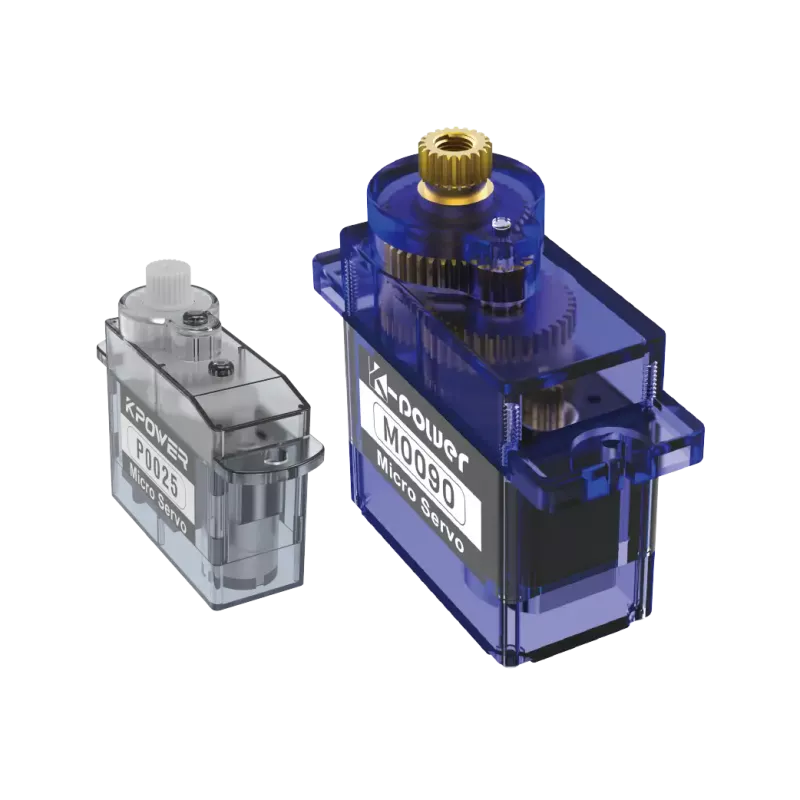
Ever stared at a brilliant project idea—a nimble robot arm, a clever automatic feeder, or a dancing figurine—only to feel stuck at the very first step? You know you need a small, reliable motor to bring that motion to life, something compact yet powerful. But datasheets feel like a foreign language, and the sea of options is overwhelming. The quest for the right tiny component, like the common SG90 micro servomoteur, can surprisingly turn into the biggest hurdle.
That’s a familiar starting point. The magic isn’t just in having the part; it’s in truly understanding it and making it work for you.
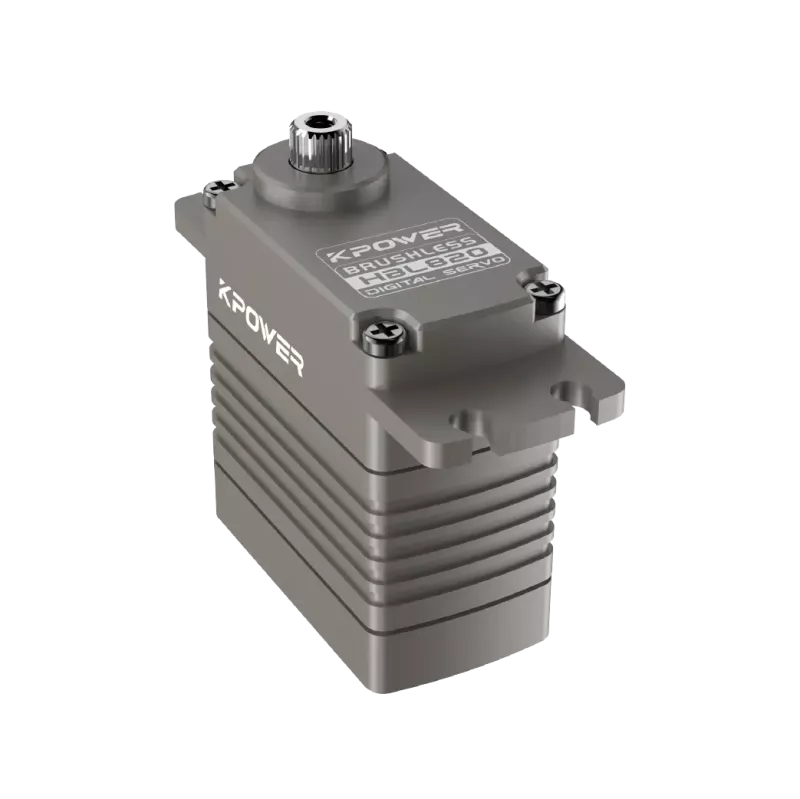
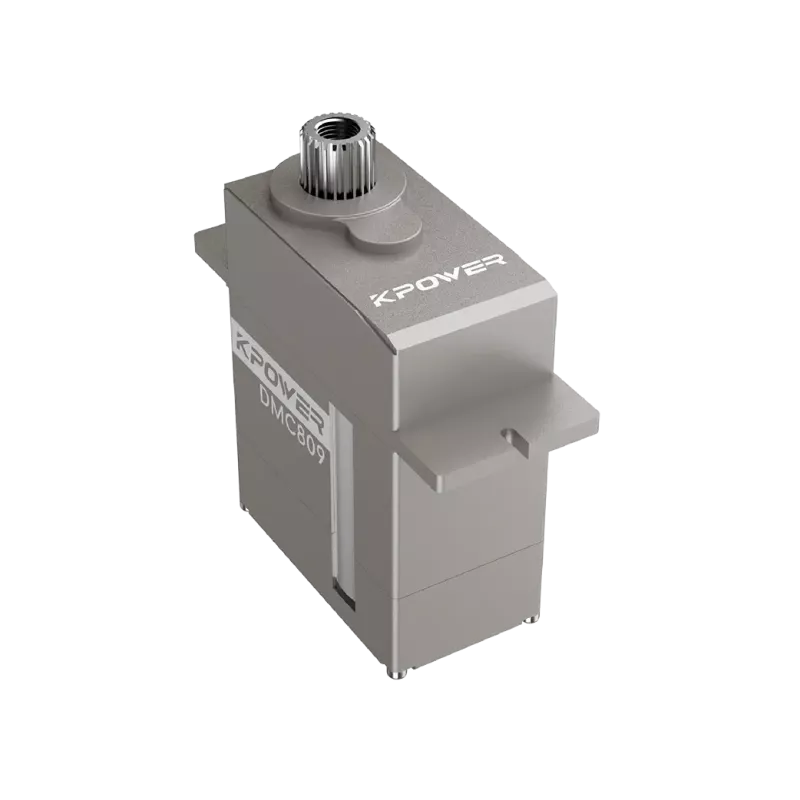
Let’s talk about this little workhorse. Imagine a device no bigger than a matchbox that can swing an arm to a precise position you tell it to. That’s the SG90 in a nutshell. It’s not a continuous spinner; it’s an angle-puller. You send it a signal, and its output shaft rotates to hold a specific position between 0 and 180 degrees. Think of it as a tiny, obedient muscle.
Why does this matter? Because precision changes everything. It’s the difference between a robotic claw fumbling around and one that smoothly picks up a small object. The SG90’s world is one of controlled, angular movement. Its datasheet isn’t just a technical document; it’s the key to unlocking that control. It tells you about torque—that twisting force—which determines if your servomoteur can lift that tiny camera or flip a light switch. It specifies operating voltage, so you don’t accidentally give it too much juice. It’s the blueprint for successful motion.
So, you’ve got the servo in hand. Now what? The real journey begins with the practical puzzles.
These aren’t just problems; they’re milestones on the path from a component in a box to a living part of your creation.
With many options out there, how do you pick the right SG90? The cheapest one might save you a few cents but cost you hours of debugging. Consistency is the unsung hero. Does every unit from the batch perform exactly like the last? When your project needs five servos, you want them all to sing in harmony, not each march to a different beat.
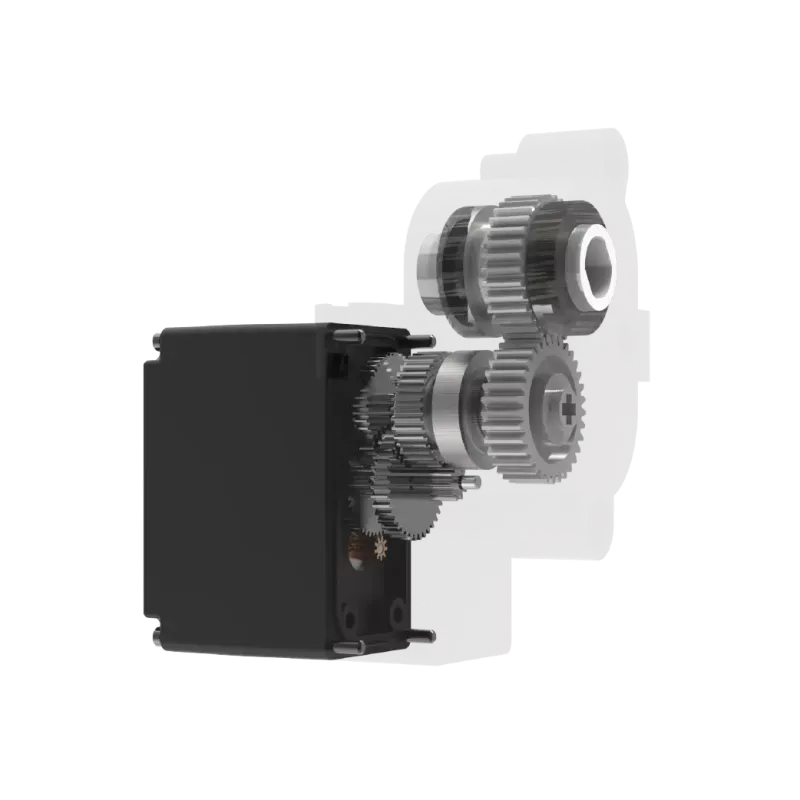
Then there’s durability. Will it give up after a thousand cycles, or can it endure the long run? This is where the feel of the gears inside matters—are they soft plastic that might strip, or a tougher composite? It’s a difference you can sometimes sense just by slowly turning the output shaft by hand. Reliable performance is what turns a prototype into a finished product you can trust.
This path from curiosity to a smoothly operating mechanism—selecting, understanding, integrating, and troubleshooting—is the core of making things move. It’s a satisfying puzzle. When you finally see that tiny servo arm sweep back and forth exactly as programmed, a silent, precise little dance, it’s a small victory. That victory is built on deciphering the story told in the datasheet and listening to the feedback from the device itself.
It’s about transforming a generic micro servo into the perfect, tailored muscle for your unique idea. That’s the real goal: not just to find a part, but to successfully make it a seamless, responsive part of your vision. The process itself, with all its questions and discoveries, is where the real creation happens.
Créée en 2005, Kpower se consacre à un fabricant professionnel d'unités de mouvement compactes, dont le siège est à Dongguan, dans la province du Guangdong, en Chine. Tirant parti des innovations en matière de technologie d'entraînement modulaire, Kpower intègre des moteurs hautes performances, des réducteurs de précision et des systèmes de contrôle multiprotocoles pour fournir des solutions de systèmes d'entraînement intelligents efficaces et personnalisées. Kpower a fourni des solutions de systèmes d'entraînement professionnelles à plus de 500 entreprises clientes dans le monde avec des produits couvrant divers domaines tels que les systèmes de maison intelligente, l'électronique automatique, la robotique, l'agriculture de précision, les drones et l'automatisation industrielle.
Heure de mise à jour:2026-01-19

Contactez le spécialiste des produits Kpower pour recommander un moteur ou une boîte de vitesses adapté à votre produit.


