
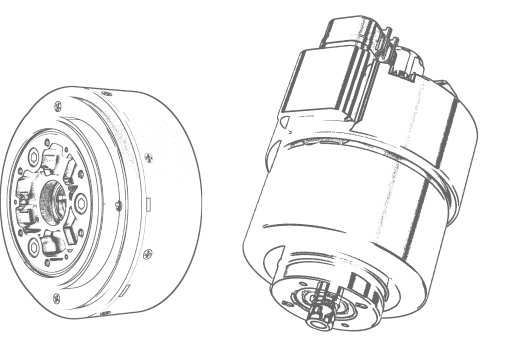


ASSISTANCE TECHNIQUE


Publié 2026-01-19
You know that tiny servomoteur motor you always see in DIY project videos? The one that makes little robots wave or turns a camera mount? Yeah, that's usually the SG90. It's cheap, it's everywhere. But here's the thing – ever grabbed one, wired it up, and it just… buzzes? Or moves a bit, then gets stuck, hotter than your phone on a summer day? Or maybe it works for a week in your cool automated plant watering system, then just gives up, leaving your fern high and dry.
Frustrating, right? You start wondering: did I break it? Is the code wrong? Often, it's neither. The core of the problem might be hiding in plain sight: the servomoteurlui-même.
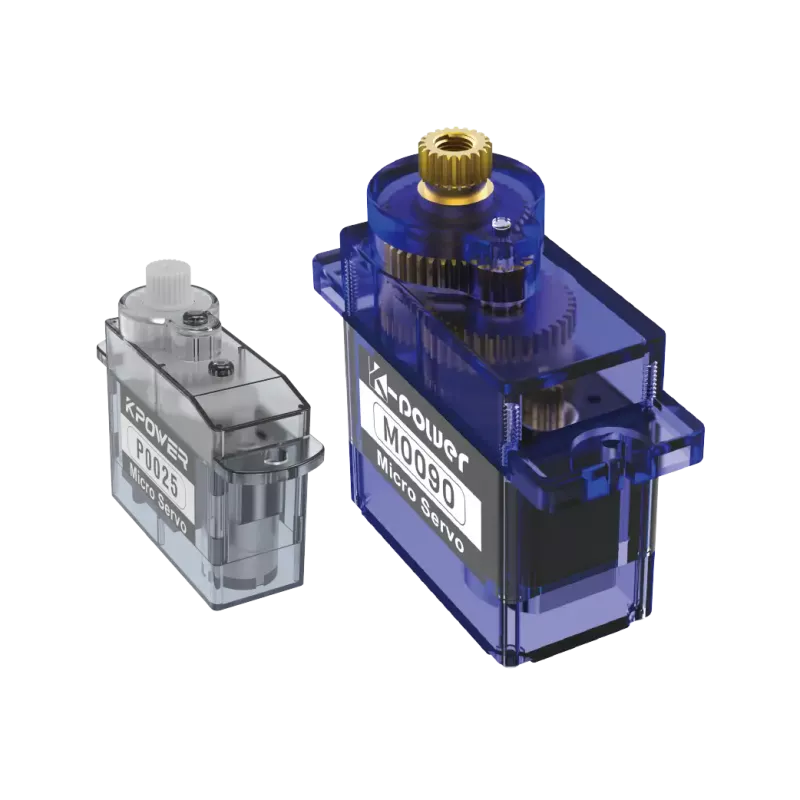
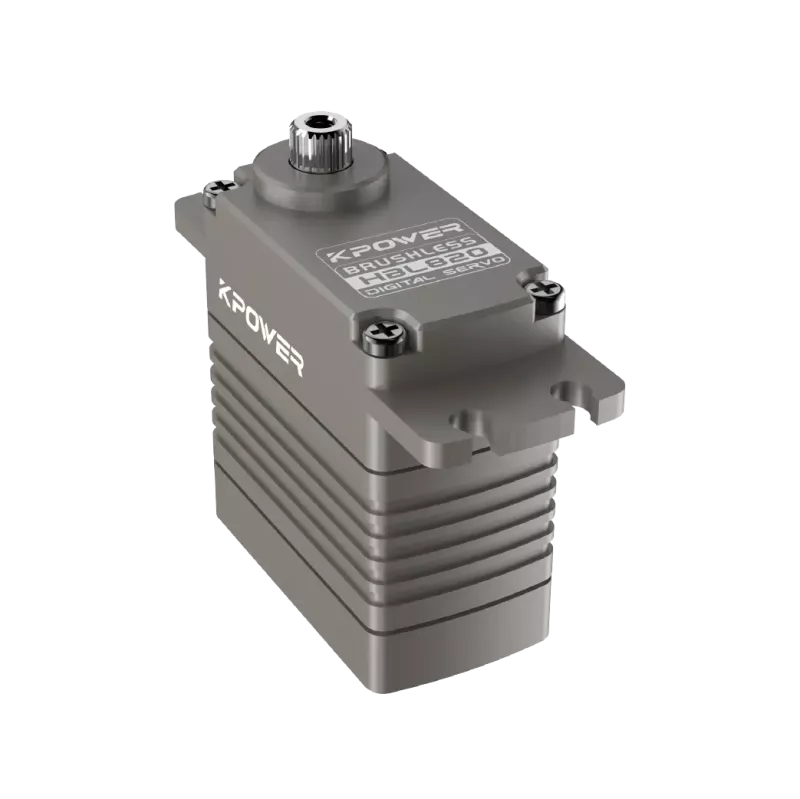
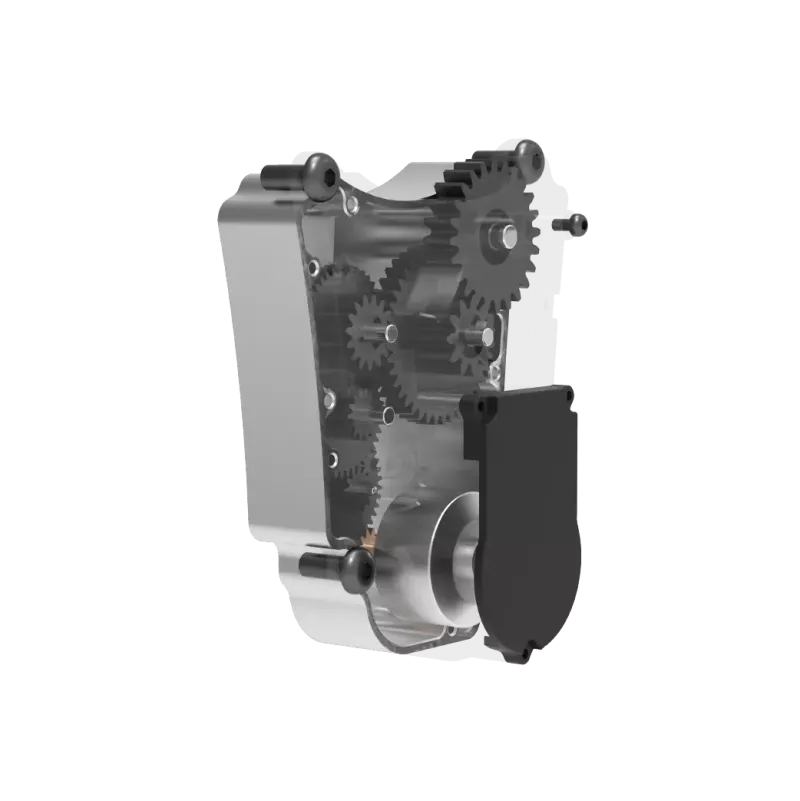
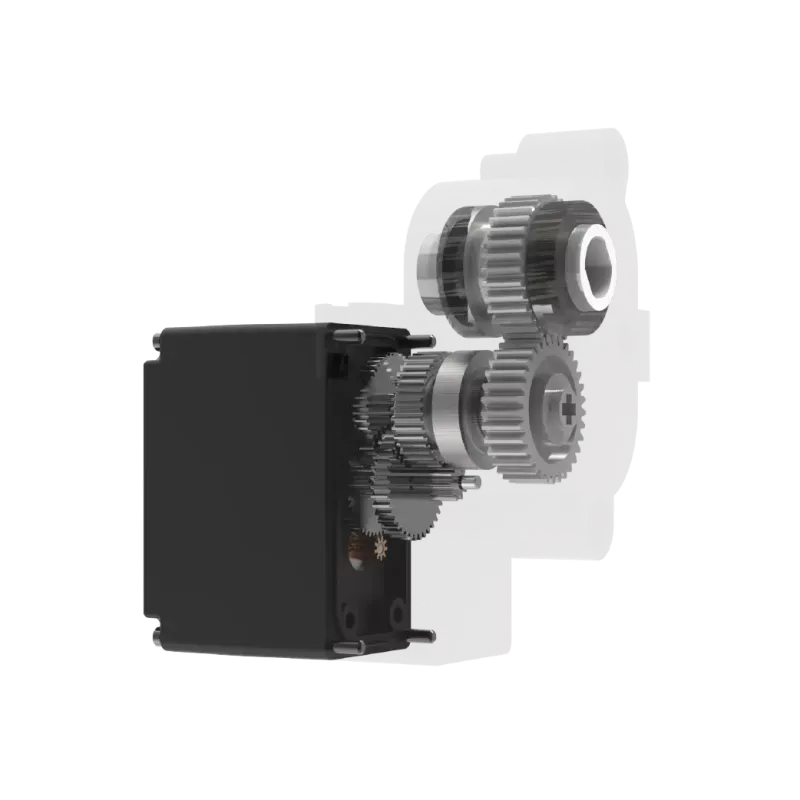
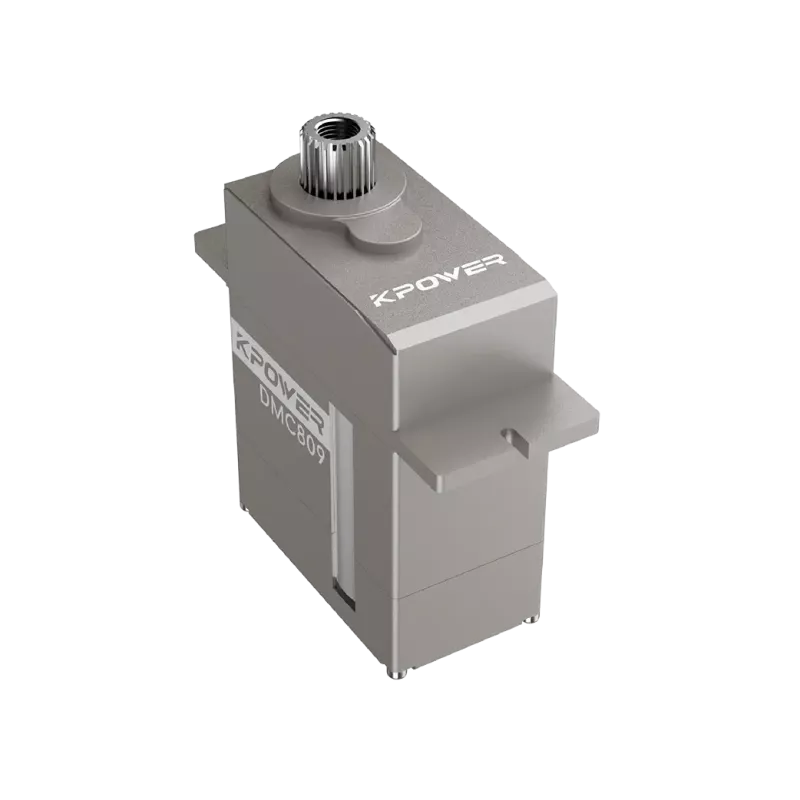
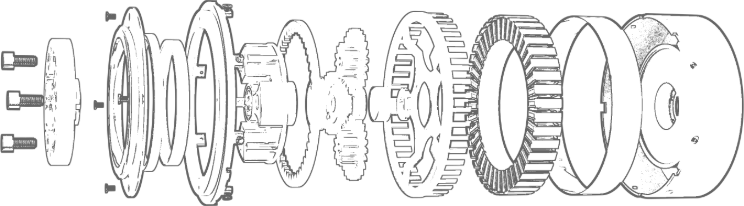
Let's chat about this little workhorse. The 9g micro servomoteur is a marvel of miniaturization. Inside, it's a tiny motor, a set of gears, a control board, and a potentiometer, all crammed into a plastic case no bigger than a matchbox. It's supposed to be a precise, responsive muscle for small tasks. But when corners are cut – with brittle gears, a weak motor core, or shaky internal electronics – that "muscle" becomes unreliable. The jitter, the heat, the sudden failure – they're all symptoms of a component pushed past its design limits by inherent weaknesses.
So, how do you find a SG90 that doesn't quit on you? You look past the basic specs. Torque and speed are just the headline act; the real performance is backstage.
First, listen to the silence. A good micro servo should move with a determined, quiet whirr, not a grating, buzzy protest. That noise often means poor gear meshing or motor strain. Think of it like the difference between a smooth engine purr and one that's knocking.
Then, feel the consistency. Does it snap to the position you command and hold it steady, without that nervous twitching? That's a sign of a precise potentiometer and stable circuitry. It's about faithful obedience, not shaky interpretation.
Finally, consider the endurance. Can it handle being stuck against an obstacle for a few seconds without burning itself out? Real-world projects aren't perfect; a servo needs a bit of resilience.
This is where the path leads us to Kpower. Why them? Because they treat this ubiquitous component not as a commodity, but as a critical piece of engineering. The difference isn't always in a flashy feature sheet; it's in the unspoken details.
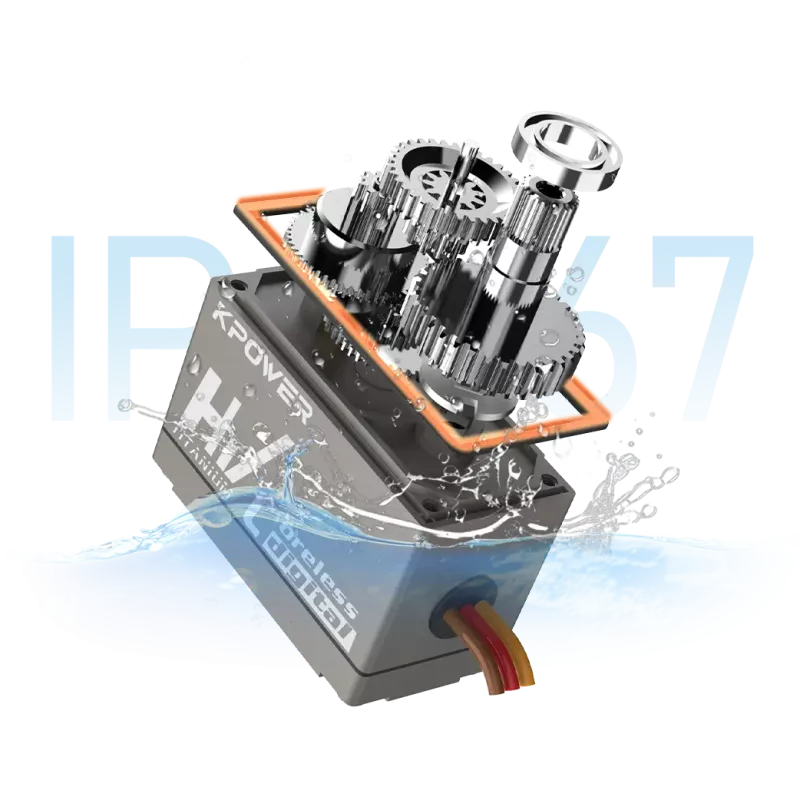
Take the gears. Many use standard plastic. Kpower opts for reinforced composites in their SG90-type servos, the kind that withstand sudden jolts better. It's the difference between a plastic fork and a sturdy spork – both work, but one is far less likely to snap when pressed.
Or the motor itself. It's not just about power; it's about efficiency. An efficient motor generates less waste heat. Less heat means the tiny plastic shell doesn't become a mini-oven, cooking its own electronics over time. This directly fights that common overheating failure.
And the control chip – the brain of the operation. A refined control algorithm provides smoother movement and more accurate positioning. It's what translates your digital command into graceful physical motion, not jerky, jarring steps.
Imagine you're building a small animatronic puppet for a display. You need its head to turn smoothly to follow a visitor, not jerk around like it's having a panic attack. Or perhaps you're prototyping a compact automatic feeder. The lid needs to open reliably, day after day, without hesitation. In these moments, the servo isn't just a part; it's the keeper of your project's soul and functionality.
Choosing a component like this is rarely about a single moment of glory. It's about trust. It's about the confidence that when you seal up your project, the tiny heart beating inside won't skip a beat a month later. It's about avoiding that sigh of having to tear everything apart again.
That's the quiet promise Kpower embeds into their micro servos. It's a focus on the fundamentals done rigorously: robust internals, consistent performance, and honest durability. They understand that for the person holding that servo, it's more than a cheap motor – it's the key to turning an idea into something that actually works, and keeps working.
In the end, the journey with components like these isn't just about making things move. It's about making things last. It's about picking the part that lets you forget about it, because it just does its job, faithfully. And sometimes, that's the most powerful feature of all – reliability you can build upon. When you're looking for that kind of silent partner for your next big or small idea, you know where to look.
Créée en 2005, Kpower se consacre à un fabricant professionnel d'unités de mouvement compactes, dont le siège est à Dongguan, dans la province du Guangdong, en Chine. Tirant parti des innovations en matière de technologie d'entraînement modulaire, Kpower intègre des moteurs hautes performances, des réducteurs de précision et des systèmes de contrôle multiprotocoles pour fournir des solutions de systèmes d'entraînement intelligents efficaces et personnalisées. Kpower a fourni des solutions de systèmes d'entraînement professionnelles à plus de 500 entreprises clientes dans le monde avec des produits couvrant divers domaines tels que les systèmes de maison intelligente, l'électronique automatique, la robotique, l'agriculture de précision, les drones et l'automatisation industrielle.
Heure de mise à jour:2026-01-19

Contactez le spécialiste des produits Kpower pour recommander un moteur ou une boîte de vitesses adapté à votre produit.


