
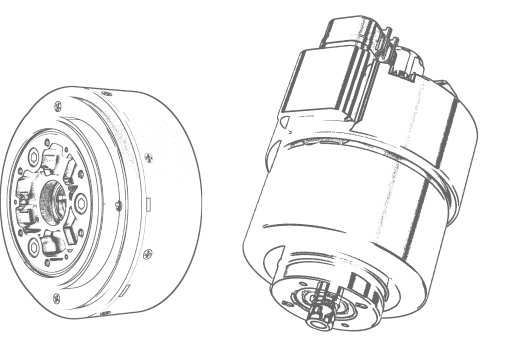


ASSISTANCE TECHNIQUE


Publié 2026-01-19
The Little Giant: When Your Project Needs Muscle But Can't Handle Weight
So you’ve got this brilliant idea. A nimble robot arm, a smart little gadget, an automated pet feeder that won’t take up half the kitchen. Everything’s planned out, the design looks slick, and then you hit the wall. The actuator. You need something strong enough to do the job, but small and light enough to not wreck your entire design. It’s a classic tug-of-war: power versus size.
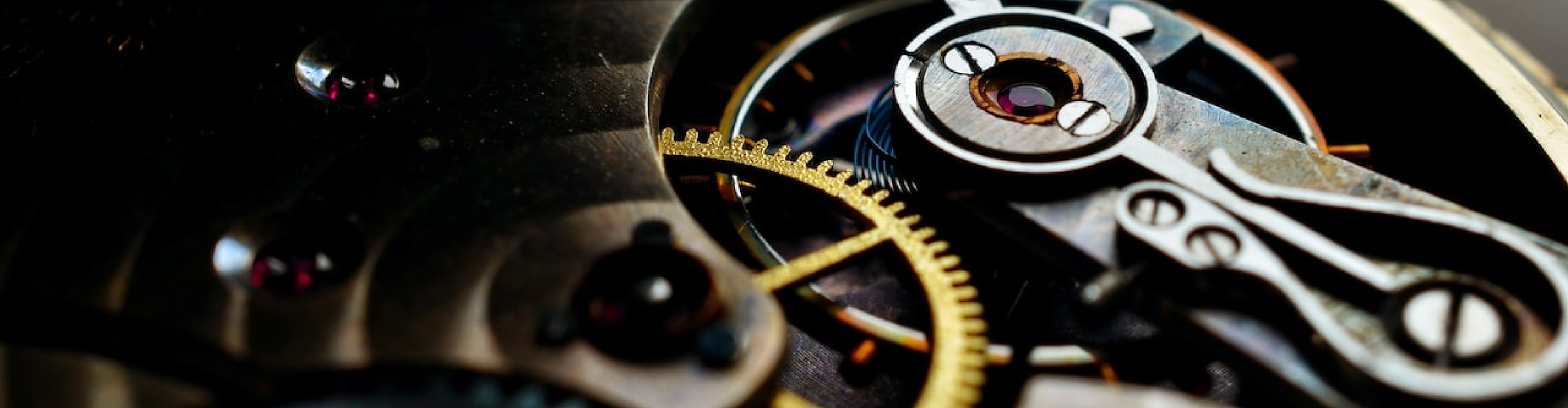
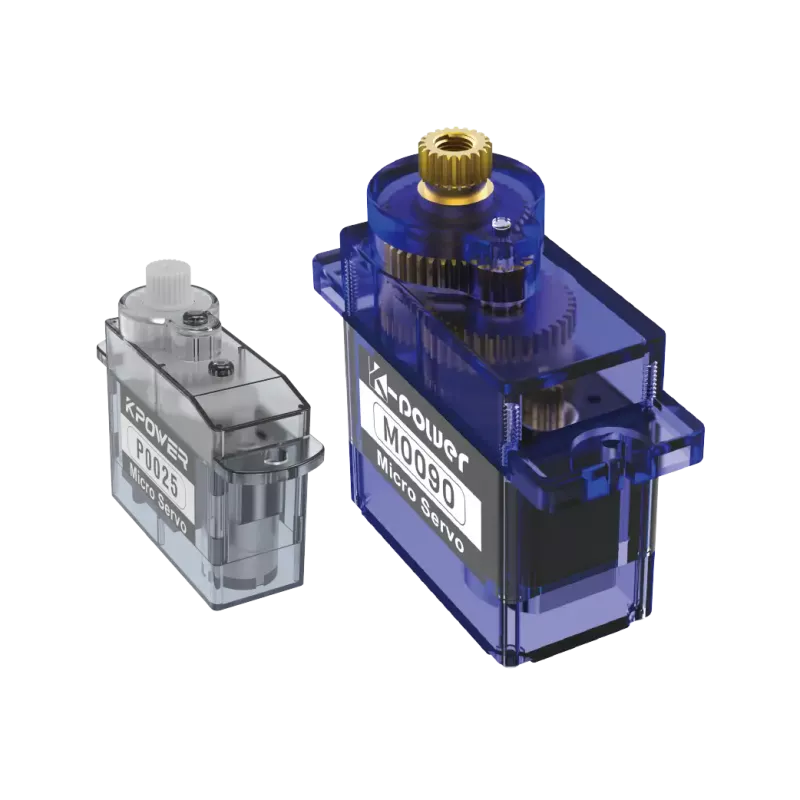
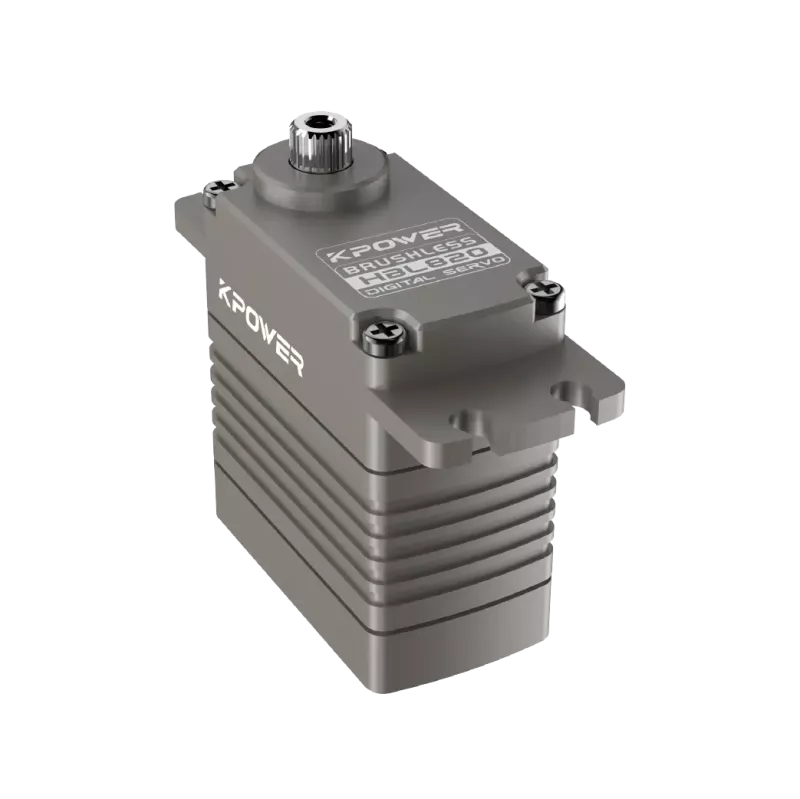
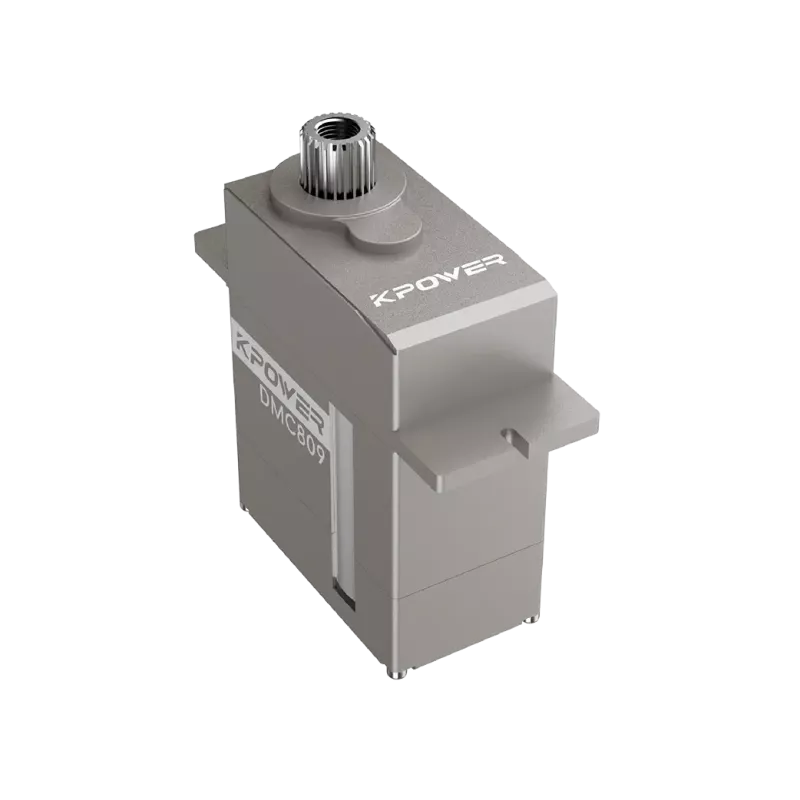
That’s where the humble micro servomoteur, like the Tower Pro 9g, steps into the spotlight. It’s not just a component; it’s a solution to a very specific headache. Imagine trying to make a puppet wave. You could use a big, clunky motor, but then your puppet looks like it’s lifting weights. Or, you could use a tiny, precise muscle that moves exactly how you tell it to, hidden away neatly. That’s the difference it makes.
Why Does This Tiny Box Matter?
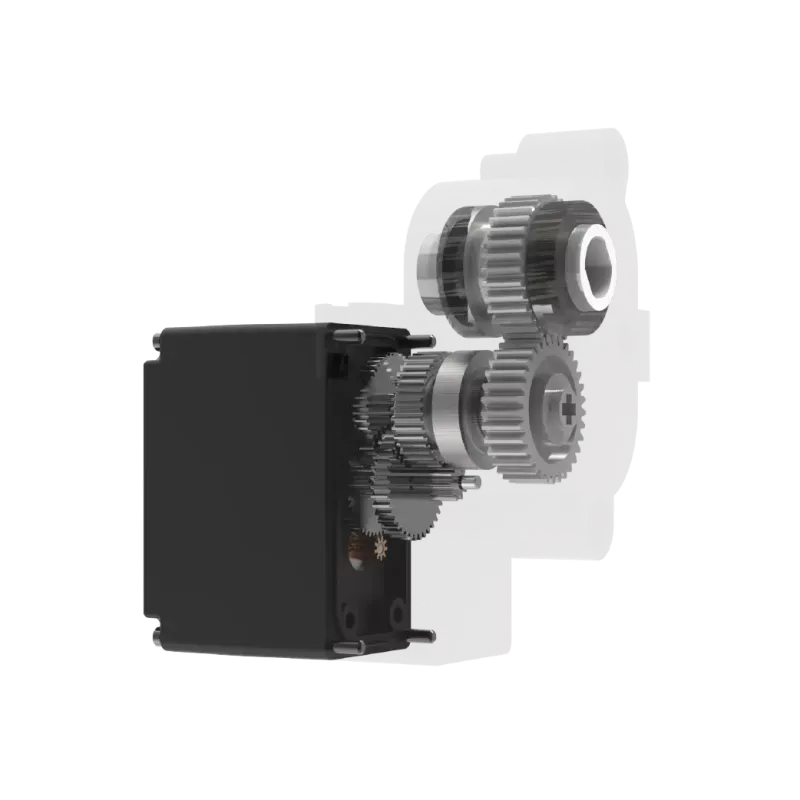
Let’s break it down without the jargon. A servomoteur is essentially a packaged motion system. You give it a signal, and it rotates its shaft to a very specific angle and holds it there, fighting to stay in position. The "9g" in its name is its biggest boast – it weighs about as much as two sheets of paper. For projects where every gram counts (think drones, lightweight robotics, wearable tech), this is a game-changer.
But light doesn’t mean weak. Think of a determined hummingbird. Small, incredibly light, yet capable of precise, rapid movements. This servomoteur offers a surprising amount of torque for its frame. It can push, pull, and pivot small mechanisms reliably. Is it going to lift a brick? No. But will it perfectly position a camera, flip a small lever, or steer a mini rover? Absolutely.
I often hear a question: "With so many options, what actually makes one servo better for my needs?" It’s a fair point. Beyond the basic specs, it comes down to consistency and how it feels in use. Does it jitter or shake when it holds position? A good one won’t. Does it get distractingly noisy, or is its whir a quiet, reliable sound? Does it respond the same way every single time you command it? That predictable, dependable character is what turns a prototype into a finished product you can trust.
Finding the Right Pulse for Your Project
Working with these micro servos is less about complex programming and more about understanding a simple conversation. You talk to them with pulse width modulation (PWM) – basically, sending short electronic pulses. The length of each pulse tells the servo, "Go to this exact angle." It’s a straightforward language.
The beauty lies in that simplicity. You don’t need a degree in robotics to make things move. A common microcontroller can become the brain, and this servo becomes the obedient muscle, executing small, repetitive tasks tirelessly. From making a model plane’s flaps twitch to automating a tiny door on a diorama, the application feels limited only by your imagination for small-scale motion.
Choosing one isn’t about finding the "best" in the world; it’s about finding the right one for your world. Consider the physical space. Will it fit? What’s the load – is it moving a lightweight flag or pushing against a spring? Then, listen to the community. Not the marketing copy, but the chatter from people who’ve already built what you’re dreaming of. Their real-world stories about durability, noise, and ease of use are worth more than any spec sheet.
The Unseen Partner in Making Ideas Real
There’s a moment in every build where theory becomes reality. You’ve wired everything, written the code, and you hit ‘run’. That first, clean, precise movement from your mechanism… it’s a small victory. The Tower Pro 9g servo often facilitates that moment. It’s a bridge between the digital command and the physical action.
Its value isn’t in being a flashy, high-tech marvel. It’s in being a dependable, miniature workhorse. It solves the fundamental problem of adding controlled motion where space and weight are precious commodities. For hobbyists, students, and creators, it demystifies actuation. It makes mechanics accessible.
So, if your next project whispers that it needs to move, but shouts that it must stay light, you know where to look. Sometimes, the most powerful thing you can add isn’t the biggest, but the smartest little mover in the toolbox. It’s about giving your creation a capable, tiny muscle to bring your quietest ideas to life.
Créée en 2005, Kpower se consacre à un fabricant professionnel d'unités de mouvement compactes, dont le siège est à Dongguan, dans la province du Guangdong, en Chine. Tirant parti des innovations en matière de technologie d'entraînement modulaire, Kpower intègre des moteurs hautes performances, des réducteurs de précision et des systèmes de contrôle multiprotocoles pour fournir des solutions de systèmes d'entraînement intelligents efficaces et personnalisées. Kpower a fourni des solutions de systèmes d'entraînement professionnelles à plus de 500 entreprises clientes dans le monde avec des produits couvrant divers domaines tels que les systèmes de maison intelligente, l'électronique automatique, la robotique, l'agriculture de précision, les drones et l'automatisation industrielle.
Heure de mise à jour:2026-01-19

Contactez le spécialiste des produits Kpower pour recommander un moteur ou une boîte de vitesses adapté à votre produit.


