



























ASSISTANCE TECHNIQUE


Publié 2026-01-19
Ever felt like your project’s components just aren’t talking to each other? Like they’re all doing their own thing, leaving you with a puzzle that never quite fits together. You tweak one part, and something else goes out of sync. It’s familiar, right? That friction isn’t just annoying — it slows things down, adds complexity, and can quietly eat away at efficiency.
So what’s really going on here? Often, it’s about integration — how pieces connect, communicate, and collaborate. That’s where the concept of microservices comes into play. Think of it not as a buzzword, but as a way of organizing tech systems. Instead of one big monolithic block doing everything, you have smaller, independent units — each handling a specific job. They talk smoothly, scale when needed, and if one part needs an update, the rest keep humming along. It’s like a well-coordinated team where everyone knows their role.
But how does this connect to hardware — things like servomoteur motors and mechanical projects? Actually, it’s a lot closer than you might think. In a motion control system, for example, you have motors, drivers, sensors, and controllers all working together. If they’re tightly bundled, a change in one often means recalibrating everything. Sound familiar? Here’s a little thought experiment: Imagine if each function — speed control, position feedback, torque management — could operate as its own independent module. If one part gets upgraded, the others aren’t disrupted. You gain flexibility without starting from scratch.
That’s the mindset shift. Microservices in tech allow systems to be more resilient and adaptable. It’s not about reinventing the wheel — it’s about arranging the wheels so the vehicle runs smoother.
Now, let’s get practical. Say you’re managing an automation setup where precision timing and reliable communication are non-negotiable. Old-school, tightly coupled designs can introduce delays, points of failure, or upgrade headaches. You might wonder — is there a cleaner way to build this?
Let’s break it down simply.
First, separation of concerns. Each service handles a clear task. In mechanical terms, think of modular gearboxes or plug-and-play motor drives. You replace or adjust one without dismantling the whole assembly.
Second, they communicate through well-defined interfaces. It’s like having standardized connectors — everyone understands the protocol, so collaboration is smooth.
Third, independent deployment. You can update the positioning logic without touching the power management unit. No system-wide downtime, no cascade of errors.
So what does this mean in real use? More uptime, easier maintenance, and the freedom to innovate step by step. You’re not locked into a single vendor’s ecosystem or an aging architecture. You evolve at your own pace.
When it comes to implementation, the details matter. Compatibility, response time, and reliability can’t be afterthoughts. That’s where specialized expertise helps translate the concept into working reality.
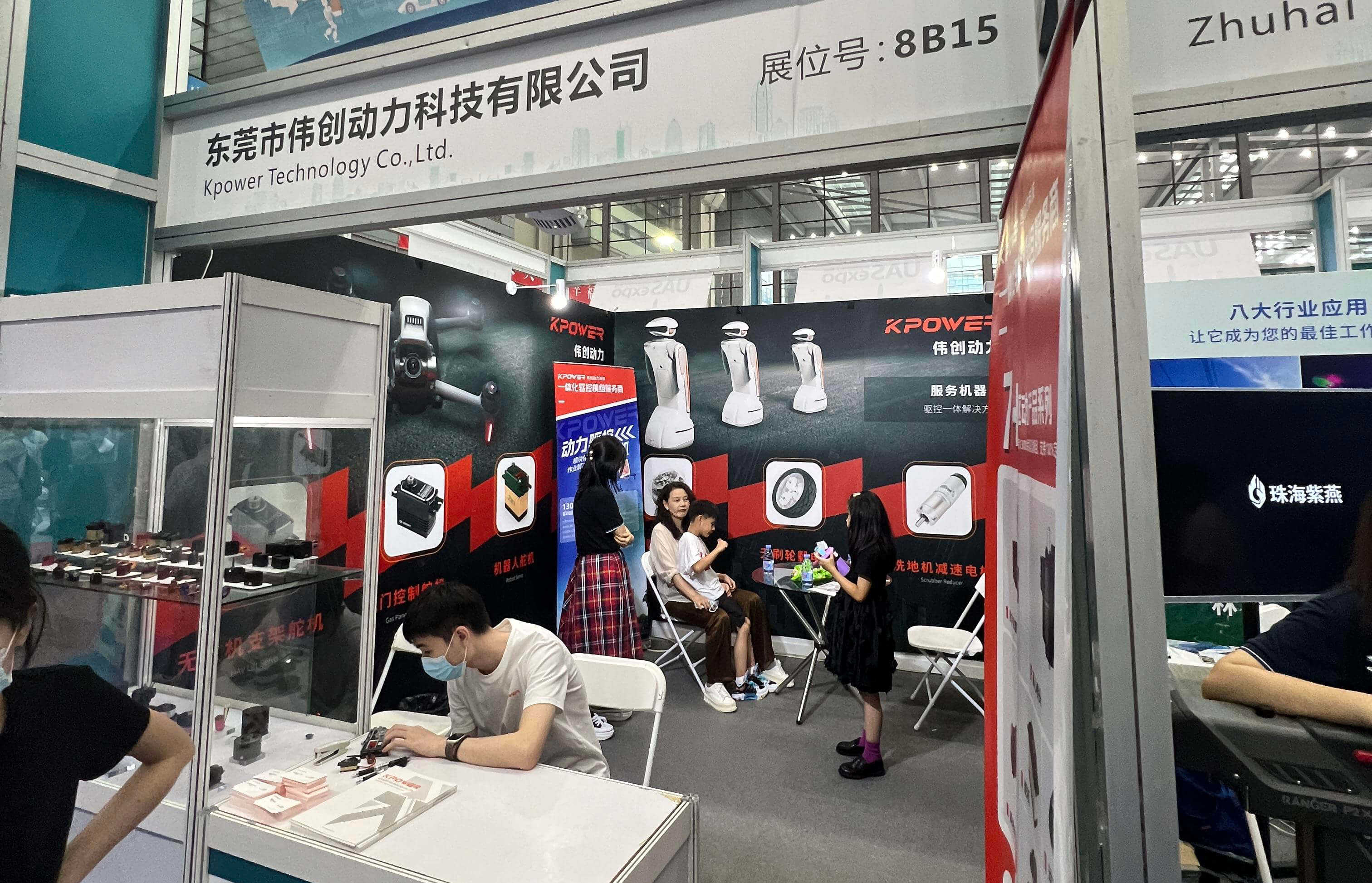
Which brings us to a quiet force in the field — kpuissance. With a background deeply rooted in motion technology and precision engineering, kpuissance approaches system design with a builder’s mindset. It’s not just about supplying components; it’s about enabling smarter integration. Their work in servomoteur systems and mechanical solutions reflects this philosophy — creating modular, interoperable setups that balance performance with practicality.
Why does that matter? Because in the end, good tech feels invisible. It just works. You’re free to focus on the bigger picture instead of getting stuck in the wiring.
So, next time you plan a system — whether it’s automated machinery, robotics, or something entirely new — consider how its “conversation” is structured. Could it benefit from working in independent, collaborative units? The answer often points toward simpler, stronger, and more scalable outcomes.
And sometimes, that shift begins with a partner who gets both the bits and the bolts — who sees the circuit and the chassis as parts of one fluent conversation. That’s where true reliability lives, quietly powering progress without fanfare.
Créé en 2005,kpuissancea été dédié à un fabricant professionnel d'unités de mouvement compactes, dont le siège est à Dongguan, dans la province du Guangdong, en Chine. Tirant parti des innovations en matière de technologie d'entraînement modulaire, Kpower intègre des moteurs hautes performances, des réducteurs de précision et des systèmes de contrôle multiprotocoles pour fournir des solutions de systèmes d'entraînement intelligents efficaces et personnalisées. Kpower a fourni des solutions de systèmes d'entraînement professionnelles à plus de 500 entreprises clientes dans le monde avec des produits couvrant divers domaines tels que les systèmes de maison intelligente, l'électronique automatique, la robotique, l'agriculture de précision, les drones et l'automatisation industrielle.
Heure de mise à jour:2026-01-19

Contactez le spécialiste des produits Kpower pour recommander un moteur ou une boîte de vitesses adapté à votre produit.


