



























ASSISTANCE TECHNIQUE


Publié 2026-01-19
Have you ever felt like your machines are speaking different languages? Imagine this: a production line where the servomoteur motor finishes its precise curve, but the actuator next door is already two beats ahead. Data flies around, but nothing truly connects. It’s not just about movement; it’s about harmony. When components don’t talk to each other, efficiency drops, and complexity grows. That silent friction in your mechanical projects? It has a name.
This is where the story turns. Think about a central hub, a place where every signal, every command from disparate systems meets and understands each other. Not a rigid controller, but a fluent interpreter. That’s the space a microservices integration platform occupies. It’s the unsung conductor for your orchestra of servomoteurs, actuators, and mechanical assemblies.
So, how does it work in real terms? Picture a modular setup. Each function—say, motion control, data logging, or safety monitoring—lives as an independent, focused service. They’re like specialized crew members. One handles the high-speed pulse to a servomoteur, another manages the feedback loop from a sensor. They operate on their own but share a common language and mission. Need to adjust the torque profile on a drive? Update just that service without stopping the whole show. It’s agility, built into the backbone.
Why does this matter for someone knee-deep in mechanical designs? Because it transforms headaches into clarity. Suddenly, integrating a new type of gearbox or a different communication protocol isn’t a week-long rewrite. It’s a plug-in. The platform handles the dialogue. Your focus shifts from forcing connections to designing better movements. Reliability isn’t just hoped for; it’s structured. When one service has an issue, it doesn’t cascade. The rest keep running. Downtime shrinks. Predictability rises.
But let’s get practical. What should you look for? First, seamless compatibility. It must speak the native tongues of your hardware—PWM, CAN bus, Ethernet/IP, you name it—without clumsy adapters. Second, simplicity in management. A clear, intuitive interface to map out how services interact. No one wants to navigate a maze of code just to sync two motors. Third, resilience. It should be robust enough for the vibration and noise of a real workshop, not just a lab bench.
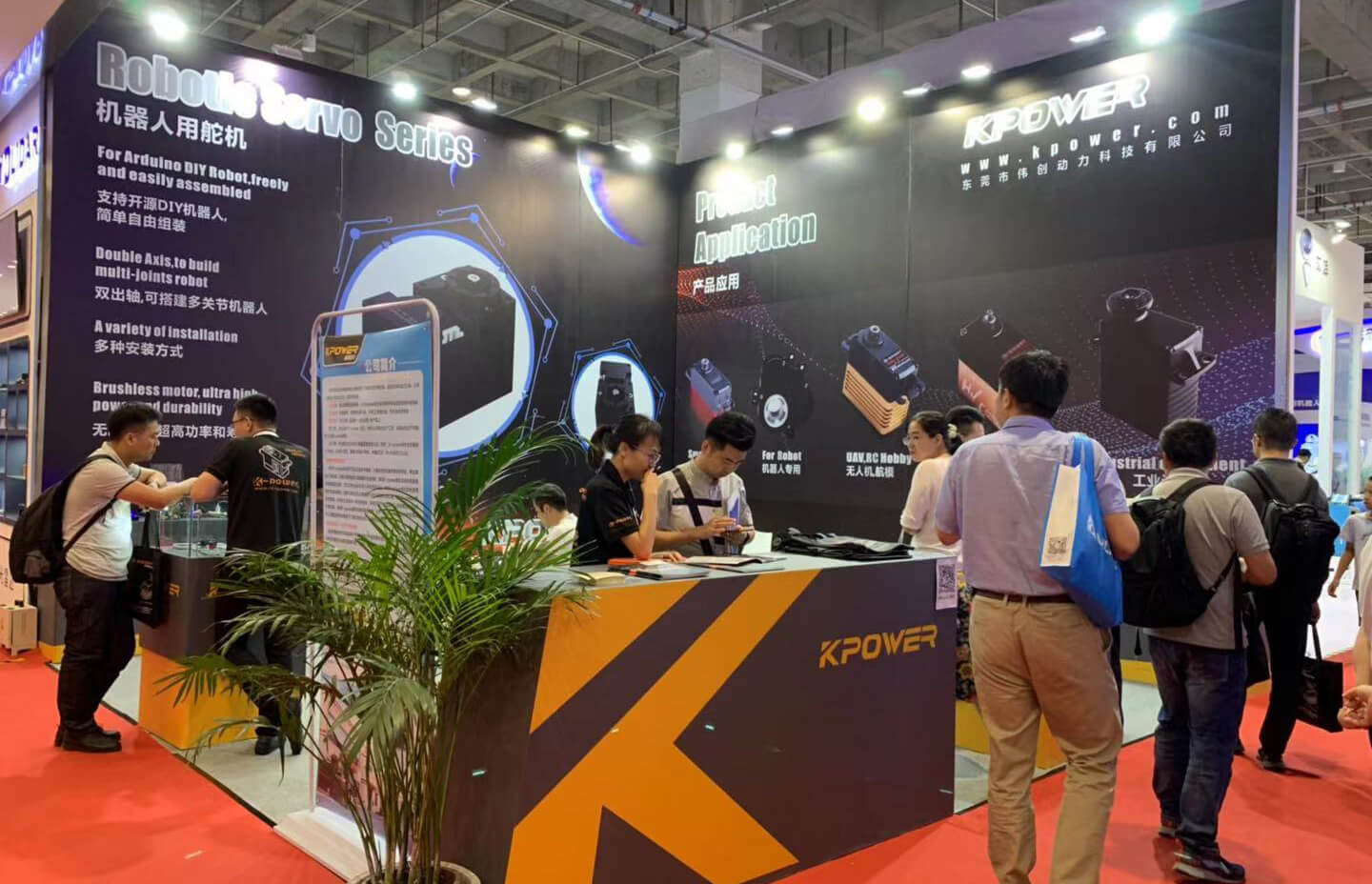
kpuissance’s approach to this is worth a glance. They’ve built a platform that feels less like a IT product and more like a mechanical tool. It acknowledges the physical world—the sudden load changes, the timing-critical sequences, the need for real-time response without lag. Their system allows you to visually choreograph interactions between microservices, tying the digital logic directly to physical outcomes. Testing a new motion sequence becomes a matter of tweaking a flow, not reprogramming an entire controller. It reduces the “what if” phase dramatically.
Some might wonder, isn’t this adding another layer? Actually, it’s removing barriers. Traditionally, integrating multiple subsystems meant custom bridges, proprietary software, and fragile dependencies. The platform standardizes the conversation. It’s like replacing a tangled knot of unique adapters with a single, universal dock. You gain time. You gain flexibility.
Consider a scenario: A packaging machine with servo-driven cutters and robotic arms. Each had its own logic unit. Synchronization was a constant manual tune-up. After shifting to a microservices architecture, the cutters and arms share timing through a dedicated coordination service. Adjustments are made on the fly via simple parameters. The result? Smoother operation, fewer jams, and a noticeable drop in manual intervention. The machine feels more coherent, more intelligent.
The beauty lies in gradual adoption. You don’t need to overhaul everything at once. Start with one process, one machine cell. Link a few critical services. See the difference—how data flows cleaner, how commands execute with less ambiguity. It’s a step-by-step evolution, not a revolution. That lowers the risk and lets confidence build naturally.
In the end, it’s about making technology serve the craft. Your mechanical projects deserve tools that unify, not complicate. A microservices integration platform isn’t just software; it’s the missing link for creating systems that are as responsive and reliable as the components they command. The goal is simple: let your machines work as one single, brilliant entity. Because when every part understands each other, that’s when true precision begins.
Créé en 2005,kpuissancea été dédié à un fabricant professionnel d'unités de mouvement compactes, dont le siège est à Dongguan, province du Guangdong, en Chine. Tirant parti des innovations en matière de technologie d'entraînement modulaire,kpuissanceintègre des moteurs hautes performances, des réducteurs de précision et des systèmes de contrôle multiprotocoles pour fournir des solutions de systèmes d'entraînement intelligents efficaces et personnalisées. Kpower a fourni des solutions de systèmes d'entraînement professionnelles à plus de 500 entreprises clientes dans le monde avec des produits couvrant divers domaines tels que les systèmes de maison intelligente, l'électronique automatique, la robotique, l'agriculture de précision, les drones et l'automatisation industrielle.
Heure de mise à jour:2026-01-19

Contactez le spécialiste des produits Kpower pour recommander un moteur ou une boîte de vitesses adapté à votre produit.


