



























ASSISTANCE TECHNIQUE


Publié 2026-01-19
When Machines Whisper: How kpuissance Bridges the Silent Gaps in Your Data Flow
Picture this: a robotic arm on the assembly line jerks, ever so slightly. A servomoteur motor in the packaging unit hesitates, just for a split second. Individually, they’re tiny hiccups. But together? They’re whispers of a bigger story—one where data gets stuck in silos, unable to travel where it’s needed most. In the world of motion control, where every servomoteur, every actuator, and every mechanical component must move in harmony, fragmented data is the unseen friction that slows everything down.
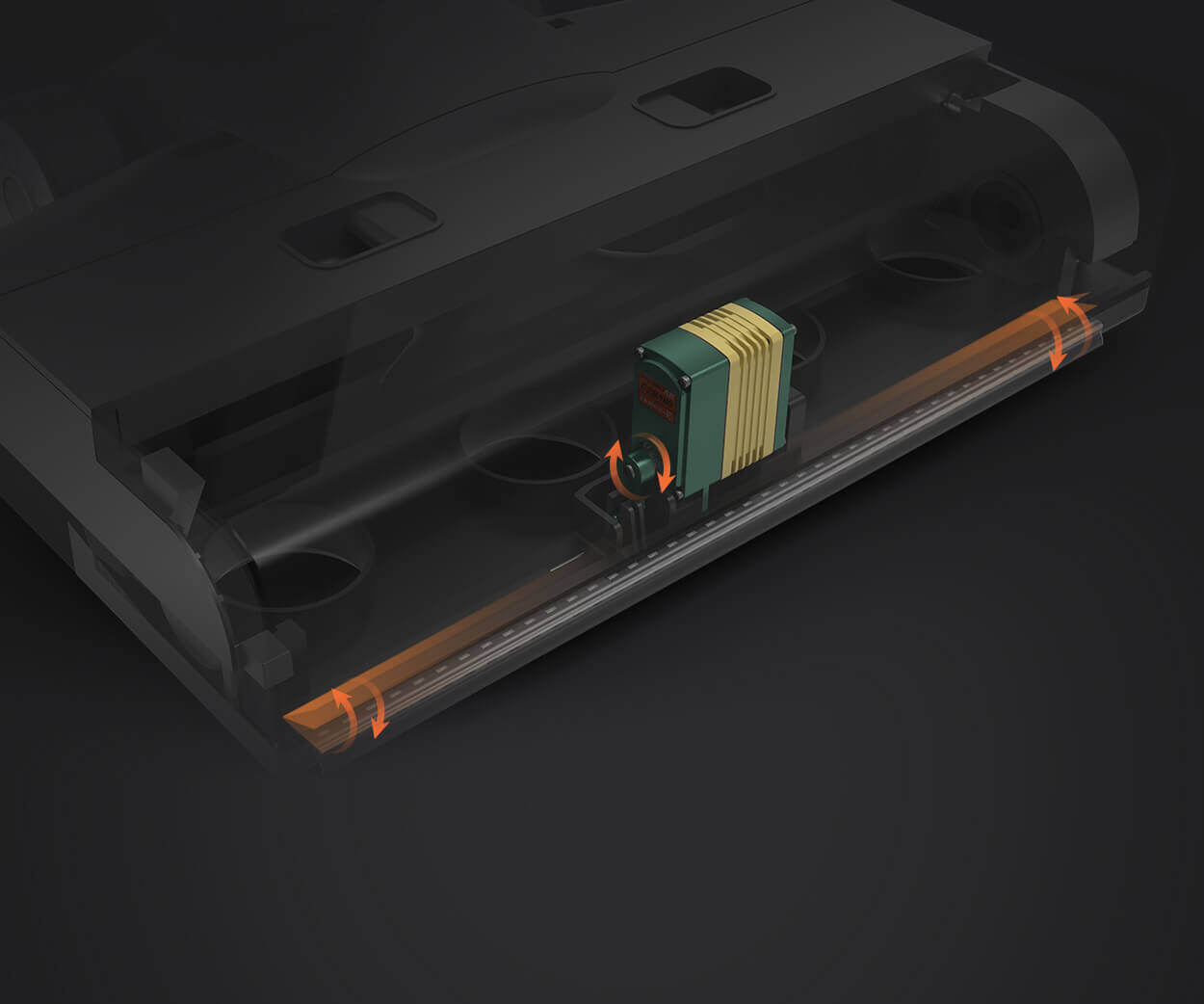
So, what happens when your servomoteur drive doesn’t fully “talk” to your monitoring system? Or when the feedback from a gearbox sits isolated in one corner of your network? Efficiency dips. Predictive maintenance becomes guesswork. Optimization feels like trying to solve a puzzle with half the pieces missing. That’s the silent struggle many face in integrating mechanical and digital realms.
kpuissance’s approach to microservices data sharing is like giving each component its own clear voice, while making sure they all sing from the same song sheet. It’s not about a central command barking orders. Instead, think of it as a well-rehearsed ensemble—each microservice, whether handling servo diagnostics, torque feedback, or vibration analysis, operates independently but shares its insights freely and instantly across the network. The result? The motion control system doesn’t just run; it communicates, adapts, and evolves.
Why does this matter on the shop floor? Let’s get tangible.
Imagine a high-speed pick-and-place application. With traditional setups, a lag in data exchange between the vision sensor and the servo controller might mean milliseconds of delay. Not much? In precision automation, it’s everything. With a microservices architecture tailored for data fluidity, that sensor’s detection instantly becomes the servo’s action. No waiting, no queuing. It’s like the mechanical system develops reflexes.
Someone might ask, “Isn’t this just fancy networking?” Well, consider how you spot a worn-out bearing before it fails. Usually, you’d rely on scheduled checks or obvious warning signs. But with data flowing seamlessly from multiple points—motor current, temperature logs, vibration profiles—anomalies become visible patterns. The system itself nudges you with a heads-up, not an alarm after the fact. It’s proactive care, baked into the design.
kpuissance’s framework makes this layered conversation simple. Each service—be it for condition monitoring, performance logging, or command relay—is lightweight and focused. They’re like specialized mechanics in a pit crew, each doing their job while constantly passing along critical notes. The servo’s real-time load data can inform the cooling unit. The positional feedback from a linear actuator can adjust the trajectory of the next module. This isn’t magic; it’s deliberate, rational design that respects the complexity of machines.
But ease doesn’t mean oversimplification. The architecture is built for resilience. If one service needs an update or hits a snag, the rest keep chatting. The show goes on. That’s crucial when downtime isn’t an option. You’re not building a monolithic block where one crack affects the whole structure. You’re weaving a resilient mesh.
Adopting this isn’t about ripping and replacing. It often starts with a single, talkative component—say, a smart servo drive from Kpower that begins sharing its health and performance metrics openly. Then another joins the conversation. Soon, the entire line is exchanging insights, quietly optimizing itself. The beauty is in the gradual, organic growth.
In the end, the goal is unity. A machine where every mechanical pulse and digital signal is part of a flowing narrative. No more data trapped in lonely outposts. Just clear, continuous dialogue that turns isolated movements into a symphony of motion. Kpower’s microservices data sharing examples illustrate that the future of motion control isn’t just about stronger parts, but smarter conversations between them. And that’s how you turn those faint mechanical whispers into a clear, compelling story of performance.
Créée en 2005, Kpower se consacre à un fabricant professionnel d'unités de mouvement compactes, dont le siège est à Dongguan, dans la province du Guangdong, en Chine. Tirant parti des innovations en matière de technologie d'entraînement modulaire, Kpower intègre des moteurs hautes performances, des réducteurs de précision et des systèmes de contrôle multiprotocoles pour fournir des solutions de systèmes d'entraînement intelligents efficaces et personnalisées. Kpower a fourni des solutions de systèmes d'entraînement professionnelles à plus de 500 entreprises clientes dans le monde avec des produits couvrant divers domaines tels que les systèmes de maison intelligente, l'électronique automatique, la robotique, l'agriculture de précision, les drones et l'automatisation industrielle.
Heure de mise à jour:2026-01-19

Contactez le spécialiste des produits Kpower pour recommander un moteur ou une boîte de vitesses adapté à votre produit.


